This is the first of a monthly series throughout 2026 which aims to celebrate and value the wildlife that lives among us in South Leeds.
Despite living in a very built up and urbanised part of the city, there are still a surprisingly diverse number of birds, animals, trees and plants to enjoy and appreciate, in every season, if we just take the time to notice.
It is January 2026. The Christmas festivities are over. The weather and the landscape around us is persistently wet, cold and colourless. We are past winter solstice at least, but it feels a long way to go before spring with its daffodils and lighter evenings and it can be hard at times to keep the blues away.
Nature has mostly been slowing down and hibernating, a lesson we could learn from in the hectic busyness in the lead up to Christmas for many of us. Perhaps this month is a moment in the year to get back into rhythm with the season? Take time to slow down, rest and embrace the darker, quieter days. New life, new events, colour and vibrancy will return soon.
Already you will begin to notice, the green shoots of snowdrops and crocuses emerging in parks and gardens. When I’m doing the morning school run and sat in the traffic jam on Beeston Road, looking to the right, next to the entrance of Cross Flatts Park, you will see a carpet of green shoots poking through the grass which will soon emerge into a dappling display of white and purple crocus flowers to brighten up a corner of the park. It reminds me that brighter days are coming.
Not all of nature is sleepy. Plenty of birds are still around and busy as ever. It’s a tough period coming up for many of our local birds as food sources become scarce over the coming weeks, so if you can give them a helping hand by hanging up a bird feeder and regularly topping it up with seeds, then they will come.
You will be surprised at the variety of species that come and drop by your feeder, even in inner city Leeds (I recently had a blackcap visit my bird feeder).
The hawthorn bushes, such as the ones that make up the hedgerows lining the path into Middleton park from the Gipsy Lane entrance, have kept the sparrows, great tits, blue tits, goldfinches, long-tailed tits, coal tits, blackbirds, thrushes and redwings going through the winter so far with their burgundy berries (called haws) that are rich in energy and antioxidants.
I walked up this path a few weeks ago and was confronted with a racket of chirping and cheeping sounds emanating from the hawthorn bushes. An oasis of life in a winter desert. These bushes are hugely valuable for our local wildlife and can be found in pockets of scrub, ginnels and back gardens all around South Leeds.
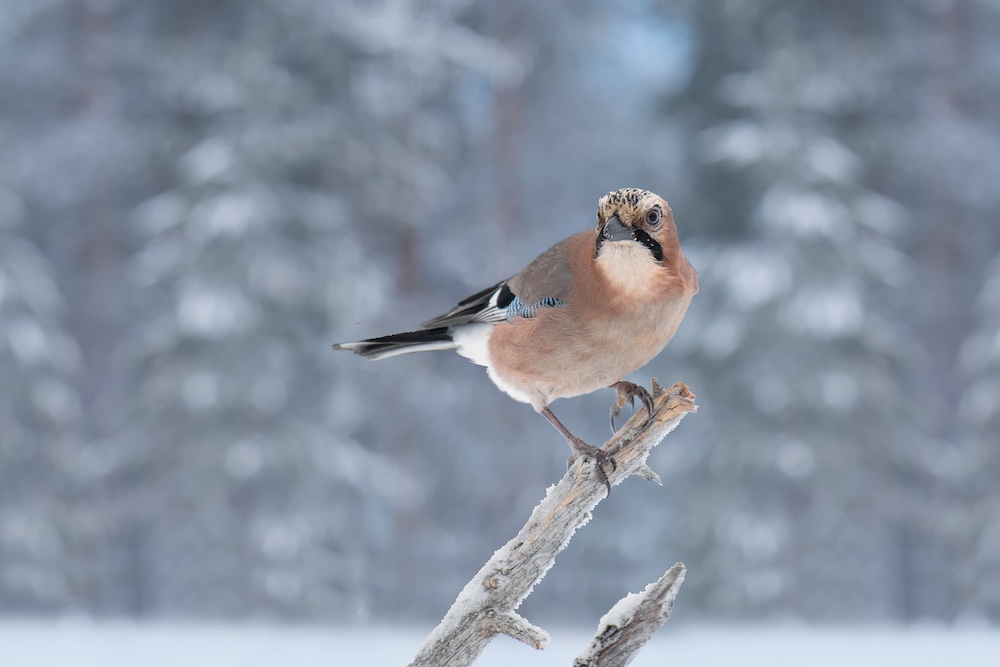
The benefit of having no leaves on the trees means that birds are easier to spot at this time of year. Following on from the Gipsy Lane path, this quieter side of Middleton park, that stretches from Cockburn school along to John Charles centre, is also where you will be able to see pairings of Jays passing between the ancient oak trees.
These colourful members of the crow family are one of my favourite with their pinky orange colourings and a flash of blue sparkle on the wing. In winter they are living off the hundreds of acorns they buried from the surrounding oak trees earlier in the year. With so many acorns and so many hiding places, not all acorns are consumed and so some will eventually grow into the next generation of oak trees. Jays therefore play an essential role in maintaining our precious remaining woodland areas and our national tree.
So, despite the cold and the damp, I encourage you to wrap up and get outside this January, visit your local park, walk along a stretch of the river Aire, put out a feeder next to your kitchen window or just find a nearby tree or patch of open space and take time to observe, touch and appreciate your local wildlife neighbours and the roles each animal, bird, tree, bush or even insect plays in shaping the landscape where we live. I promise you it will do you good.
This post was written by Duncan Wells, who lives in Beeston with his family. He has a keen interest in wildlife and volunteers for the RSPB.
While you’re here, can we ask a favour?
South Leeds Life is published by a not-for-profit social enterprise. We keep our costs as low as possible but we’ve been hit by increases in the print costs for our monthly newspaper which have doubled in the last two years.
Could you help support local community news by making a one off donation, or even better taking out a supporters subscription?
Donate here, or sign up for a subscription at bit.ly/SLLsubscribe