Hundreds of electric buses in Britain could be remotely switched off by China using an inbuilt ‘kill switch’, British security services have found.
An investigation by the Department for Transport and the National Cyber Security Centre (NCSC) found the Chinese government could shut down buses travelling along British roads.
Concerns were first raised in Norway that Chinese Yutong electric buses could be ‘stopped or rendered inoperable by the manufacturer’ by turning off the batteries.
Onboard SIM cards give the buses internet connection, which is intended to allow software updates.
However, security experts have now unearthed that these could act as a backdoor for meddling by Beijing.
The NCSC was called in to scrutinise the Yutong buses in British fleets, and their investigation confirmed Norwegian reports that it is ‘technically possible’ for the vehicles to be remotely shut down from China.
Around 700 Yutong buses currently operate on Britain’s roads, with well-known providers Stagecoach and First Bus thought to each own more than 200 of the vehicles.
Labour’s push to slash public transport carbon emissions has seen their numbers increasing – even since the whistle was blown in Norway.
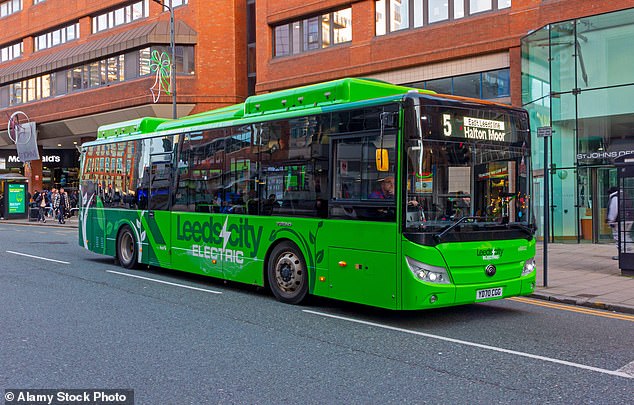
Around 700 Yutong buses are operating on Britain’s roads – including this one in Leeds City Centre
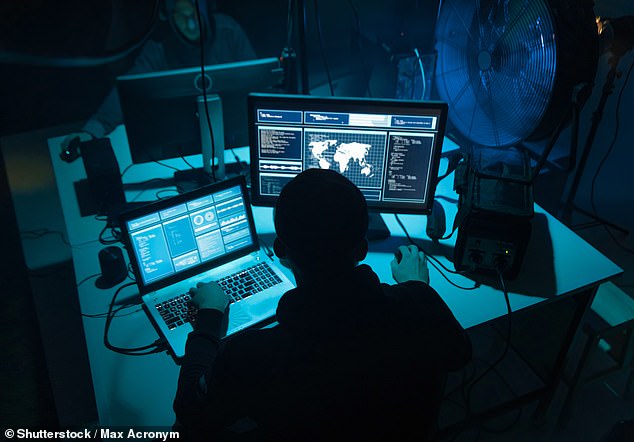
The UK’s National Cyber Security Centre (NCSC) has confirmed that China could ‘technically’ switch off the buses remotely (stock image)
Nottingham City Council said last month it had replaced its entire fleet of single-decker buses with Yutong models, and has plans to do the same with all its double-deckers by the end of the year.
Despite the worrying revelation, ministers are unable to block the sale of compromised buses to Britain because there is no concrete evidence of Chinese meddling, according to Whitehall sources speaking to the Telegraph.
There are concerns that banning them without any evidence of malpractice would put further test already strained diplomatic relations with Beijing.
A source familiar with the investigation told the paper: ‘They haven’t found any evidence that it has actually happened.
‘And there are wider considerations at play about how we deal with China, of which this is only a small part.’
Neither are there any plans to follow Norway’s lead and place a security warning on the buses, although the NCSC will continue to monitor ongoing investigations into Yutong buses in other countries.
Government security experts reportedly do not believe there is any real danger of the buses being shutdown – and investigators do not believe the kill switch has ever been utilised.
However, its very existence will likely add to concerns about the degree of Chinese control over Britain’s national infrastructure, after Labour MPs have already been calling for Beijing to be written out.
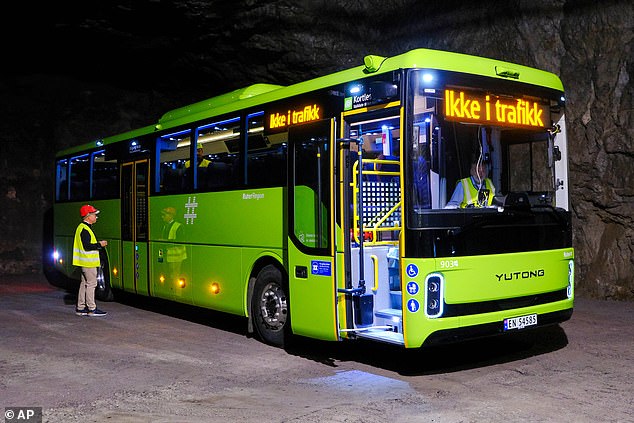
A Yutong bus in Norway – where concerns were first raised

Digital mock-up of China’s proposed ‘super-embassy’ near Tower Bridge
Keir Starmer, however, has been keen to attract more foreign investment from China, and the UK held its first trade talks in seven years with Beijing in September 2025.
The Prime Minister is expected to travel to China later this month, becoming the first to do so since 2018, and this month the government also looks set to approve the construction of the vast new Chinese embassy in London.
Plans for the ‘super-embassy’ have attracted intense criticism over fears it could give China access to data from nearby sensitive assets, such as the City’s financial district and several data centres.
A Department for Transport spokesperson said: ‘We take security extremely seriously and are working closely across Government and with the transport sector to understand this issue and mitigate potential risks.’
Share or comment on this article:
Hundreds of electric buses in Britain have Chinese ‘kill switch’ which can remotely disconnect them