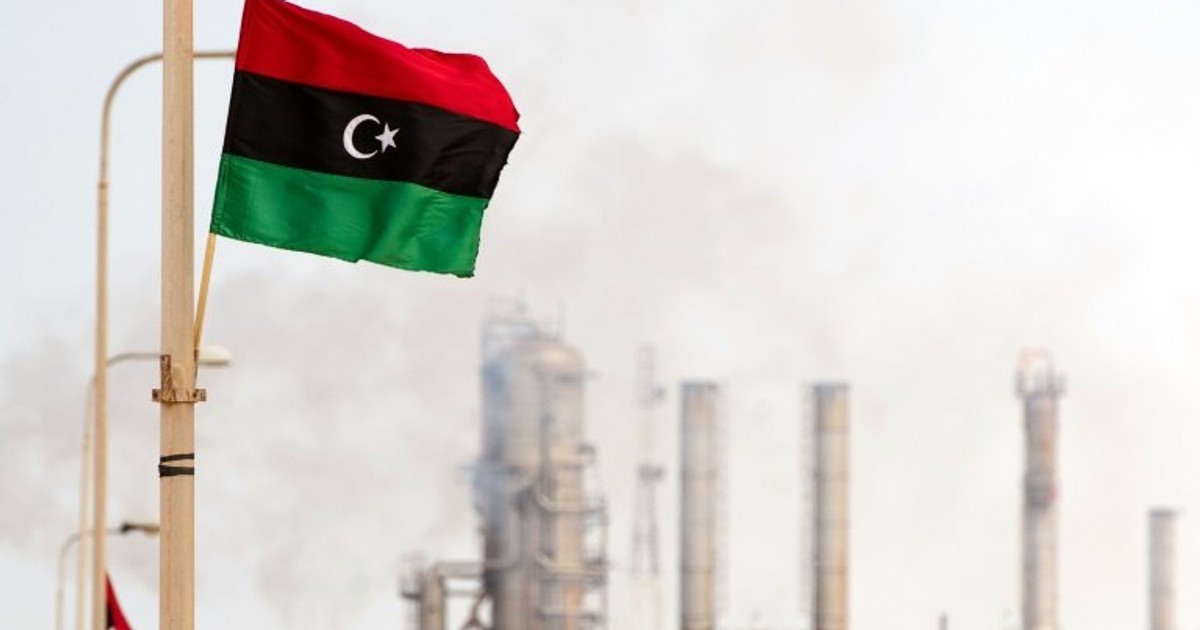
Figures from Libya’s National Oil Corporation (NOC) show average crude output climbed to about 1.37 million barrels per day, the strongest annual performance since the early 2010s, as key oilfields and export terminals operated more consistently following infrastructure repairs and improved security conditions.
Oil remains the backbone of Libya’s economy, accounting for more than 90% of government revenue and export earnings, making the rebound critical for easing fiscal pressures and stabilising public finances.
Libya is one of Africa’s top oil producers, consistently ranking second only to Nigeria in output while holding the continent’s largest proven reserves, estimated at 48–50 billion barrels.
In stable periods, the country produces roughly 1.2–1.6 million barrels per day and, as an OPEC member, plays a key role in global supply management despite ongoing political and security challenges.
Libya’s strategic importance stems from its high-quality light sweet crude, vast reserves, and proximity to European markets, making it a pivotal supplier on the continent.

Oil recovery boosts revenues but risks remain
The rise in production also translated into higher oil revenues in 2025, offering much-needed relief to state finances and foreign reserves.
NOC Chairman Masoud Sulieman Mousa credited the performance to the resilience of Libya’s oil workforce and the corporation’s strategic focus on recovery and efficiency improvements.
He said the results “reflect continuous work under complex circumstances and confirm the Libyan oil sector’s ability to recover whenever the will and support are present.” He also praised workers across oilfields, ports, and technical departments, describing them as “the architects of these results.”
However, analysts warn the recovery remains fragile. Libya’s oil output has historically been vulnerable to political disputes, militia blockades, and sudden shutdowns linked to rival power centres.
Sustaining higher production levels, observers say, will require stronger governance, clearer revenue management, and durable security arrangements around critical energy infrastructure.
Authorities are targeting further increases, with ambitions to push output beyond 1.5 million barrels per day in the coming years, contingent on political stability and continued investment.