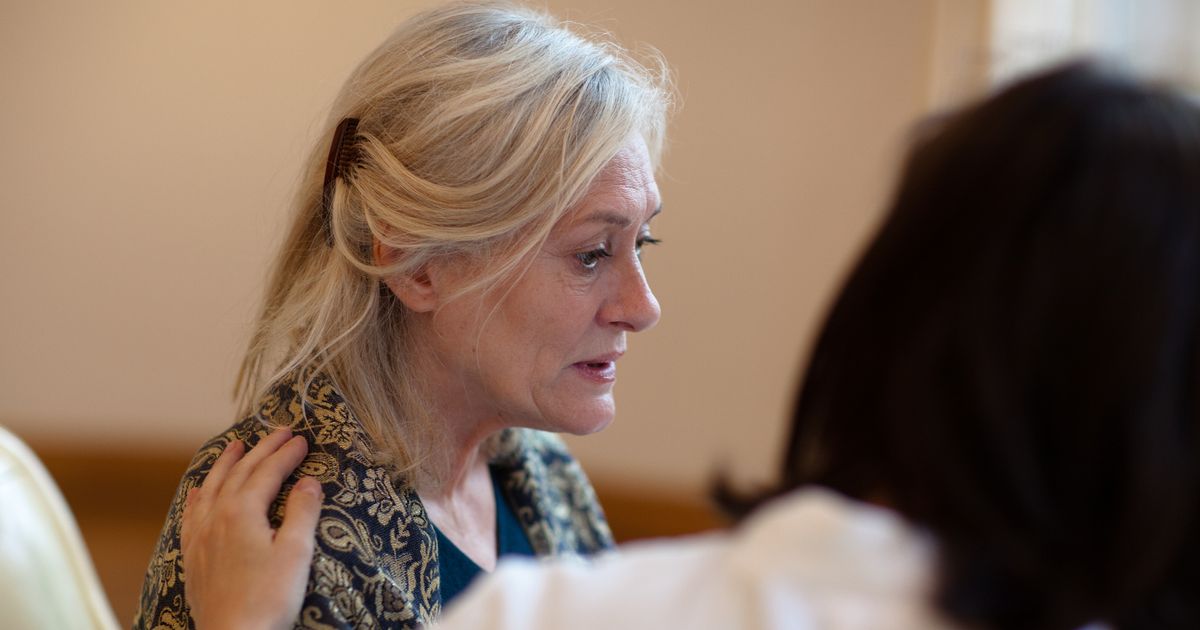
A study over two decades has found that six symptoms of depression may be early indicators of dementia. With close to one million dementia diagnoses in the UK alone, could this help experts find a way to slow the condition down?
07:00, 03 Jan 2026Updated 08:16, 03 Jan 2026
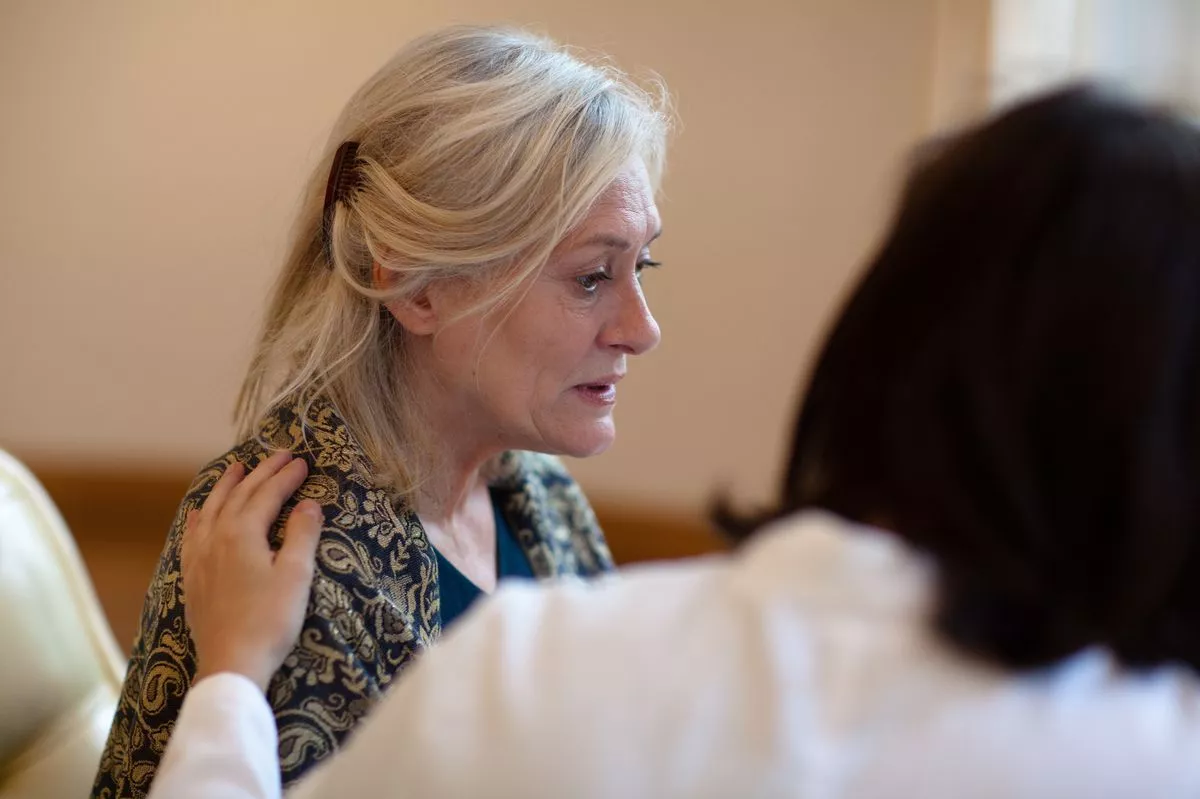 Depression is linked to an increased risk of dementia in both mid and later life(Image: Getty Images)
Experiencing waves of nerves or failing to concentrate during the ‘mid-life’ stage could be an indicator of dementia, says experts.
British scientists have published findings which tested a substantial 5,811 adults, across the span of two decades and have now concluded depressive symptoms to also be an early warning sign. The study shows those experiencing an array of specific depressive symptoms were much more likely to be diagnosed the tragic condition later on.
Those showing a high risk of dementia suffered a total of at five to six of the total six warning signs. These are: difficulty concentrating; worsening anxiety; a decrease of self-confidence; an inability to face up to problems; and a reduced warmth or affection for others.
 Figures for dementia patients are set to increase in the next generations, with Brits already reaching nearly one million.(Image: Getty Images/Science Photo Library RF)READ MORE: Bruce Willis’ wife Emma opens up on caring in new video amid husband’s dementia battleREAD MORE: NHS urges people to ‘look out’ for ‘warning sign’ symptoms in loved ones at Christmas
A further signal was dissatisfaction while carrying out of everyday tasks. Published by The Lancet, the study is said to potentially aid doctors in highlighting patients at risk, years before the traditional confusion and memory loss take root.
With nearly one million Brits diagnosed with dementia, and no known cure as of yet, experts are now sharing that signalling the risk at the earliest chance could allow GP’s to deliver lifechanging instructions and alternatives that could slow down its development.
Depression already being an established symptom common in those experiencing dementia, with researchers of the study now claiming the logging of mental health issues to be an initial study over the decades to explore how symptoms may lead to the condition.
A University College London Researcher of elderly mental health symptoms, and lead author of the study, Dr Philipp Frank explained said the results imply “that dementia risk is linked to a handful of depressive symptoms rather than depression as a whole”.
 Alzheimer’s Society has warned that more research must be carried out (Image: Getty Images)
He said: “This symptom-level approach gives us a much clearer picture of who may be more vulnerable decades before dementia develops”. Frank added that “everyday symptoms that many experience in midlife appear to carry important information about long-term brain health”.
Tracking the health data of adults between the ages of 45 and 69 – the average being 55 – case studies answered an in-depth questionnaire on their mental health. This included 30 depressive symptoms and, after 23 years, led to 586 participants developing dementia.
Combining the data, the researchers found that those who reported five or more key symptoms had a 27 percent higher risk of dementia that those who did not experience low mood.
The study also found those who had lost their confidence were at a risk rate of 51 percent; those avoidant of their problems showed a 49 percent risk; patients “not feeling warmth and affection for others” were at risk by 44 percent; and those nervous or “strung up” found an increased risk of 34 percent, just more than a third.
Associate Director of Research and Innovation at Alzheimer’s Society, Dr Richard Oakley, warned that the link is “complicated”, adding: “The connection between dementia and depression is complicated. It’s encouraging to see this new observational study begin to unpick how dementia and depression are interlinked.
“However, more research is needed to confirm whether these six symptoms also apply to women and ethnic minorities” and that these findings are not always connected, with many sufferers of depression not developing dementia, and “people with dementia won’t necessarily develop depression”.