Most full-time workers in Scotland could be paying the higher rate of tax by 2029 under the government’s current fiscal regime, new analysis suggests.
Economic forecasts suggest wages will rise by around three per cent per year for the next four years, putting the average salary in Scotland at £44,746.18 – above the SNP’s current threshold for paying the higher 42 per cent rate of income tax.
The Scottish Conservatives have blasted the SNP for its ‘brutal’ taxation plans, and said the country was being ‘hammered by two left-wing governments addicted to tax rises’ following Rachel Reeves’ November budget.
It comes after John Swinney was accused of misleading parliament and urged to correct the record when he claimed his party had kept its manifesto pledge not to raise income tax, despite introducing two income tax rises in 2023 and 2024.
Craig Hoy, the Scottish Tories finance spokesman, said the new analysis of the Office for Budget Responsibility’s forecast made a mockery of the SNP’s claims that only those with the broadest shoulders paid more under their tax regime.
He said: ‘These figures lay bare just how brutal the SNP’s tax policy is for ordinary Scots.
‘It defies belief that someone on an average salary will soon be dragged into the higher tax bracket.
‘John Swinney likes to pretend that only those with the broadest shoulders are made to pay more by the SNP, but these stats expose that claim as utter nonsense.
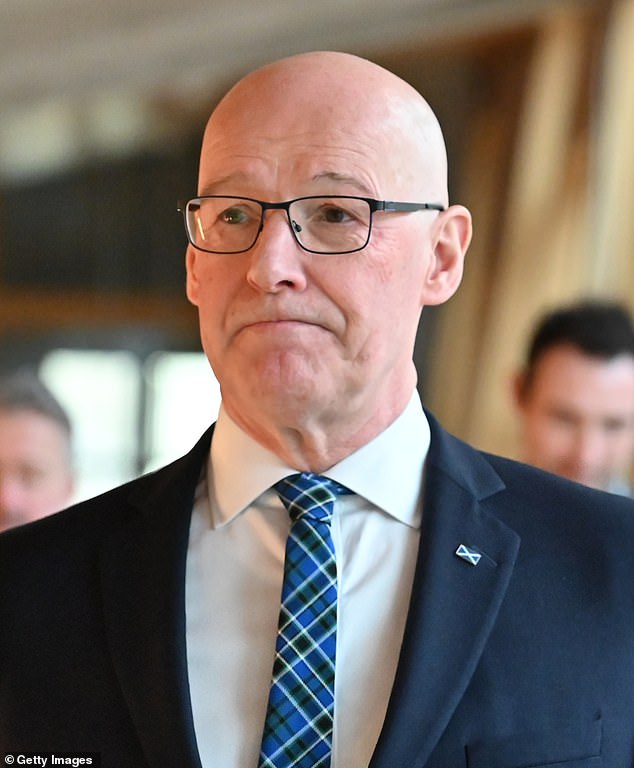
First Minister John Swinney is accused of implementing a ‘brutal’ tax regime
‘It’s not just top earners being clobbered, it’s most people who are working full-time.
‘With Labour’s latest UK budget hiking taxes by a further £26 billion, Scots are being hammered by two left-wing governments addicted to tax rises in order to fund their reckless benefits splurge.
‘No one can trust a word that either Labour or the SNP say about tax, since both have broken their manifesto promises on the issue – something John Swinney brazenly and inexplicably tries to deny.’
In November the First Minister was urged to apologise and accused of misleading the public when he told MSPs at Holyrood his party had ‘maintained our manifesto commitments in relation to taxation.’
The SNP’s 2021 manifesto promised ‘over the course of the next parliament we will freeze income tax rates and bands’.
But in 2023, while Mr Swinney was finance secretary, he raised the amount of tax paid by those earning above £43,662, raising it from 41p per £1 to 42p.
He lowered the threshold for those expected to pay the top rate of tax, from £150,000 to £125,140 and increased the amount of tax they paid, from 46p to 47p.
The following year new finance secretary Shona Robison repeated the move, raising the top rate again to 48p for those earning above £124,140.
Join the debate
Is it fair that average Scottish workers could pay higher tax rates to fund public services?
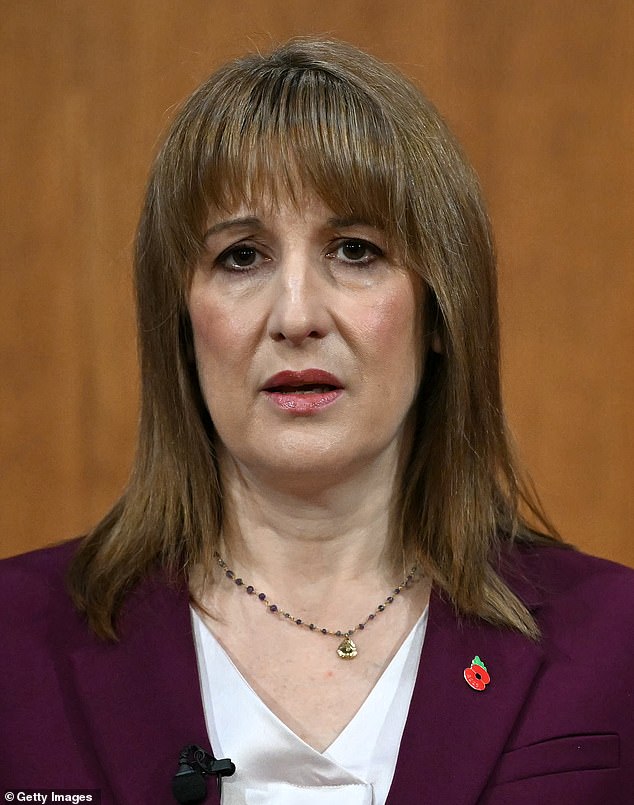
Rachel Reeves was said to have implemented stealth taxes in her autumn Budget
She also brought in a sixth tax band for those earning between £75,000 and £125,140, who must pay 45 per cent on their earnings.
Mr Swinney was also said to have mislead MSPs when he claimed last year that ‘more than half of taxpayers in Scotland continue to pay less than they would if they lived elsewhere in the United Kingdom.’
A report by the Scottish Fiscal Commission published after the First Minister’s claims estimated that over the last two years most Scottish taxpayers have paid more income tax than they would have in the rest of the UK.
Opposition politicians have raised concerns about the Scottish government’s taxation plans in the upcoming January budget, with suggestions that there may be amendments to the pay thresholds.
In an interview in November finance secretary Shona Robison said she would not increase income tax rates or introduce new bands, but didn’t rule out amending the thresholds within the current bands.
She said: ‘I’ve already set out in the tax strategy the position we wanted around stability with no changes to rates and bands.
‘That is the position we had and that the position we maintain.’
A Scottish Government spokesman said: ‘ The Scottish Government’s tax decisions enable us to deliver higher investment in the NHS and policies like free tuition not available anywhere else in the UK, while ensuring the majority of taxpayers are expected to pay less income tax than elsewhere in the UK.
‘Tax policy for 2026-27 will be announced at the Scottish Budget on 13 January 2026.’