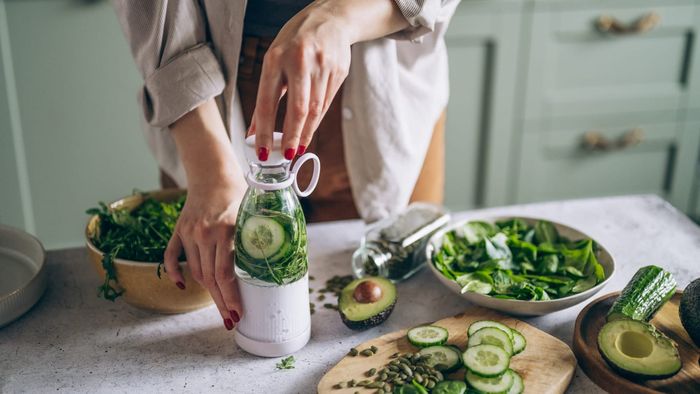
NOT SO INNOCENT: Your healthy diet could be the reason your daily pills are not working as intended (Image: Getty)
Your breakfast, favourite snack or ‘healthy’ juice could be quietly interfering with your medication without you realising it. Pharmacists warn that everyday foods can change how drugs are absorbed or processed, sometimes making them weaker or increasing side-effect risks.
Prescribing Pharmacist Ian Budd says food-drug interactions are far more common than people expect. While alcohol is a widely known trigger, he explains that well-intentioned choices such as fruit, vegetables and dairy products can cause problems too.
From mature cheeses and cranberries to leafy greens, milk and refreshing grapefruit juice, many popular foods have the potential to clash with prescriptions. Understanding these interactions can help you get safer, more reliable results from the medicines you depend on.

Foods to be careful with when taking medication
- Grapefruit and grapefruit juice
- Leafy greens high in vitamin K
- Cranberry juice or supplements
- Milk, cheese and yoghurt taken with antibiotics
- Aged cheeses and smoked or cured meats
- Alcohol
Ian, from online pharmacy Chemist4U explained: “As pharmacists, our goal is to help people understand how to use medications safely and effectively, and food plays a bigger role than many people realise. Even choices we think are healthy, like fruits, vegetables, or supplements, can sometimes affect how your medication works or how well your body absorbs it.”
“For example, something as simple as having grapefruit juice with breakfast can interfere with blood pressure medication, antidepressants or cholesterol medication, while foods high in vitamin K can impact how blood thinners work. These are small details, but they can make a real difference in how well your treatment does its job.
“Knowing what to look out for means you can take control of your health and get the most out of your treatment. The more you understand how your medication fits into your daily routine, the safer and more effective it becomes.”

Let’s talk grapefruit
Ian explained: “Grapefruit and grapefruit juice are one of the most common causes of food and medicine interactions. They contain natural chemicals that block an enzyme in your liver, which helps break down certain medicines. When that happens, your body can’t process the drug as it normally would, so more of it stays in your system. That can make side effects stronger or more likely.
“This is especially important if you’re taking medicines like statins, blood pressure tablets, some antidepressants, or immunosuppressant drugs. Even one glass of grapefruit juice can have an effect that lasts for up to one day, so it’s safest to avoid it completely with these medications.”
What to do: Avoid grapefruit entirely if it’s listed on your medication leaflet or pharmacist guidance, reports Neil Shaw on Devon Live.
Leafy greens
“Leafy greens like spinach, kale, and broccoli [and Brussels sprouts] are full of vitamin K, which plays a big role in helping your blood to clot. Warfarin works by slowing down vitamin K’s effect, which is how it helps prevent blood clots,” said Ian.
“So, if you suddenly eat a lot more (or a lot less) vitamin K-rich foods than usual, it can throw off the balance and make warfarin either less effective (if you eat more greens) or too strong (if you suddenly cut them off).”
What to do: Keep your intake consistent rather than drastically increasing or cutting back.
The problem with cranberries
“Cranberry juice is often seen as a healthy choice, but it can be a problem if you’re taking warfarin. Cranberries contain natural compounds that can affect how your body breaks down warfarin, which may make the drug stronger than intended. That means your blood could become thinner, increasing the risk of bruising or bleeding,” he explained.
“It’s not an issue for everyone, and an occasional glass is unlikely to cause harm, but drinking cranberry juice regularly or taking cranberry supplements can be risky if you’re on warfarin. It’s always best to check with your pharmacist before making it part of your daily routine.”
What to do: Don’t drink cranberry juice daily or take supplements without advice.
Dairy products
“Milk, cheese, and yoghurt are part of a healthy diet, but they can sometimes get in the way of how certain antibiotics work,” he warned. “The calcium in dairy products can bind medicines like tetracyclines and fluoroquinolones, that are often used to treat chest or urine infections. When that happens, the medicine isn’t absorbed properly, which means your body doesn’t get the full dose and the infection might take longer to clear.
“If you’re prescribed one of these antibiotics, don’t worry; you don’t need to avoid dairy altogether. Just try to take your dose a couple of hours before or after having milk or dairy foods so it can do its job properly.”
What to do: Space your antibiotic dose at least two hours away from dairy foods.
Tyramine-rich foods
“Foods like aged cheeses, cured meats, and fermented products contain something called tyramine, which can cause a sudden rise in blood pressure if you’re taking older antidepressants known as MAO inhibitors. This type of reaction can make you feel unwell with headaches, a fast heartbeat, or even very high blood pressure.
“These drugs aren’t prescribed as often now, but for anyone taking them, it’s important to know which foods to avoid. Your pharmacist can help you spot tyramine-rich foods and give simple swaps so you can still enjoy your meals safely.”
What to do: Ask your pharmacist for tyramine-safe food swaps if you take MAO inhibitors.
The effects of alcohol
“Alcohol is one of the most common things that interacts with medications, and the effects can vary depending on what you’re taking. It can make some drugs, like antidepressants, sedatives, and strong painkillers, much more sedating, which can leave you feeling drowsy or unsteady. It can also put extra strain on your liver or interfere with how medicines for diabetes work, making blood sugar harder to control.
“It doesn’t mean you can never drink,” he amitted, “but it’s always worth checking your patient information leaflet or asking your pharmacist what’s safe for you. Knowing how alcohol might affect your medication can help you make more confident, informed choices.”
What to do: Always check your medication leaflet or confirm with a pharmacist before drinking.
The safest rule is simple: Double-check with your pharmacist before changing your diet or taking supplements while on medication. A quick conversation could prevent everyday food habits from quietly undermining your treatment — and help keep your prescription working exactly as intended.
READ NEXT