
Flu, Mpox and Victorian disease rubella are among the diseases doctors are most worried about for the upcoming 12 months, after unprecedented outbreaks of ‘super flu’ across the UK
21:50, 04 Jan 2026Updated 22:41, 04 Jan 2026
 Flu is one of the most concerning diseases for 2026, doctors claimed(Image: Getty)
Flu, rubella, and Mpox lead the terrifying diseases doctors are most worried about for 2026, it’s been revealed.
The UK is currently fighting back against a huge ‘super flu’ outbreak, which has seen record numbers of people hospitalised with influenza for this time of year. The unprecedented wave of flu has left the NHS staring down a “worst-case scenario for this time of year”, according to its National Medical Director, Professor Meghana Pandit.
At the same time, the proportion of kids receiving their childhood vaccinations hit a 15-year low earlier in 2025. Measles outbreaks were reported across England earlier this year, with most cases found in unvaccinated kids younger than 11 years old. Victorian disease rubella could now make a comeback next year owing to the drop in MMR vaccinations, it’s been claimed.
READ MORE: Mum shares 5 ‘super flu’ symptoms that are ‘no joke’READ MORE: Pharmacist issues paracetamol warning to anyone with cold and flu symptoms
Meanwhile, a recombinant strain of mpox has put health officials on high alert. The mutation is spreading around the world, sparking even higher risk of further strains developing.
But, one of the biggest threats to human health is food insecurity, it’s also been revealed. Malnutrition is leaving even more people vulnerable to these infectious diseases, according to the University of Southampton’s Research Fellow in Public Health and Nutrition, Jess Boxall.
She told the Mirror: “Our research in rural Ghana has shown that many people are increasingly unable to eat a sufficiently diverse diet for optimal health and immunity, with up to 90% of households in some communities being food insecure. Around one in three people around the world are food insecure, including 11% of households in the UK – demonstrating this is an issue in every country.”
 Childhood vaccination is at its lowest since 2010 in the UK(Image: Getty Images/Canopy)Mpox
A new strain of the Mpox virus was found in the UK earlier this month, with health officials warning it “can be severe”.
The virus, which was previously known as monkeypox, belongs to the same family as smallpox. It’s spread through physical contact, as well as through coughs and sneezes.
The most recent Mpox mutation is actually a combination of two previously well-known strains, and is “precisely what experts in the field feared would happen”, a doctor claimed. It was discovered in a person who recently returned to the UK from a trip to Asia.
The disease used to be relatively uncommon, according to the University of Southampton’s Senior Research Fellow Dr Michael Head. But, after a number of outbreaks across the world, the virus has become far more common, he said.
“Mpox outbreaks continue in many countries around the world, including in Europe, for example Spain,” he told the Mirror. “There are new strains emerging, and it’s increasingly clear that the virus, previously very rare, is now here to stay globally.”
- Symptoms: Headaches, muscle aches, and exhaustion, before developing a characteristic rash with spots that crust over and fall off
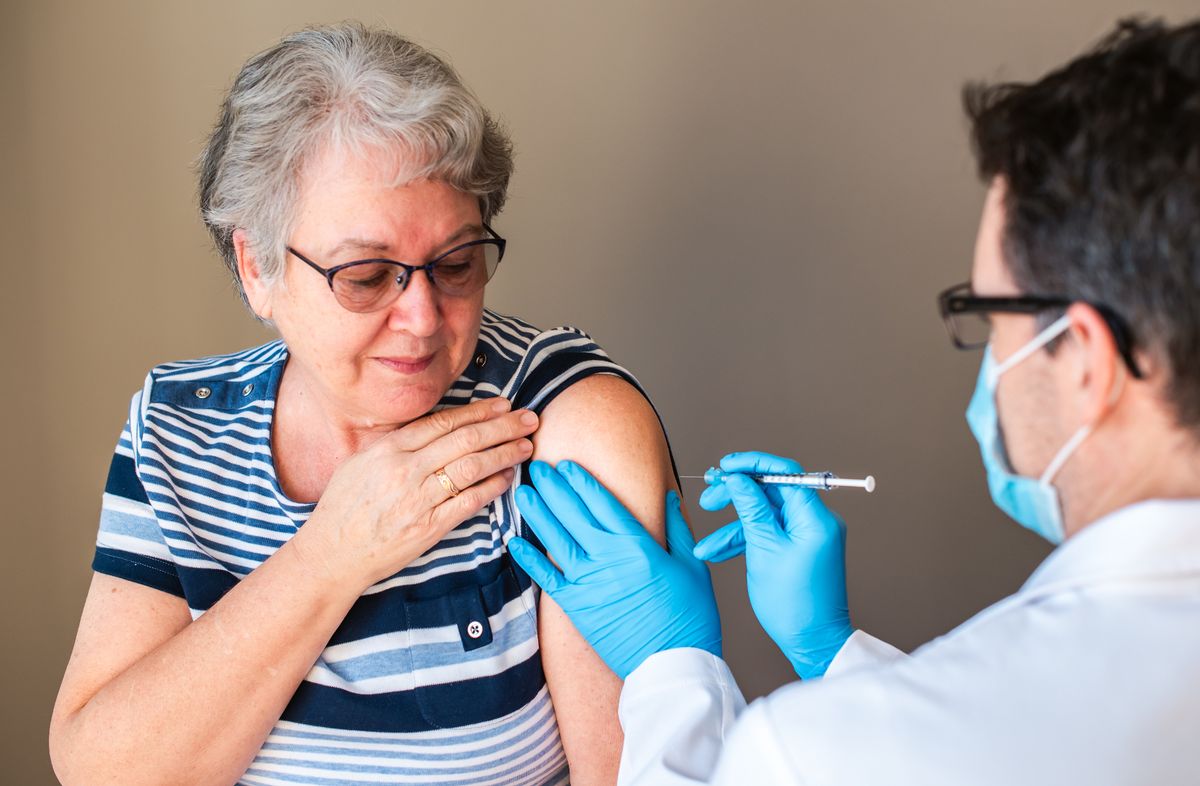 An Mpox vaccine is offered to eligible people for free on the NHS(Image: Getty Images/Cavan Images RF)Rubella
Childhood vaccine uptake has plummeted in the UK, and hit a 15-year low in 2015. The antivax movement could subsequently spark a rise in rubella, added Dr Head.
Rubella is sometimes referred to as German measles, and has almost entirely been eradicated in Britain. It’s represented as the ‘R’ in the MMR vaccine, which has largely helped to lower the number of cases.
“The number of rubella cases in the UK annually is usually single figures, sometimes zero,” he said. “It has essentially been eliminated as a public health problem.
“However, with lower uptake of the MMR vaccine, there is the risk of new cases of rubella emerging. This is a mild infection for most people, but can have serious consequences in pregnant women. For example, there is a 90% risk of congenital rubella syndrome if the female is infected early on in the pregnancy.
“This syndrome causes birth defects including brain damage, eye defects and hearing loss. The rubella component of the MMR vaccine protects against this happening.”
- Symptoms: Fever, swollen glands, and headaches, before a spotty red rash on the face that spreads down the body
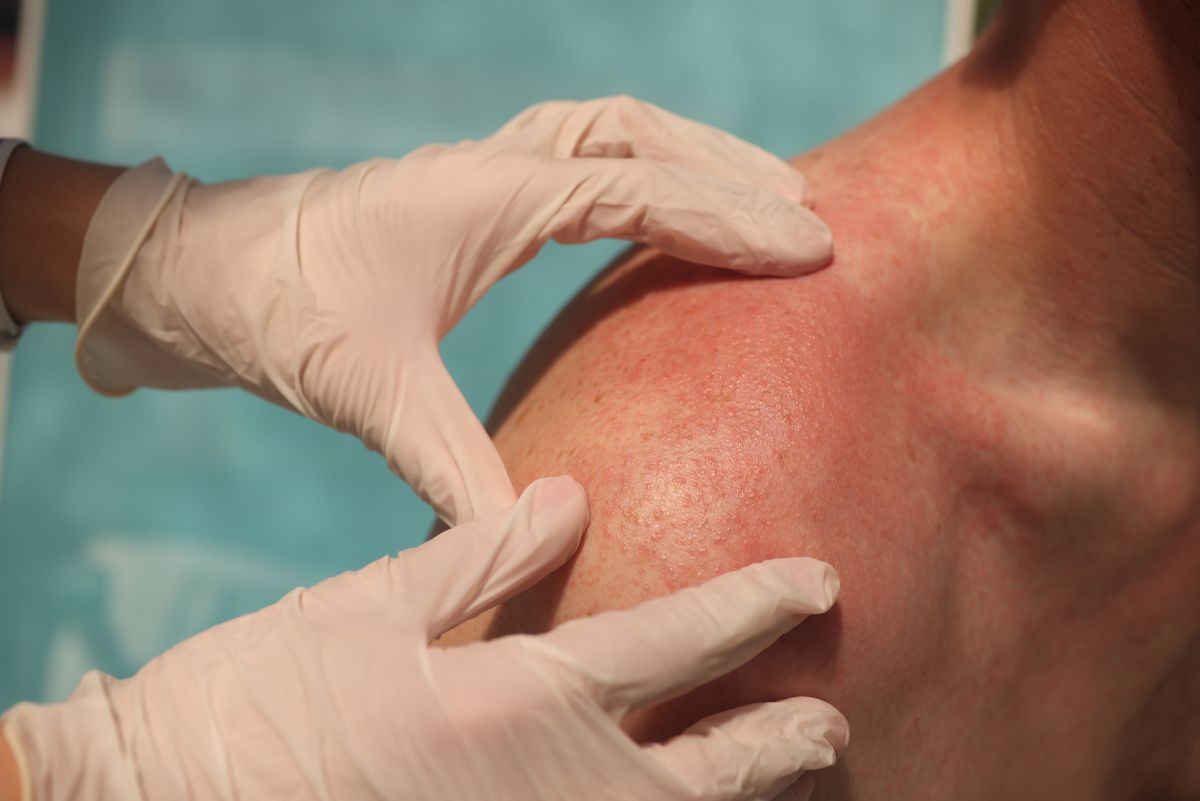 A widespread rash can be a sign of rubella(Image: Getty Images/iStockphoto)Influenza
The UK has seen a huge early outbreak of flu this year, with numerous NHS Trusts put on high alert. The number of people hospitalised in England with “super flu” continues to soar and remains at a record level for this time of year, new NHS figures show.
While flu is usually very common, it’s one of the most worrying diseases at the moment, according to Medicine professor at the University of East Anglia, Paul Hunter.
“The big issue at present is influenza, he told the Mirror. “Australia just had its worst flu season in years, and we usually follow the Australia example.
“So when the current UK surge will peak and how long it will last is a big uncertainty.”
Health authorities have cautioned that a ‘drifted’ flu variant, identified as A(H3N2) – or subclade K – has swiftly emerged as the predominant influenza strain nationwide. The H3N2 subtype represents one of three primary viruses responsible for seasonal flu.
The health service faces a challenging time as it grapples with an early flu season and more people in hospital with flu at this time of year than ever before. The UK Health Security Agency (UKHSA) is urging all eligible people to get a flu jab.
- Flu symptoms: Fever, chills, muscle aches, sore throat, runny nose, fatigue, and possibly vomiting and diarrhoea
 Disease X continues to concern doctors going into 2026(Image: GETTY)Disease X
So-called Disease X still remains a concern going into 2026, warned Dr Head. It isn’t an actual infection – it’s more the name given to any disease that hasn’t been identified, so far. But, the idea of an unknown virus or bacterial infection is very real, and scientists have urged governments to be prepared for anything Mother Nature might throw at us.
“Disease X is the name given to an as-yet-unknown bug, that has the potential to cause large outbreaks or even a pandemic,” Dr Head previously told the Mirror. “This bug would have the potential to spread quickly and have a high mortality rate; for example like COVID-19.
“The world was poorly prepared for the most recent pandemic, and though we have significant advances in technology, such as the use of mRNA platforms for vaccines and other medicines, we would likely fall short again should Disease X emerge tomorrow.”
- Symptoms: It could include anything dependent on its biological make-up. If it were a respiratory virus, it could cause coughs or difficulty breathing. But if it were a bacterial infection, it might cause more stomach bug-like symptoms