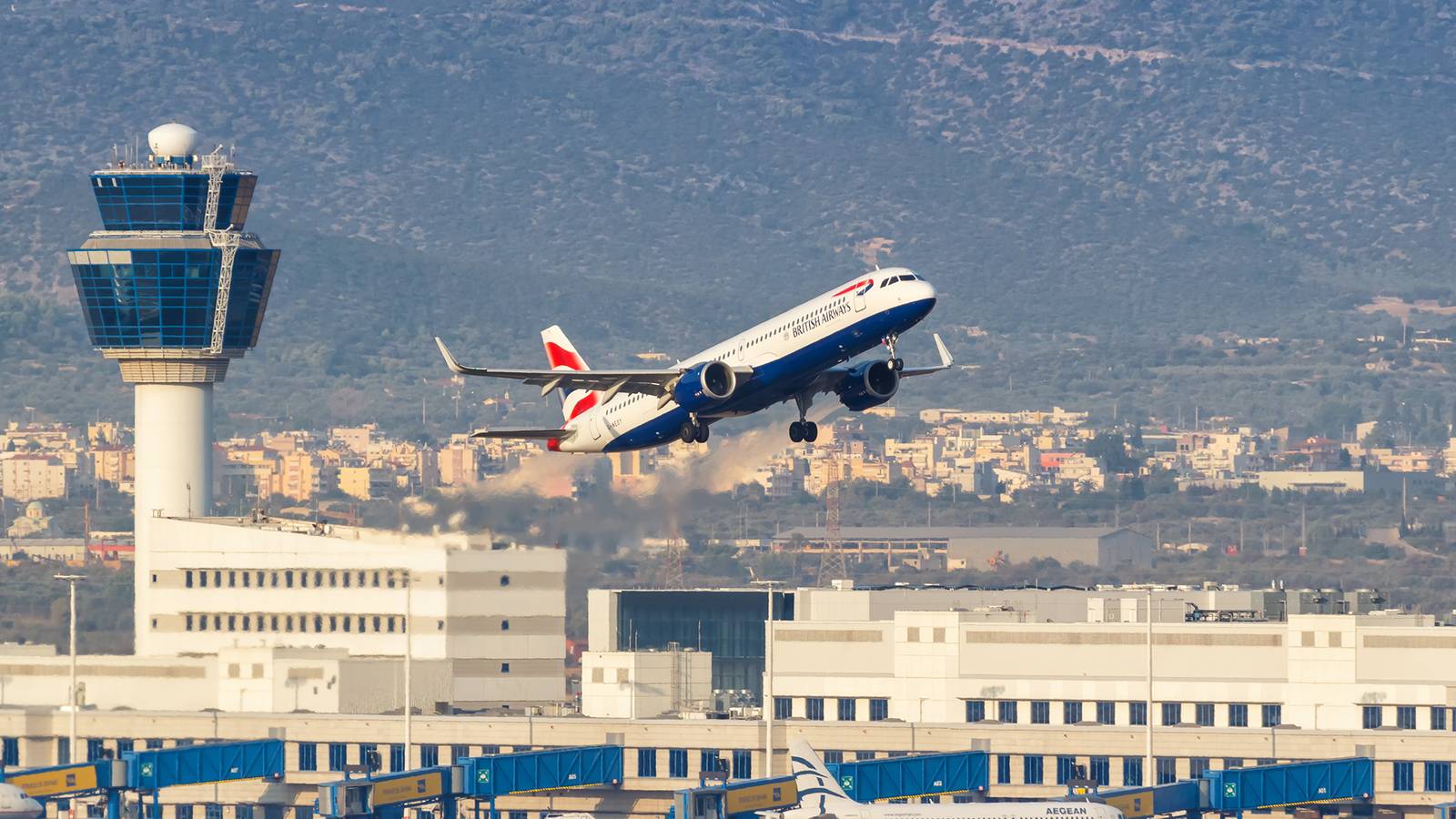
On January 4, 2026, a massive failure of air traffic communications in Greece triggered travel chaos affecting flights across Europe. A sudden collapse of radio frequency systems used to coordinate aircraft in the Athens Flight Information Region (FIR) led to the suspension of departures and arrivals nationwide, grounding flights at major hubs like Athens International Airport(ATH) and leaving thousands of passengers stranded, as reported by BBC News. While some services gradually resumed later in the day, the technical breakdown wreaked havoc on holiday travel plans and sparked widespread delays. Authorities are investigating the root causes of the outage, though outdated equipment is suspected to have played a key role.
This disruption unfolded on one of the busiest travel weekends of the year, as holidaymakers and returning residents planned to take to the skies after New Year’s festivities to return to work on Monday, January 5. The outage not only froze Greece’s internal flights but also rippled outward, forcing reroutes and cancellations on international routes. With Greek airspace a critical corridor for flights between Europe, the Middle East and Asia, the sudden breakdown exposed vulnerabilities in aviation infrastructure that have drawn sharp scrutiny. Airlines and airports scrambled to adapt while authorities worked to restore communication systems and keep air traffic moving safely.
Greek ATC Outage Impacts European Airports
Credit: Shutterstock
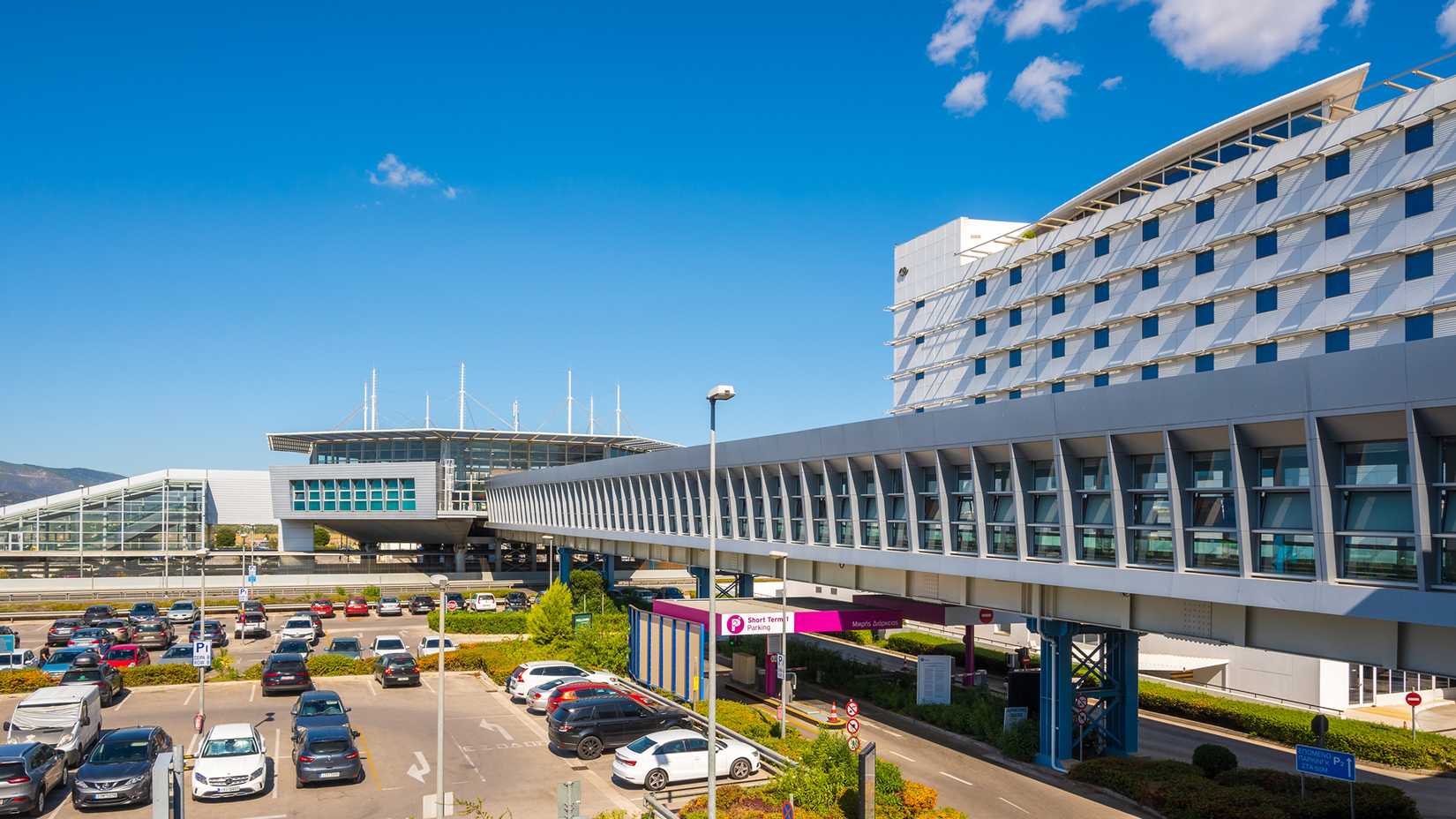
In the early hours of January 4, Greece’s air traffic control system encountered a severe communication failure when multiple radio frequencies went offline. These frequencies are essential for communication between pilots and air traffic controllers, and without them, flight operations cannot proceed safely. Greek aviation authorities issued a NOTAM (Notice to Airmen) and halted all arrivals and departures to prevent accidents and manage skies under contingency procedures.
The impact was immediate. Athens International Airport “Eleftherios Venizelos”, Greece’s busiest hub, along with regional airports such as Thessaloniki and Heraklion, canceled or postponed flights. Aircraft already aloft were managed under manual procedures or diverted to neighboring countries, including Italy, Turkey, Cyprus and other neighboring countries, as controllers sought to minimize risk amid the outage. Overflights (planes passing through Greek airspace) were temporarily restricted or rerouted, as shown in FlightRadar24 history.
As reported by Reuters, Panagiotis Psarros, Chair of the Greek Air Traffic Controllers Association, told state media,
“We have not been informed about the cause of this problem… Certainly, the equipment we have is virtually ancient.”
Areas Affected By The Radio Failure
Credit: Airbus
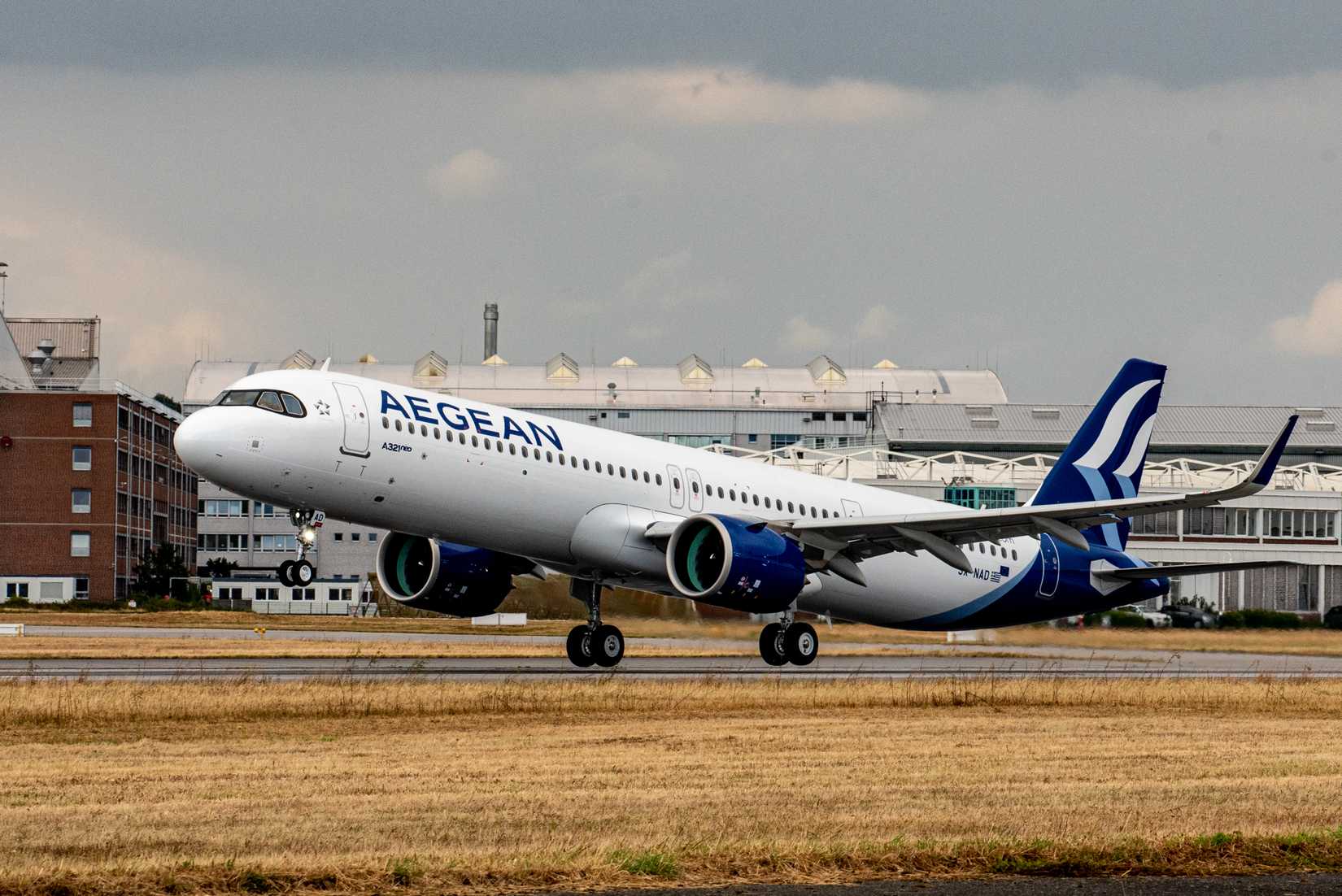
The failure affected the Athens and Macedonia Area Control Centers, which oversee Greece’s FIR — a vast block of airspace extending over the Aegean Sea that is crucial to flights traversing southeastern Europe. With the central communication systems knocked out, controllers were left with limited tools to manage traffic, prompting the unprecedented decision to freeze operations.
Air traffic controllers and technicians worked throughout the day to isolate and fix the fault. By the afternoon, backup frequencies and alternative communication channels were brought online, allowing a gradual restoration of flights. Athens airport reported that departures increased to dozens per hour as systems stabilized, though capacity remained reduced compared to normal operations. Towards the end of the day, communication was restored, and all flights began operating as usual, though with an average delay of 70 minutes, according to FlightRadar24.
The disruption exposed long-standing weaknesses in Greece’s aviation infrastructure. Aviation unions and industry observers have previously warned about aging radar and communication systems that have struggled to keep pace with growing traffic demands. The lack of redundancy in critical systems may have contributed to the scale of the outage, intensifying scrutiny from regulators and the public.
Related
UK Airports Face Disruption After Major ATC Failure
Planes are avoiding London’s airspace.
Credit: Shutterstock
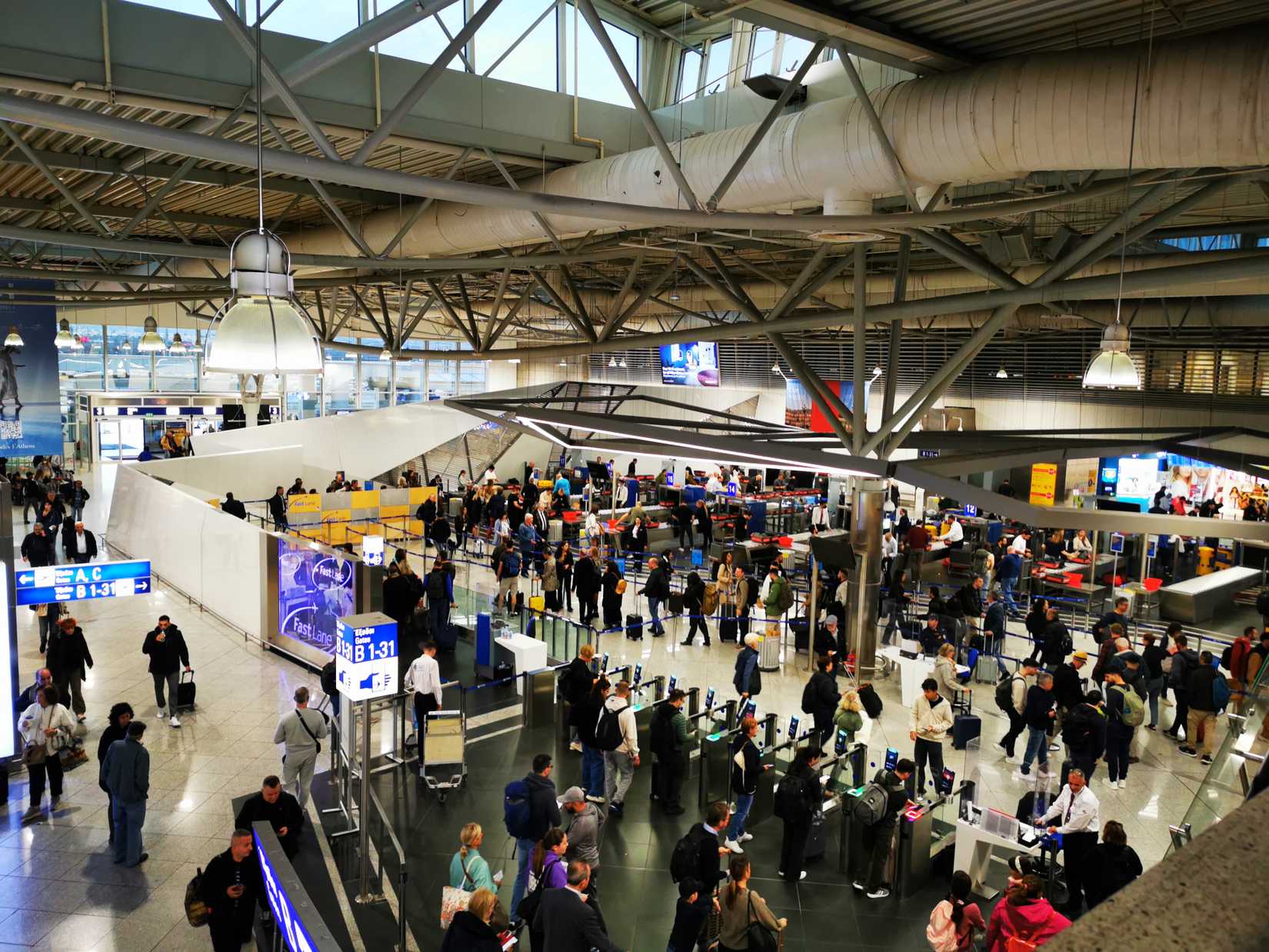
Travelers across Greece and Europe faced significant disruptions due to the outage. Departure halls at major airports were filled with frustrated passengers waiting for updates, stranded by sudden cancellations or diverted flights. Many airlines advised travelers to contact carriers directly for real-time information and schedule updates.
In some cases, international flights bound for Greece were forced to return to their origin airports or land at alternative airports in neighboring countries, underscoring how a national communication failure can affect global flight paths. Airlines and regulators are assessing how contingency plans performed and what improvements might be needed to safeguard against similar incidents, as unfortunately, it is not the only outage to hit major European airports in the last year.
Aviation authorities in Greece and across Europe are expected to review emergency protocols and technical standards to reduce the chances of future outages. Discussions may include accelerated upgrades to communications and navigation technology, enhanced redundancy measures, and closer coordination with EUROCONTROL and international partners.