
‘Fake fat jab sellers’ warning from health minister who tells the Mirror dodgy weight loss injections can cause life threatening heart and psychological problems Getting cheap alternatives to branded weight loss injections could prove fatal, minister warns(Image: Getty Images)
Weight loss injections bought from rogue online sellers can be contaminated and prove fatal, the Government has warned.
Health minister Dr Zubir Ahmed is writing in the Mirror amid a predicted surge in demand for the appetite-suppressing jabs at the start of 2026. The hype around the injections, which mimic a key hormone to make the body feel full sooner, means the government has today warned against buying them on the black market.
Dr Ahmed, a transplant surgeon by trade, writes: “If it sounds too good to be true it probably is and what’s more it could be life threatening.
 Demand for weight loss injections is huge but they are expensive(Image: Getty Images)READ MORE: Urgent probe as 10 Brits die after agonising reaction to weight loss jabsREAD MORE: ‘Golden age’ of weight loss drugs coming – see which are about to get a lot cheaper
“These fake fat jab sellers aren’t legitimate businesses. They’re chancers and criminals who often don’t even know themselves what they’re selling and don’t care about the risks to you if you are taken seriously ill.
“Fake weight loss products risk being contaminated, incorrectly dosed, or contain powerful ingredients not listed on the packaging. We’ve seen countless examples of people suffering heart problems, psychological effects, and dangerously low blood sugar. Some have ended up requiring intensive hospital treatment.”
Over three million people are likely to take appetite-suppressing drugs in the new year including one in ten people aged 25 to 49-year-olds. This would be an increase from an estimated 1-1.5 million people taking the drugs now. However they can cost hundreds of pounds so dodgy cheaper alternatives are increasingly being sold online.
 Weight loss injections are being sold on the dark web(Image: Getty Images)
A survey last week found one in 10 Brits say they would buy them from platforms such as Facebook and TikTok if they could not get a prescription from their doctor or pharmacy.
The poll by Ipsos found 5% said they would buy them online, from a retailer who is not a registered manufacturer or pharmacy. Some 4% told the polling company they would obtain the jabs through friends or family who were on the drugs.
A previous YouGov survey of 2,074 people found 6% of adults are likely to use weight-loss jabs in the new year. Analysis by the NPA suggested this is the equivalent to 3.3 million people. Some 9% of 25 to 49-year-olds told the survey they are likely to take weight-loss drugs in the coming year.
 Health minister Dr Zubir Ahmed, who is a transplant surgeon(Image: UGC)Minister Dr Zubir Ahmed – Parliamentary Under-Secretary of State for Health Innovation and Safety
As the bells finish chiming and the fireworks draw to a close, many of us will be reflecting on how the new year can also usher in the new us.
So whether it’s quitting smoking, taking part in Dry January or shedding a few pounds, as a doctor and a health minister I wholeheartedly salute and support your efforts.
But criminals also see opportunity in our noble New Year ’s intentions. Dodgy online retailers are now more than ever ready to exploit us, bombarding us via social media to peddle dangerous unlicensed weight loss meds and tempting us with instant cheap results.
That’s why I want to be absolutely clear: If it sounds too good to be true it probably is and what’s more it could be life threatening,
These fake fat jab sellers aren’t legitimate businesses. They’re chancers and criminals who often don’t even know themselves what they’re selling and don’t care about the risks to you if you are taken seriously ill.
Fake weight loss products risk being contaminated, incorrectly dosed, or contain powerful ingredients not listed on the packaging. We’ve seen countless examples of people suffering heart problems, psychological effects, and dangerously low blood sugar. Some have ended up requiring intensive hospital treatment.
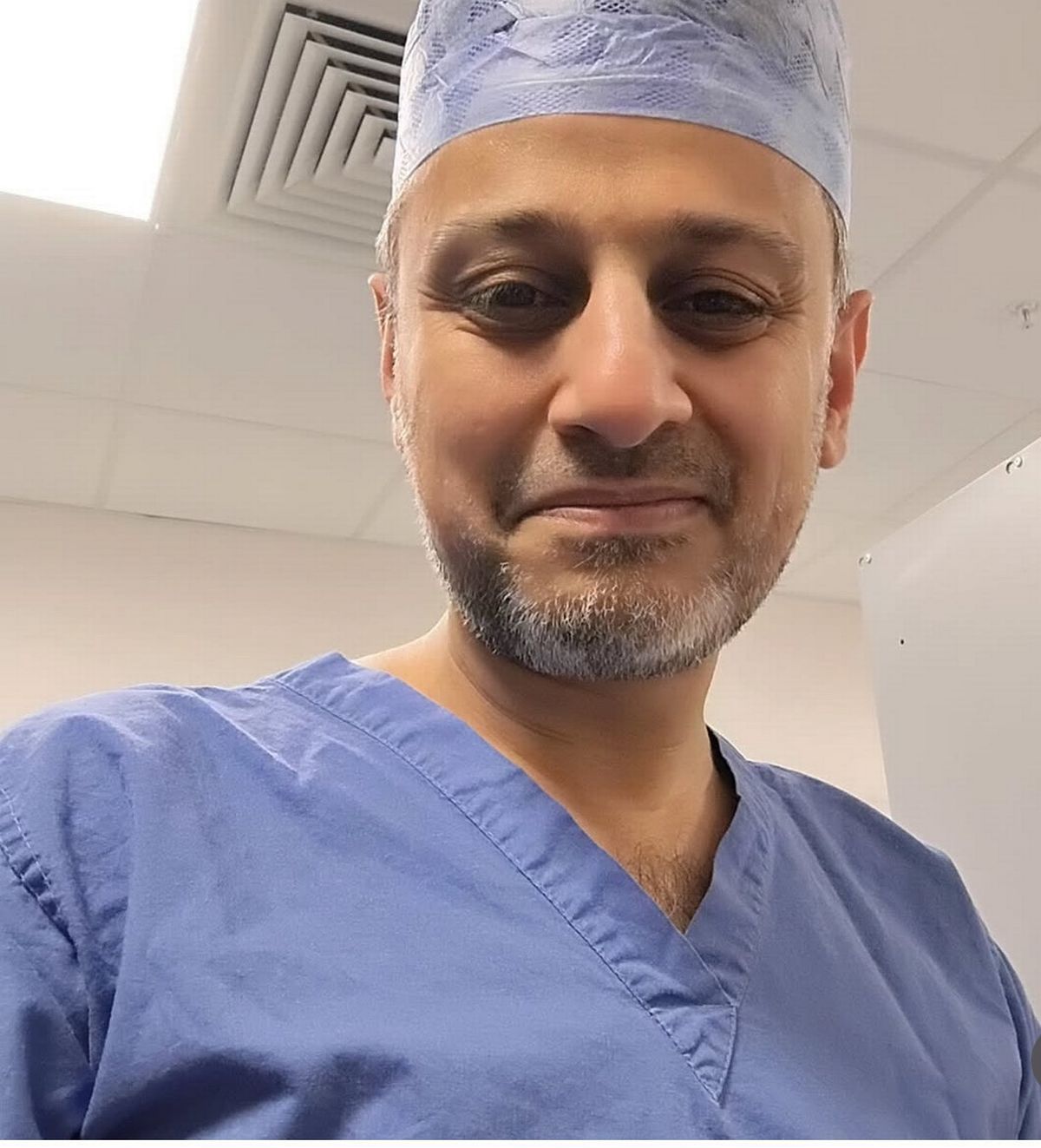 Minister Zubir Ahmed in his scrubs(Image: Instagram)
Real weight loss injections are prescription-only for good reason. They’re powerful drugs that need proper clinical oversight and supervision. If someone offers you these medicines without a prescription or at suspiciously low prices, walk away. Gambling with your health isn’t worth the bargain.
Don’t line the pockets of criminals who couldn’t care less about you.
If you’re considering weight-loss treatment, speak to your GP or pharmacist. We’ve been clear as a government – as we look to shift from treating sickness to preventing it, we want everyone who needs these meds to be able to safely access them on the NHS, not just those who can afford to shell out.
Safe, licensed weight loss medicines offer genuine benefits, but they should always be obtained from a registered pharmacy with a valid prescription and ongoing monitoring from the prescriber.
Your health is too important to take a chance on a fake product from an anonymous seller. This New Year, the government wants to help you make good choices that keeps you healthy and out of the clutches of rogue sellers.
 The MHRA has warned about buying from unauthorised sellers(Image: Getty Images)
Guidance from the Medicines and Healthcare products Regulatory Agency warns against buying from unregulated websites or on social media.
The Ipsos poll also found the proportion of people who have personally taken weight-loss jabs, or know someone who has, has more than doubled from 13% to 28% in the last year. Some 30% said they would take the drugs if they were provided by the NHS although only 11% said they would take them if they had to pay a private provider.
The NHS started the roll-out of Mounjaro – dubbed the King Kong of weight-loss drugs – last March. A four-week supply of pen injections of Mounjaro, made by Eli Lilly, ranges from £92 to £122 depending on the dose.
 Users need to transform their lifestyles or stay on the drugs for life to maintain weight loss, experts say(Image: Getty Images)
Lack of NHS capacity to provide essential counselling support from clinicians is the reason millions of those technically eligible for the injections cannot be prescribed them on the NHS. They are currently being prioritised for the most dangerously obese people who have other, linked health conditions.
Over three years the health service expects to give the jabs to 240,000 people but many more are accessing them privately. Many do so via legitimate online pharmacies but their high cost mean an increasing number are buying dodgy weight loss drugs from rogue sellers.
What are GLP-1 drugs?
Weekly injections such as Ozempic, Wegovy and Mounjaro slow digestion and reduce appetite by mimicking a hormone called glucagon-like peptide 1 (GLP-1) which regulates hunger and feelings of fullness.
They commonly cause side effects such as vomiting and require personalised support from specialists so that weight loss is maintained. The NHS prescribes the GLP-1 injections Mounjaro and Wegovy for weight loss but Ozempic only for diabetes.