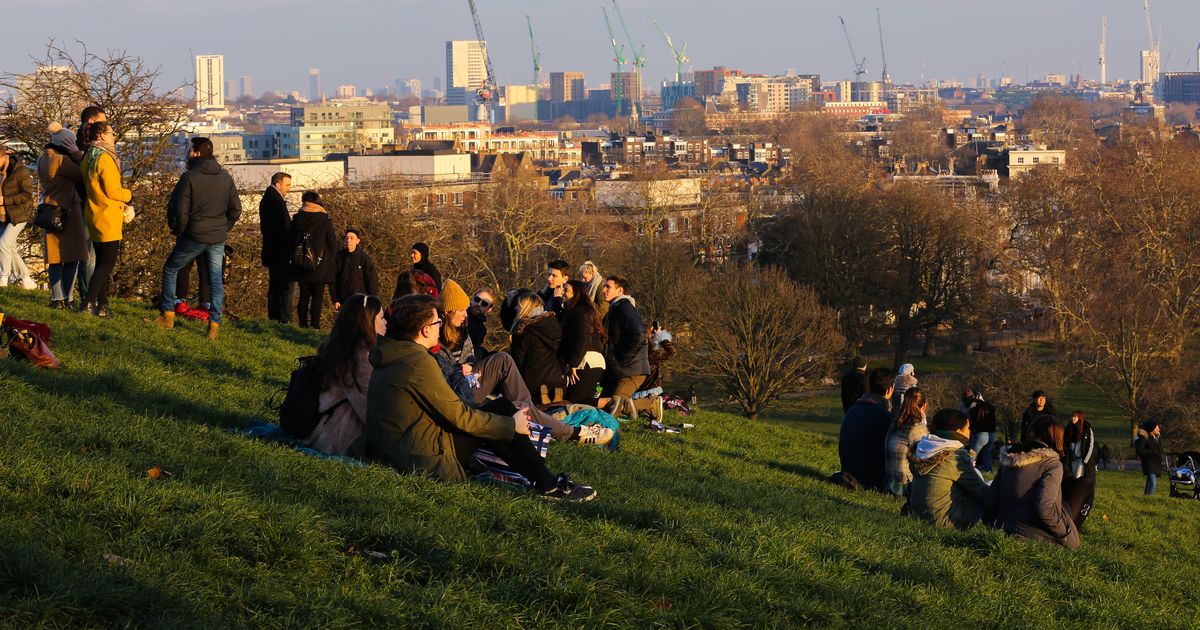
The cold weather and dark evenings can make for a miserable commute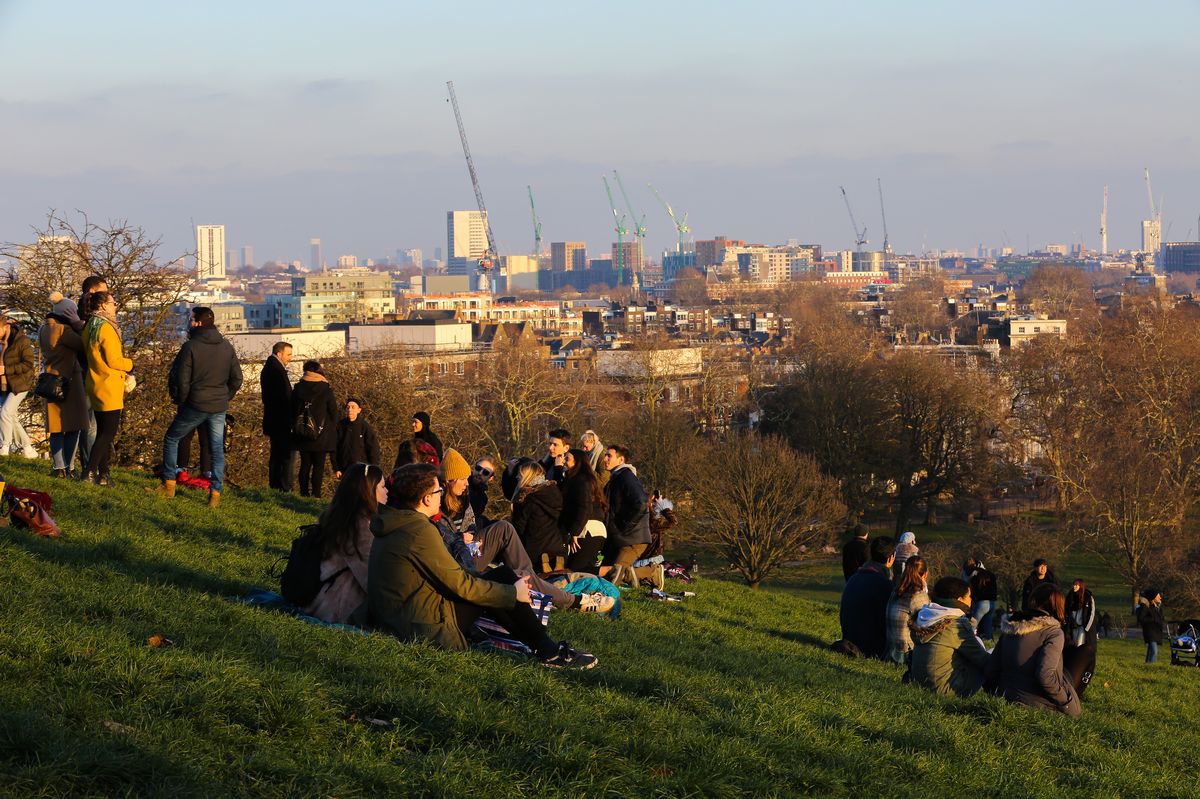 The evenings are officially getting lighter next month(Image: Dinendra Haria/SOPA Images/LightRocket via Getty Images)
London’s first 5pm sunset of 2026 is in sight, meaning early evenings will soon be that little bit lighter. Winter has seen commuters head home in near darkness as plummeting temperatures continue to rock the capital.
However, we now have just over a month left until dusk falls after knocking off time. The sun will set after 5pm in the capital again on February 8, according to data from Time and Date.
Its experts say it will then take another five weeks for the sun to set at 6pm. The days have slowly been getting longer since the winter solstice on December 21.
This is the moment the sun is shining farthest to the south, directly over the Tropic of Capricorn. In other words, it’s when the North Pole is tilted farthest away from the sun.
The UK will get even lighter when the clocks go forward on March 29. This will set the country to British Summer Time, as opposed to Greenwich Mean Time.
Next London sunsets after 5pm
- February 7 – 5pm
- February 8 – 5.02pm
- February 9 – 5.04pm
- February 10 – 5.06pm
- February 11 – 5.08pm
- February 12 – 5.10pm
- February 13 – 5.11pm
Why do the clocks change?
The idea of daylight saving time was first mentioned in 1784 by Benjamin Franklin, the American inventor, scientist and Founding Father. However, it wasn’t until 1907 that a serious proposal was made in Britain by builder William Willett.
It’s thought he was annoyed his golf games would be interrupted by the sun going down, and so began campaigning to change the law.
The first official instance of the clocks changing was made by Germany in the spring of 1916 as a way of conserving energy. The UK did the same a few weeks later, along with many other nations involved in the First World War.
Within a few years of its introduction, a number of countries across the world adopted Daylight Saving Time.
Looking for more from MyLondon? Subscribe to our daily newsletters here for the latest and greatest updates from across London.