Photo courtesy of the BBC
My biggest hope for the New Year was that I could spend less time in 2026 thinking about Elon Musk. So far, no such luck.
In my second book, The Genius Myth, Musk was Exhibit A of the irresponsible, childish tech wizard who uses his self-proclaimed neurodivergence as an excuse to be interpersonally unpleasant. And sure enough, Musk’s tenure at Doge was a flop. He fell out with everyone – he turned up at one press conference with a black eye – and only seems to have made real savings in the foreign aid budget, leading to Bill Gates’s memorable comment that “the world’s richest man has been involved in the deaths of the world’s poorest children”. True to form, Musk flounced out in June, declaring on X: “Time to drop the really big bomb: @realDonaldTrump is in the Epstein files.”
The pair have since made up – at Charlie Kirk’s memorial service, no less – which might be why Musk is facing zero consequences for the latest feature added to X’s AI assistant, Grok. Users can ask Grok to alter photographs of real people, and so, unsurprisingly, it has been flooded with requests to remove their clothes. After one woman complained that a photo of her as a child had been altered like this, another user replied: “Please put this obnoxious woman in a string bikini.” Grok complied.
Thanks, Elon! Who needs malaria nets when you can gift the world a revenge porn generator?

New year, new read. Save 40% off an annual subscription this January.
Cloaks and daggers
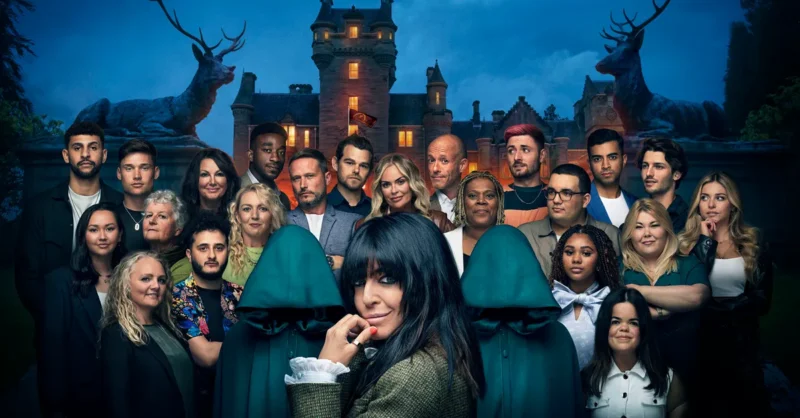
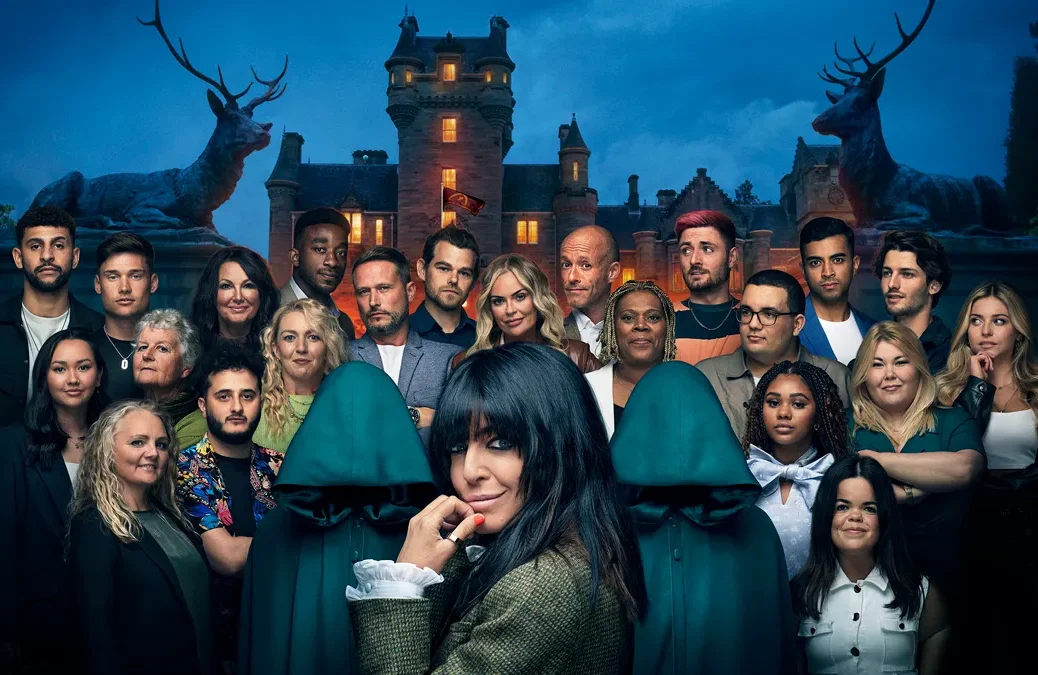
Watching The Traitors for the sociological insights sounds like saying you read Playboy for the articles. But the show is deeply revealing about modern Britain: contestants have learned to camouflage posh accents or jobs because they’re a surefire way to turn everyone against you. (In the last non-celeb series, the former diplomat Alexander Dragonetti came to regret vaguely offering, in plummy tones, to sacrifice himself for the collective.) In the new series, I enjoyed how the overconfident traitorous barrister Hugo was brought down by three middle-aged women. I suspect they may have run into a few Hugos before.
Still, the most compelling iteration of the show will always be the second season of the Australian version, in which an obvious bully rampaged through the sheep-like faithful, picking off anyone who stood up to him and cowing his fellow traitors into complicity. Watch that on iPlayer and you’ll understand how totalitarian societies take hold.
Mysteries and Maguire
One of the pleasures of working at the New Statesman is meeting impressive people at the start of their careers and getting to watch them soar. Patrick Maguire, who turned up at the NS with an astonishing knowledge of 1970s politics for someone who looked about 17, now has a free Substack alongside his day job as a Times columnist. Over there, he recently wrote that one of Labour’s problems is that its natural voters – the self-made working class – are “condescended to, patronised, undervalued, and endlessly moaned about by the people who define ‘work’ as Gmail, Teams calls and calendar invites”. It was a more insightful piece than Keir Starmer’s former adviser Paul Ovenden blaming Labour’s woes on the “Stakeholder State.”
My former deputy Caroline Crampton, meanwhile, has a podcast on detective novels, called Shedunnit. (Ask her anything about Georgette Heyer.) Her relentless advocacy for the genre has inspired me to revisit the Agatha Christie back catalogue. Sadly, I can’t remember which ones I’ve already read, so I keep getting 30 pages in and developing a strong intuition that someone is a wrong ‘un. On Caroline’s recommendation, I’ve also bought a book of stories about “Vienna’s Sherlock Holmes”, who has the unimprovable name of Dagobert Trostler.
Cashing out at Condé Nast
I was looking forward to the Netflix documentary The New Yorker at 100, because I love 8,000-word articles that begin, “On Thursday 7 November at precisely ten past three pm, in a small, grey-blue house in upstate Connecticut…” But by God was it boring. The most tension arose when two people argued about the placement of a comma. Instead, I’ve bought Michael Grynbaum’s Empire of the Elite, about the glory days of the New Yorker’s parent company, Condé Nast. In 2001, the Vanity Fair editor Graydon Carter let Annie Leibovitz spend $475,000 on a cover shoot of ten actresses. Just before the financial crash of 2008, one Condé Nast magazine spent $30,000 photographing an elephant just to make a pun in a headline. As ever, I feel like I got into journalism a decade too late.
Helen Lewis is a staff writer at the Atlantic and a former deputy editor of the New Statesman
[Further reading: What Keir Starmer said at the first cabinet of 2026]
Content from our partners