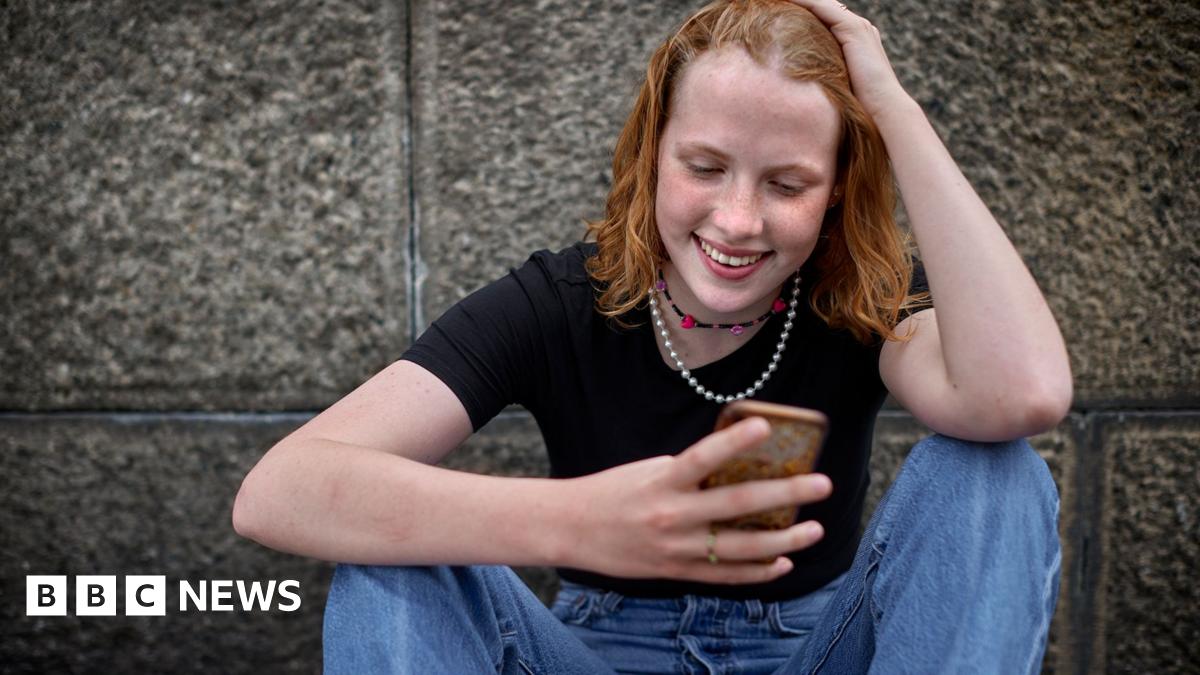
Almost all of the students at Meadow Park School in Coventry, which took part in the pilot during the summer, still came into school on results day to pick up their brown envelopes according to headteacher Bernadette Pettman.
“The traditional brown envelope moment is still an important milestone for students, it’s a chance to see friends, celebrate together, and connect with staff,” Pettman told the BBC.
Pepe Di’Iasio, general secretary of the Association of School and College Leaders, said it was important for young people to have an accessible record of their achievements but stressed that students should still collect exam results in person.
“This face-to-face contact not only allows them to celebrate with peers and teachers, but also to receive any advice or support they may require regarding next steps.”
“We are sure that school and college leaders will also welcome the administrative savings made possible as a result of this change, although this will only amount to a drop in the ocean compared to the funding pressures they remain under,” he added.
Students in Scotland, where there is a different set of exams for pupils at 16, have been able to get their results through an online app since 2019.
In Wales and Northern Ireland, where pupils sit GCSEs but the education system is politically devolved, no changes to the results prodecure have been announced.
Exams themselves do continue to evolve. Last month the exams watchdog in England, Ofqual, announced that around eight GCSE and A-level exams could switch from the traditional pen-and-paper method to on-screen assessments from 2030.
Teachers, exam boards and parents are being asked for their views on that proposal.
Ofqual’s chief regulator Sir Ian Bauckham says any changes to exams would have to be fair, fully tested and top quality.
Additional reporting by Rahib Khan