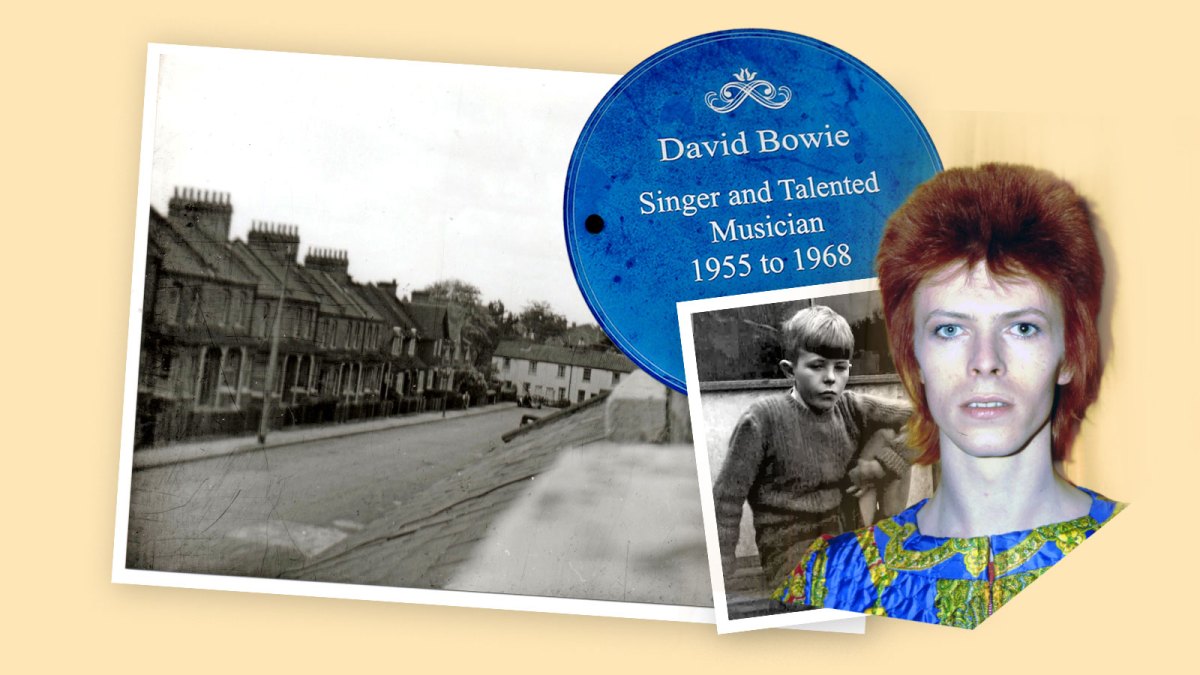
For a young David Bowie — or David Jones, as he was then known — his bedroom was his “entire world”.
“I had books up there, my music up there, my record player,” he recalled. Now fans of arguably Britain’s greatest rock star will be able to see that bedroom for themselves as his childhood home near Bromley, southeast London, is to be restored and opened to the public.
The Heritage of London Trust has purchased the unassuming terraced house at 4 Plaistow Grove in which a young and increasingly creative Jones spent 12 years, from the ages of eight to 20.
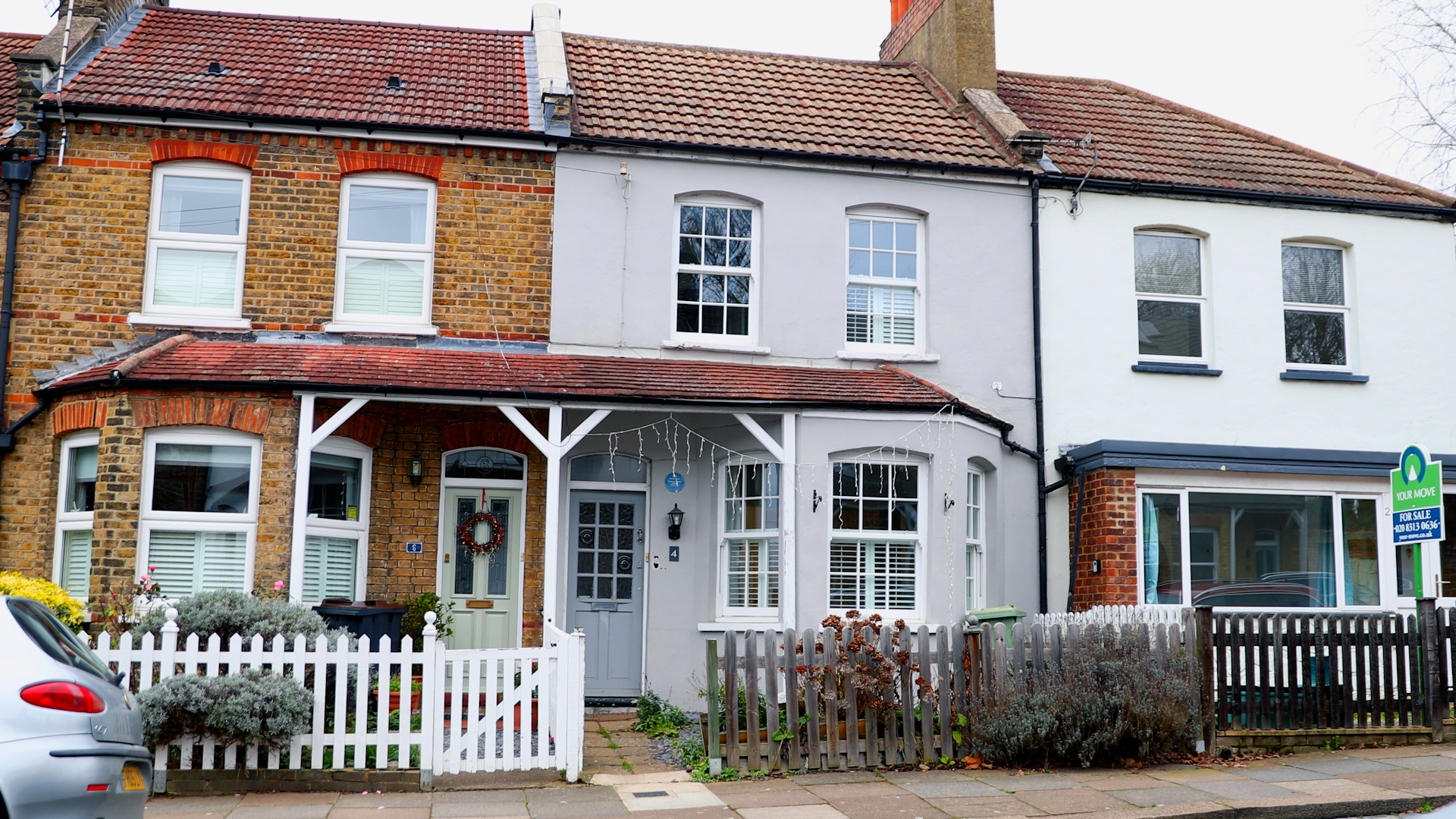
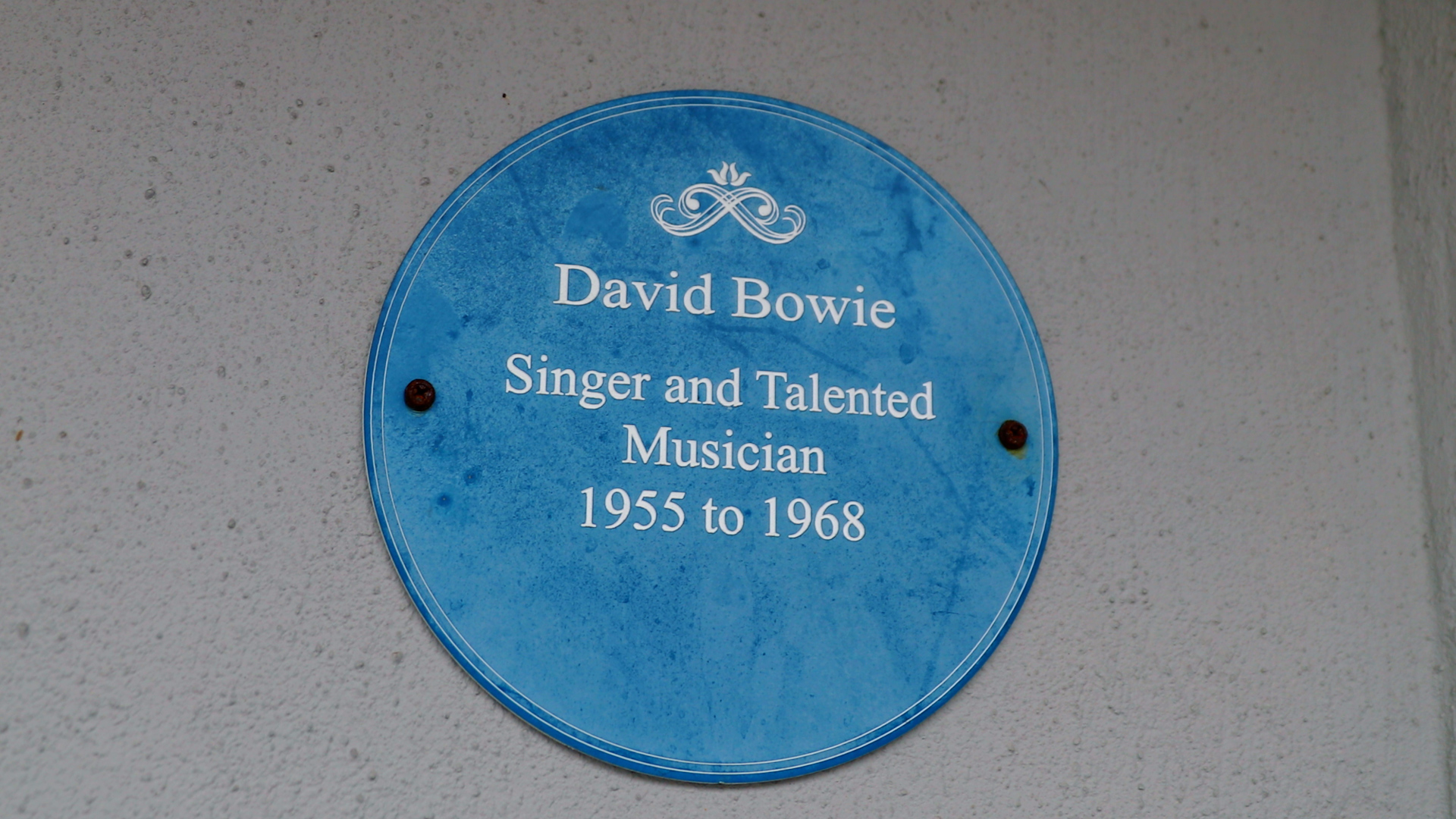
Bowie’s childhood home, centre, is marked by a blue plaque, below
In that room he first encountered the American-imported records that inspired his formative songs on his way to becoming a global star. His decades-long career ended with the release of the album Blackstar two days before his death in 2016.
The two-up, two-down railway worker’s cottage will be restored by the trust to its early 1960s appearance. Geoffrey Marsh, who co–curated the expansive Victoria and Albert Museum exhibition David Bowie Is in 2013, will lead the work using a never-before-seen archive as well as first-hand information from Bowie’s childhood friends.
George Underwood, an artist and musician who grew up with Bowie and helped design some of Bowie’s early album covers, said: “We spent so much time [in the house] together, listening to and playing music.
“I’ve heard a lot of people say David’s music saved them or changed their life. It’s amazing that he could do that and even more amazing that it all started here, from such small beginnings, in this house. We were dreamers, and look what he became.”
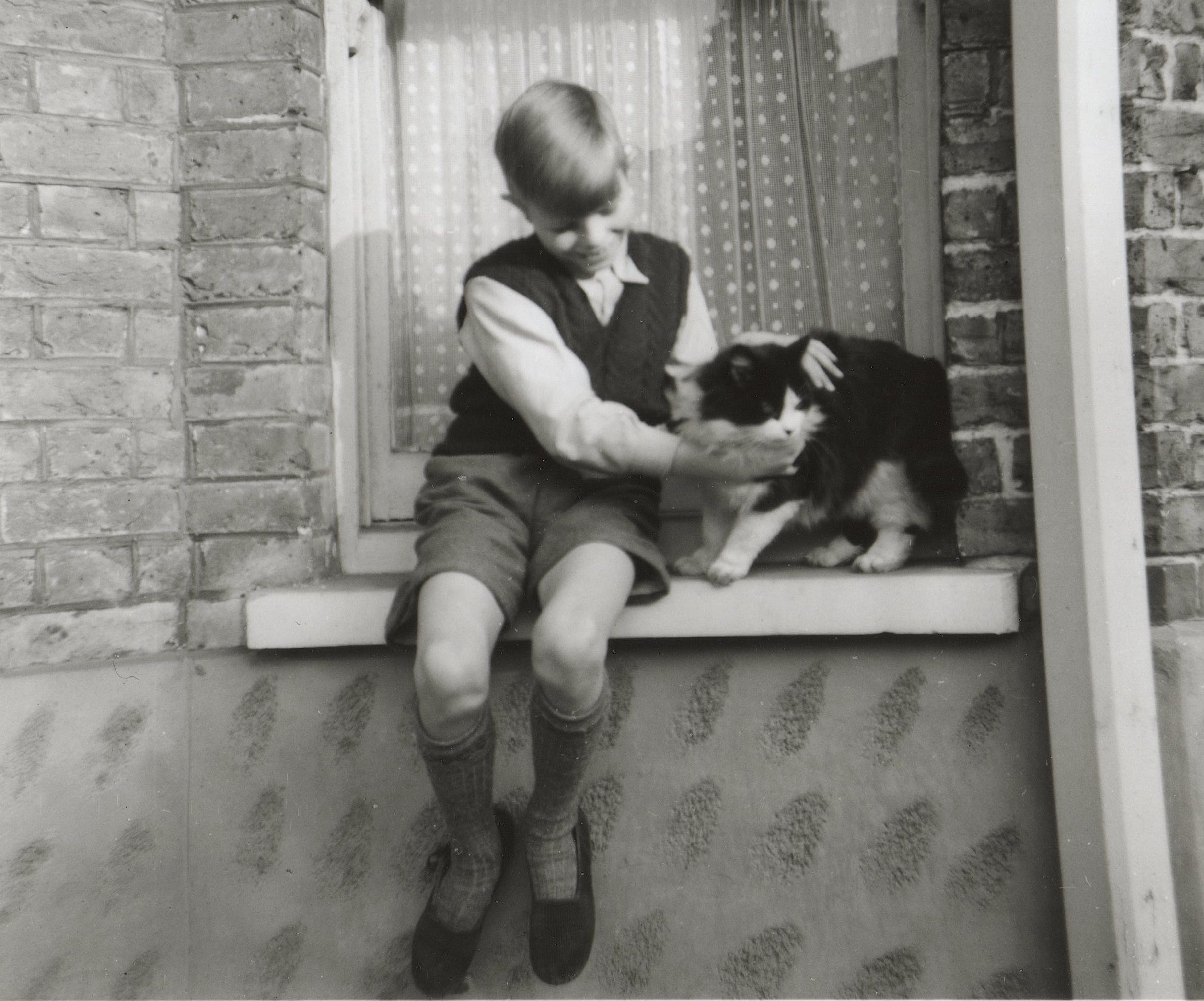
Bowie was born in Brixton, south London, before his father, who worked in PR for Barnardo’s, moved the family to Bromley.
• The real David Bowie — by eight insiders who knew him best
The purchase and restoration has been part-funded by a £500,000 grant from the Jones Day Foundation, a charitable foundation funded by lawyers and staff of the Jones Day law firm, with a public fundraising campaign also launching this month.
When completed in late 2027, the site will host creative and skills workshops for young people.
Dr Nicola Stacey, director of the Heritage of London Trust, said: “David Bowie was a proud Londoner. Even though his career took him all over the world, he always remembered where he came from and the community that supported him as he grew up. It’s wonderful to have this opportunity to tell his story and inspire a new generation of young people, and it’s really important for the heritage of London to preserve this site.”
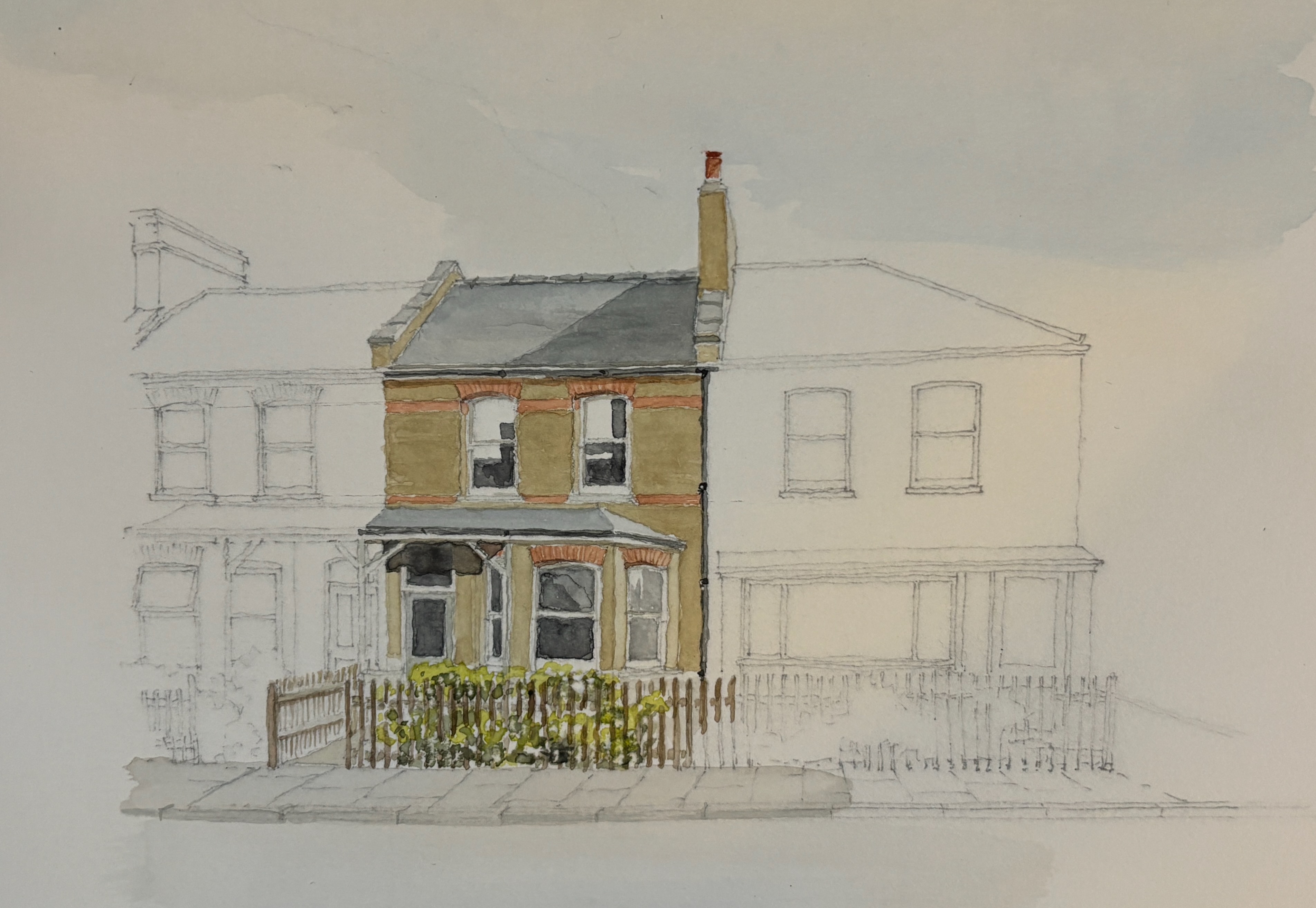
An architect’s drawing showing how the house will look when restored
JULIAN HARRAP ARCHITECTS
The Times columnist and author Caitlin Moran said: “The most exciting place for any fan to visit is their hero’s teenage bedroom — because that’s the cocoon where they built themselves. All the world-changing started there. The chance for us all to walk through a newly opened door, and see the suburban launchpad from which David Bowie almost literally took off into space, is beyond thrilling.”
The shapeshifting rocker’s relationship with the suburbs was not always easy. His childhood was marked by a desire to escape and journeys into central London and Denmark Street signalled where his life would go.
But despite his at best agnostic relationship with Bromley, Bowie’s particular disgust was reserved for Croydon — Bromley’s suburban rival to the west.
“It represented everything I didn’t want in my life, everything I wanted to get away from,” he said in 1999. “I think it’s the most derogatory thing I can say about somebody or something: ‘God, it’s so f***ing Croydon!’”