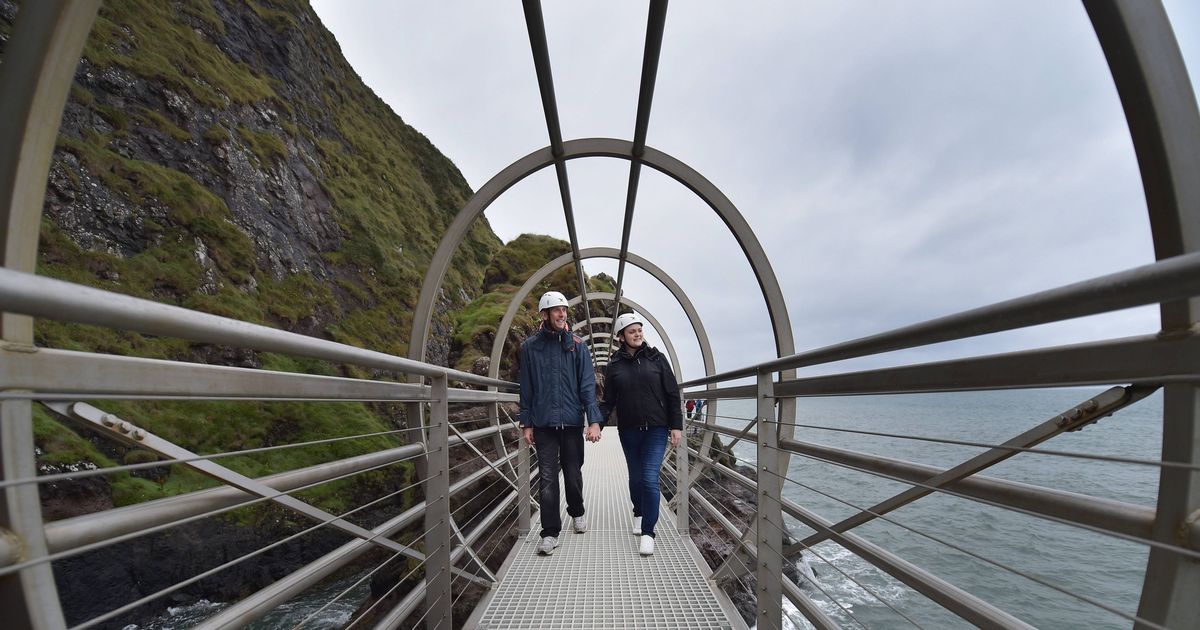
The cliff path has been named the UK’s cleanest walking trail by Independent Cottages, featuring spectacular bridges and dramatic coastal views, but it is impacted by rockfall
Milo Boyd Digital Travel Editor and Commercial Content Lead
02:39, 10 Jan 2026
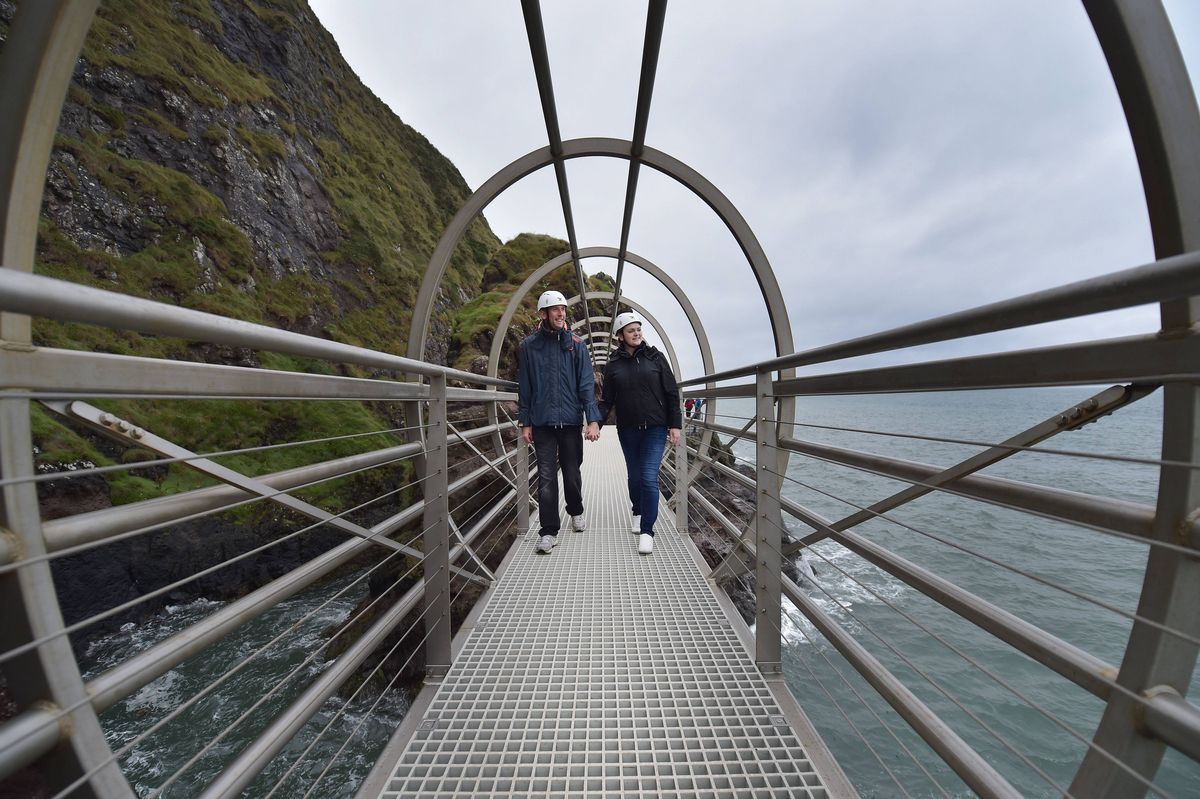
The Gobbins has amazing views(Image: Charles McQuillan, Getty Images)
The Gobbins, a thrilling cliff path in County Antrim, Northern Ireland, has been crowned the cleanest hiking trail in the UK.
This unique and awe-inspiring route, which stretches for three miles along the treacherous cliffs of County Antrim, topped the list of the UK’s cleanest walking trails by Independent Cottages. The ranking was based on over 1,300 reviews, none of which mentioned any uncleanliness.
The Gobbins is a geological wonderland, shaped by powerful natural forces and further sculpted by the elements. Today, it teems with life and has been captivating adventurous visitors for more than a hundred years.
The story of the Gobbins began around 200 million years ago when the Earth’s continents were united as the supercontinent Pangaea. The area that would become northeast Ireland was submerged under a warm, shallow sea.
Algae and single-celled organisms thrived in these waters, their calcium carbonate shells accumulating on the seafloor over time to form a layer of limestone, reports the Express.
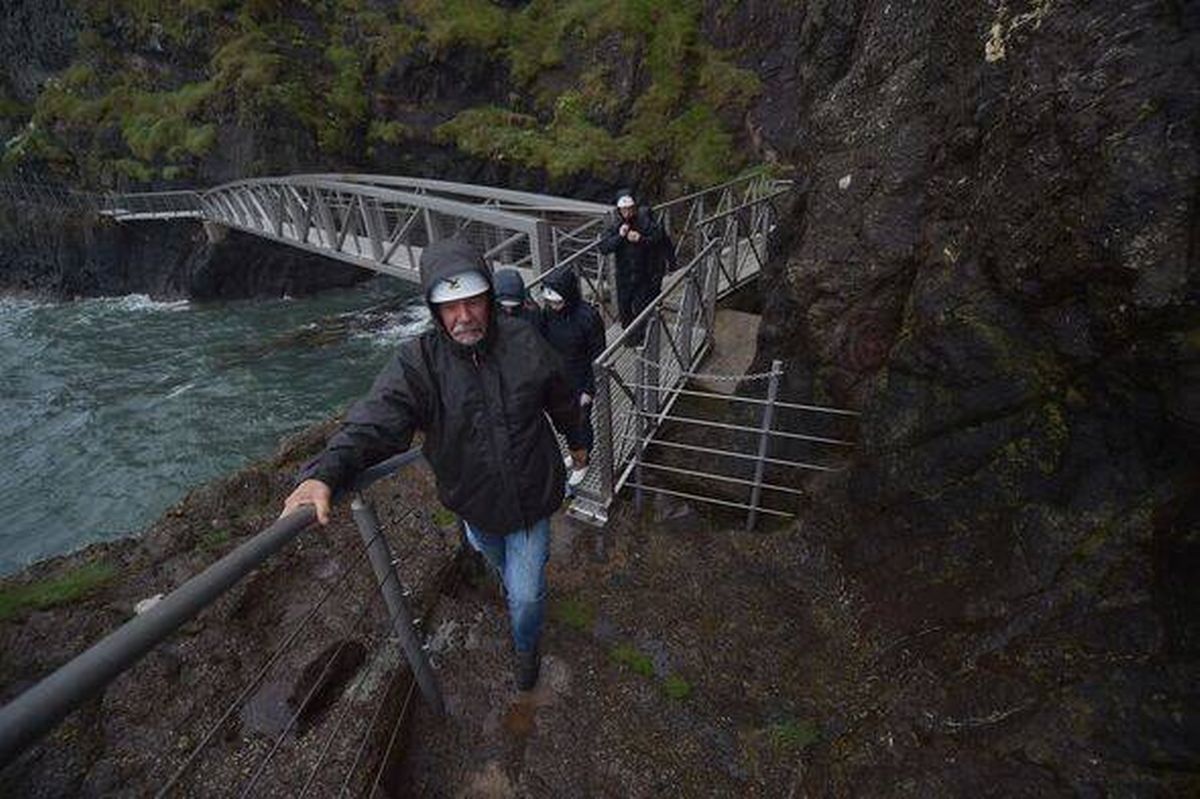
The path attracts huge numbers of visitors each year(Image: Getty)
This limestone layer is responsible for the coastlines and caves found across Ireland today. It also forms the base of the Gobbins’ remarkable rock formations.
Above this limestone lies basalt, a product of eruptions from now-extinct volcanoes. This basalt has been fractured and moulded by the movement of tectonic plates as Pangaea split apart, and later by vast ice sheets during ice ages.
The outcome is one of the most striking stretches of coastline in the British Isles, providing a multitude of habitats for various birds and marine life. For instance, the Gobbins is home to Northern Ireland’s only mainland puffin colony, which nestles into the cliff-side soils disturbed by glaciers.
“Guillemots, razorbills, cormorants, and kittiwakes make their homes high in the rocks and scan the waters from perches on the sea stacks. The depths teem with fish, feeding in the plankton-rich waters of the North Channel. Lion’s Mane jellyfish, one of the largest such species, migrate through here, providing prey for seals, porpoises and other marine mammals,” states the official Gobbins Cliff Path website.
“Low tide reveals the rockpools beneath the path, a habitat for molluscs, sponges and peculiar nodules of red seaweed. Spleenwort ferns, kidney vetch, and sea campion cling to cracks in the rocks or secure patches of volcanic soil.”
The natural splendour of the area has made it a must-see trail for walkers, first attracting large numbers of nature enthusiasts and day-trippers during the Victorian era. Berkeley Deane Wise played a significant role in shaping the Gobbins as we know it today.
The civil engineer, who had ascended to the position of Chief Engineer of the Belfast and County Down Railway and had devised an innovative signalling system that reduced collisions on his lines, was passionate about safety and captivating design.
His portfolio includes Portrush’s distinctive mock Tudor structure and clock tower, alongside Glenariff Forest’s pathways and tearoom, which offer superb vistas of the woodland and cascading waterfalls. However, The Gobbins Cliff Path stands out as his crowning achievement, perfectly showcasing his brilliance as an engineer dedicated to making remarkable experiences accessible to everyday folk.
Construction commenced in 1901 and stretched over several years, given the challenges of transporting steel girder bridges manufactured in Belfast via barges and rafts. These structures were subsequently hauled into position using cables lowered from the cliff edge.
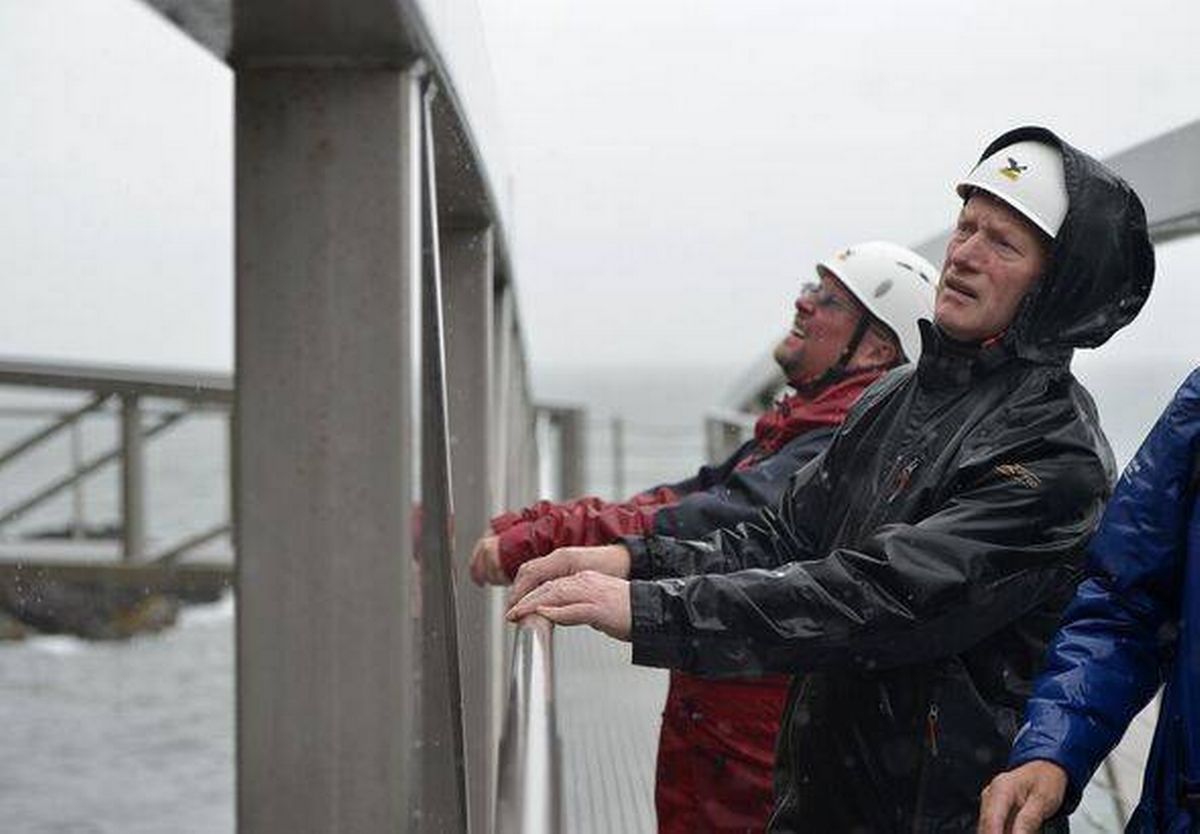
The path is currently closed due to rock fall(Image: Getty)
The path became an enormous hit, drawing substantial numbers of tourists from throughout the British Isles. “There is, in short, nothing like The Gobbins anywhere else in the world,” noted a writer in the Proceedings of the British Association in 1902.
A reporter for The Sketch observed: “Surely there is something in the influence of the Irish climate which acts upon the rocks. The tints are softer and deeper. The very air is laden with poetry.”
Regrettably, the Gobbins route is currently shut owing to rockfall. Those considering a trip should consult the official website for the latest information on its availability.