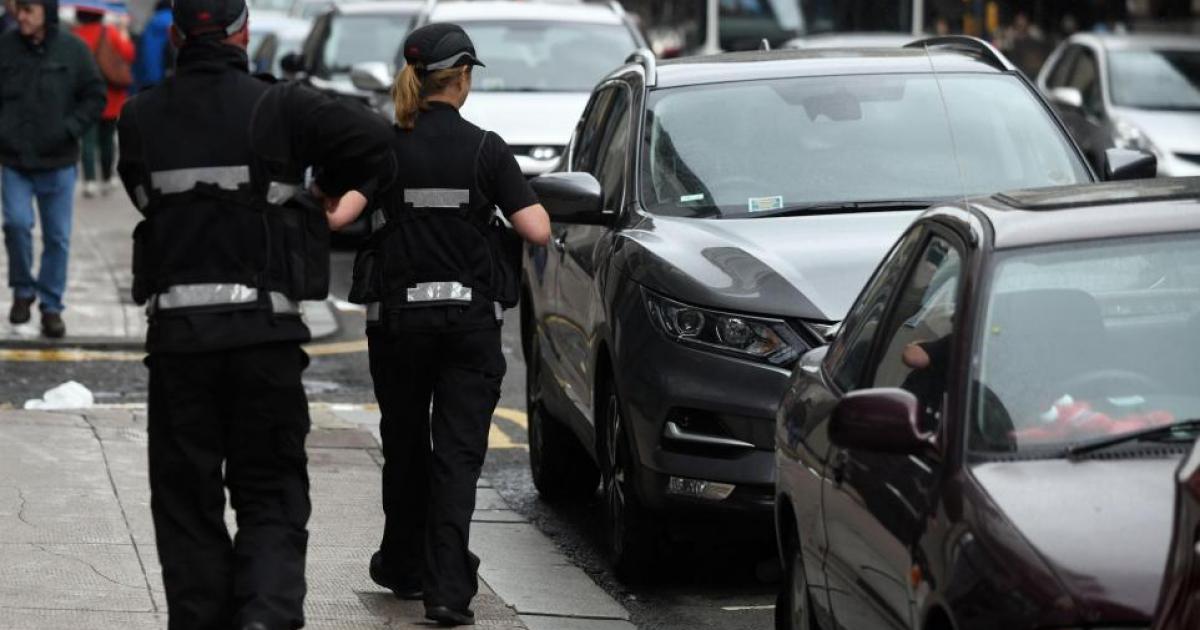
Frontline workers in Glasgow say levels of verbal and physical intimidation have increased dramatically in recent years after the Covid lockdowns.
One experienced parking attendant told our sister title The Herald abuse and assaults have become a daily part of his job.
He said: “People seem to be far more angry and short-tempered. It’s like they are on a hair-trigger. There is definitely more abuse, anger, and frustration.
Read More:
Local volunteers invited to take part in churchyard clean-up
Woman treated in hospital after being attacked by man in park
Former MP Mhairi Black gets nickname ‘Meryl McStreep’ after first acting role
“Sometimes it’s the driver coming back to the car and getting in your face, sometimes it’s just people passing shouting the odds.
“It’s usually verbal which is bad enough but I’ve had people grab me, push me. It’s frightening.
“It happens all the time. You develop a thick skin but it wears you down. The stress is constant. Your eyes are on swivel constantly, checking who’s around, who might kick off.
“Perhaps people were on their own too long during lockdown but it’s like the old rules of social interaction have gone out the window. There is no tolerance or patience.
“We are just out there doing a job but the abuse is unbelievable, relentless, every day.”
Staff are calling for engagement with Glasgow City Council over the way risk is assessed in the city centre, which has a blanket designation.
They say that in some areas, particularly after dark, the threat can feel much higher.
Read More:
First Bus issue update about possible strikes in Glasgow next week
Further four weeks of strike action by cinema staff begins
Five independent Glasgow ice cream shops launch new ‘passport tour’
Work begins on a significant new 160-home development next to Ibrox
One parking attendant said: “All of the city centre is classed as of equal risk but that is not our experience at all.
“We are told nowhere in the centre is more than 25 minutes from base but that’s a long 25 minutes if you are out on your own and being threatened or worse.
“If you are on your own after dark and in a deserted street or surrounded by high rise flats, it can feel very far from your colleagues, isolated and dangerous.”
Another said: “Managers treat incidents seriously once something has happened and we’ll be offered counselling, taken off the street, and supported if we want to involve the police or take it further.
“But prevention is better than cure. They need to engage with us to properly assess the risks and manage them better. It is far more cost effective to reduce the risks than have staff going off because of the stress.
“It’s bad enough for men but the women get all sorts of sexist abuse, threats of sexual assault, it’s awful.
“Women politicians have rightly raised the alarm about the abuse they get online but this is happening to women working with the public in Scotland’s biggest city and they are just expected to shrug it off?”
John Slaven, GMB Scotland organiser at Glasgow City Council, said the council must address the rising toll of abuse on the parking enforcement team.
He said: “No other workers would be expected to endure the aggression and threatening behaviour routinely suffered by parking attendants.
“It is absolutely unacceptable, risks their physical safety and mental health, must be addressed as a matter of urgency.
“The council cannot be held responsible for the unacceptable behaviour of the public but it can properly recognise the pressures of what is a hugely difficult and demanding job, minimise the risks and reduce the stress.”
A Glasgow City Council spokesperson said: “Any abuse or violence directed towards our parking enforcement staff is completely unacceptable.
“Parking controls are crucial for the effective and efficient operation of the city’s roads network.
“Our parking attendants help to ease the congestion caused by poor parking behaviour, ensure a turnover in the availability of parking spaces and support the effort to make our streets as safe as possible.
“We regularly meet with the trade unions to discuss the risk of violence against our staff and our parking team is included in this dialogue, which includes a focus on training and the response to incidents.
“Staff are always encouraged to report any incidents and support for anyone affected by incident is available through our occupational health service.’