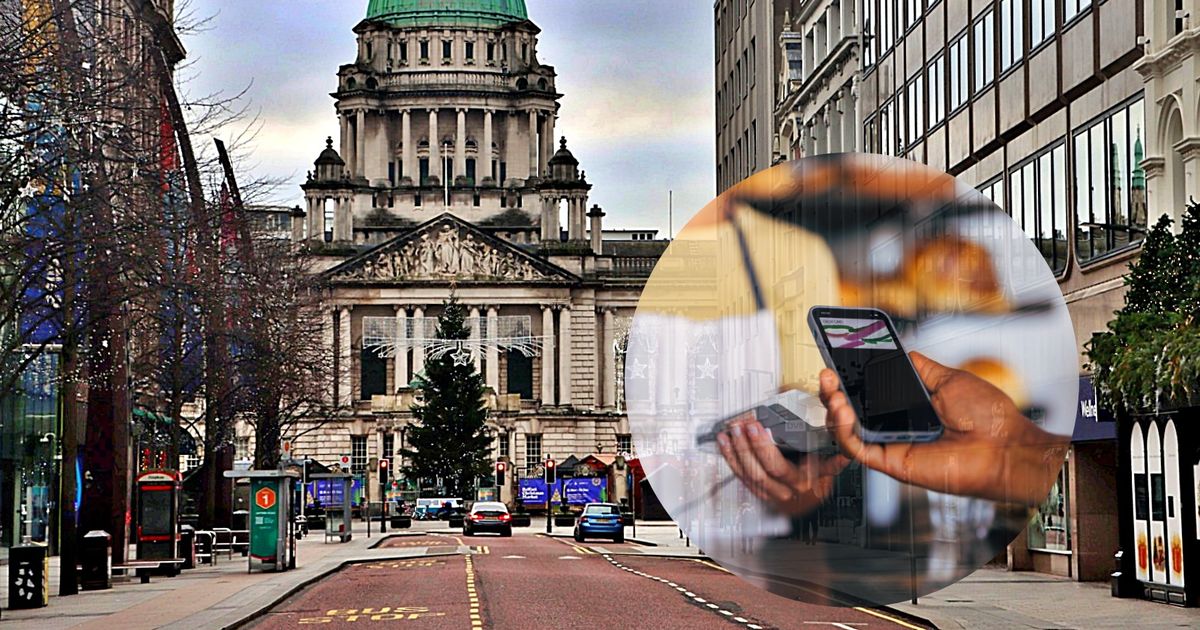
A growing number of businesses in Belfast are no longer accepting cash, and the ability to pay for goods or services in this traditional way is slowly disappearing before our eyes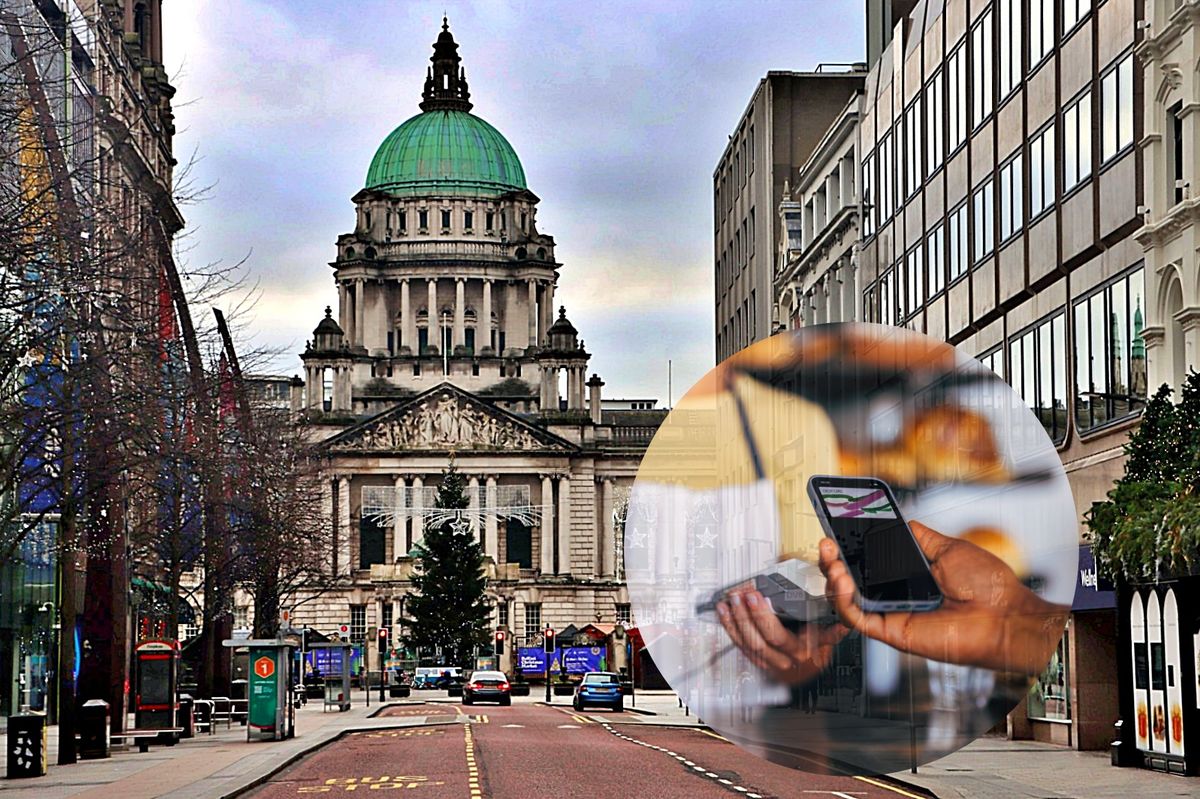
Businesses demanding cashless payments are becoming more common(Image: Rob Currell)
Consumers in Belfast are increasingly being told they can no longer pay with cash in a growing number of outlets — as more businesses across the city move to contactless payments.
Belfast Live is examining the trend in detail and will be publishing a series of reports over the coming weeks exploring why the shift is happening, who it affects, and what it could mean for consumers in Northern Ireland.Early findings suggest the move towards cashless payments is accelerating across several sectors, with retail, hospitality, leisure services and tourism leading the way. Around the city, the familiar sound of coins changing hands is being replaced by the digital beep of contactless machines, as signs indicating a move away from cash become increasingly common.
READ MORE: Children left “extremely frightened” after men smash their way into homeREAD MORE: Father and son arrested after Auto Crime Team uncovers drugs, cash, and false plates
The practice is being implemented by a range of different operators, from national giants to smaller shops. While Northern Ireland continues to rely on cash more than many other parts of the UK, the direction of travel is clear. At the moment, cash remains viable in many places, but businesses are within their rights to refuse it — and some are already choosing to do so for a variety of reasons.
Cash has been used in various forms for thousands of years, from ancient metal coins to the paper banknotes that became widespread in Europe several centuries ago. While electronic payments have grown steadily since the late 20th century, contactless cards only began to appear in the UK in the mid‑2000s and were still a minority choice before 2020. During the coronavirus Covid‑19 pandemic, however, worries about handling notes and coins, alongside social‑distancing rules and a higher contactless limit, meant many shops actively encouraged “tap to pay”. Contactless quickly moved from a convenient option to the default way many people paid for everyday purchases.
Subsequently, the use of cash has fallen sharply in the United Kingdom in recent times. But, while cash use has declined significantly in certain parts of the country, Northern Ireland remains more cash‑reliant than many other regions.
According to Link, Northern Ireland was the most cash heavy part of the UK in 2024. During that year, banking customers in Northern Ireland withdrew an average of £2,274. The second and third cash heaviest regions in the same period were Yorkshire and the Humber (£1,696) and the North-East (£1,682).
For a growing proportion of the population, paying digitally has become second nature.However, it is evident that a significant number of people in Northern Ireland still prefer physical currency. Paying by note or coin remains popular among older residents, as well as those living in rural communities where access to digital infrastructure, reliable mobile signal or banking services can be more limited.The ongoing closure of bank branches on high streets is also playing a role in a move away from cash. With fewer physical banks available, both customers and businesses are increasingly reliant on digital payment systems. For some businesses, security concerns are another factor, as holding large amounts of cash on-site can pose risks — something contactless payments help to reduce.
Late last year, NI’s Finance Minister John O’Dowd hosted a banking roundtable at Stormont to discuss citizen’s access to cash.
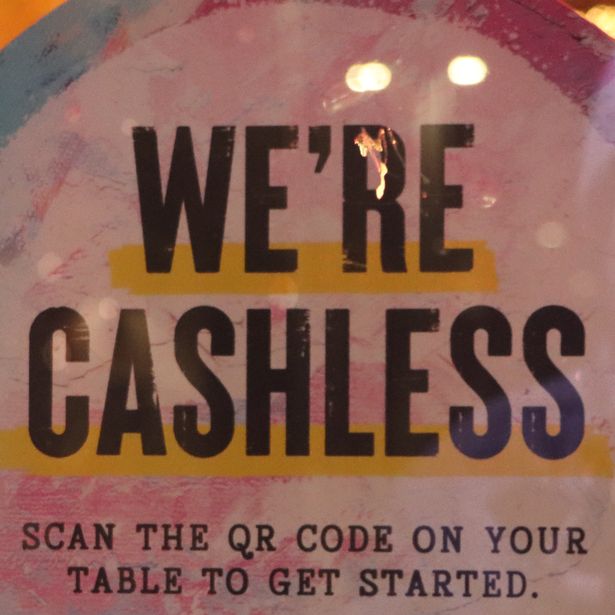
Cashless sign on the door of a business in Belfast (Image: Rob Currell)
He said: “I pressed on the sector the importance of maintaining access to cash and essential banking services in our local communities, especially for our most vulnerable citizens who need in-person advice and services, as well as our small businesses and community and voluntary groups.
“Over the past decade, almost two out of every three traditional bank branches in our communities have closed or are planning to close. That represents a significant change to the social fabric of our towns and villages – particularly for our many rural citizens.”
A significant portion of UK adults now live largely cashless lives, relying on contactless cards and mobile payments for everyday purchases. But as digital payments become the default for many, questions are being raised about accessibility, consumer choice and whether some people risk being left behind as cash continues to disappear from the high street.
Consumer advocates have raised concerns that people’s ability to choose how they pay may be diminishing, as the option to use cash on the high street appears to be quietly eroding.
In the weeks ahead, Belfast Live will explore this issue in more detail as we seek answers from businesses, campaigners and others to determine whether the move towards cashless payments across the board is inevitable.What do you think about the decline of cash in Belfast? Are you a business or a consumer that wants to add to the series? Email Rob.Currell@reachplc.com
For all the latest news, visit the Belfast Live homepage here and sign up to our daily newsletter here.