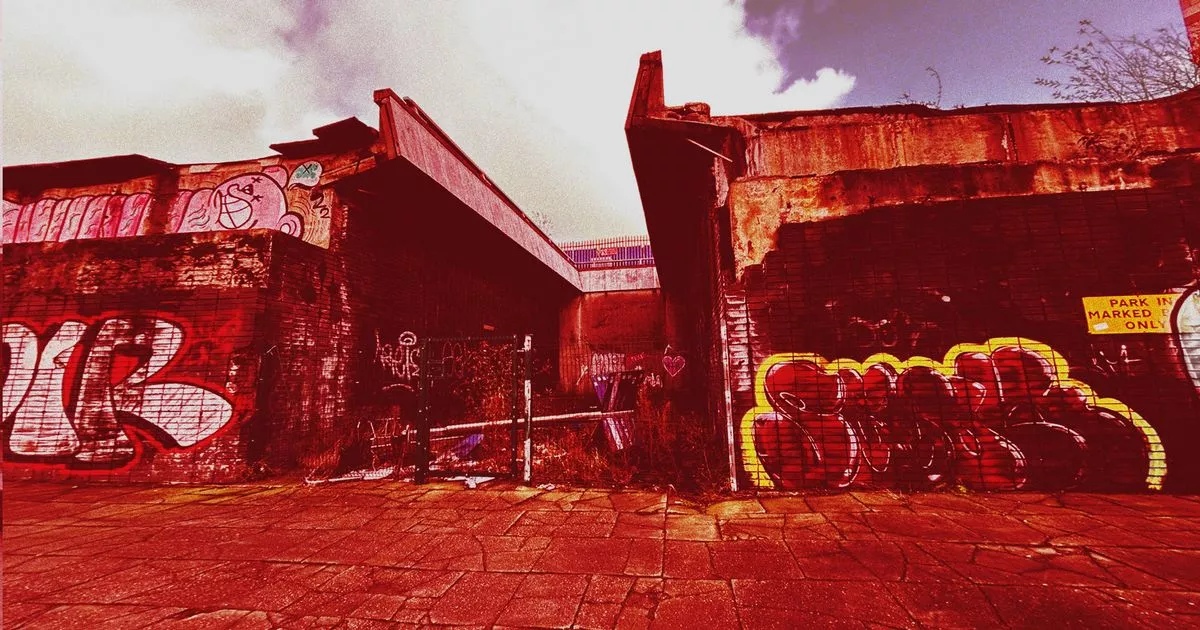
The ECHO has been investigating plans for the remainder of the former structures – with intriguing new details revealed
13:33, 11 Jan 2026Updated 14:36, 11 Jan 2026
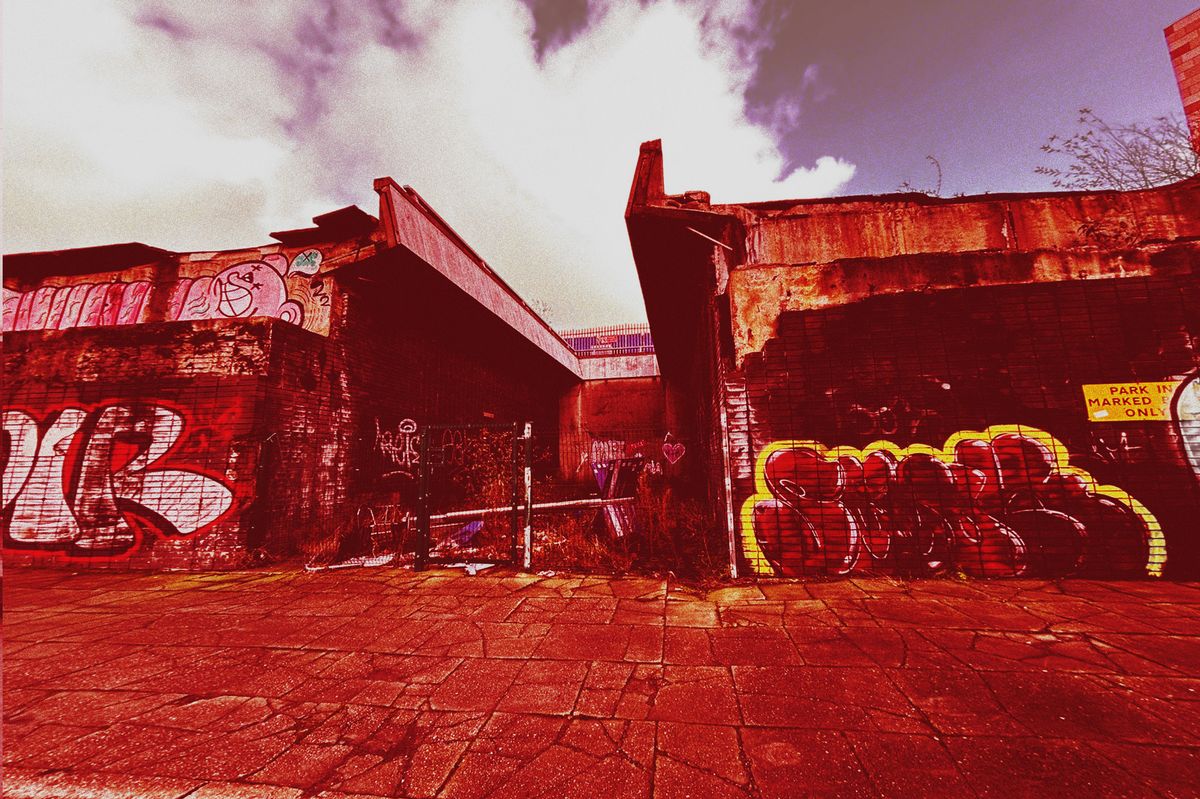
One of the abutments of the Churchill Way Flyovers (Image: )
For a long period of time, the sight of the Churchill Way Flyovers was a dominant one across Liverpool city centre. Initially opened in 1970, the huge, 240m long structures were formed as part of an inner city ring road scheme that was later scrapped. However, the flyovers did provide connections between Lime Street, Dale Street and the city centre for many years, running behind the city’s famous museums and galleries in William Brown Street.
In 2019, however, they were pulled down after inspections deemed they were unsafe. But while the majority of the brutalist structures were removed, large support structures – or abutments – have remained left in place for the six years since that demolition work.
It is fair to say that these remaining structures, based next to Byrom Street and Hunter Street, have become something of an eyesore.
When the ECHO went to explore the area this week, we found the abutments to be covered in graffiti and grime, with the areas in between littered with fly-tipping and dumped waste. All this at what is a key gateway to the city.
But we weren’t in the location merely to admire the admittedly unpleasant view. We were following up on a fascinating lead.
We have been asking the city council for some time about when the remaining chunks of the Churchill Way Flyovers will be removed and what will happen to the wider area.
Only some of these questions have been answered.
Eyesore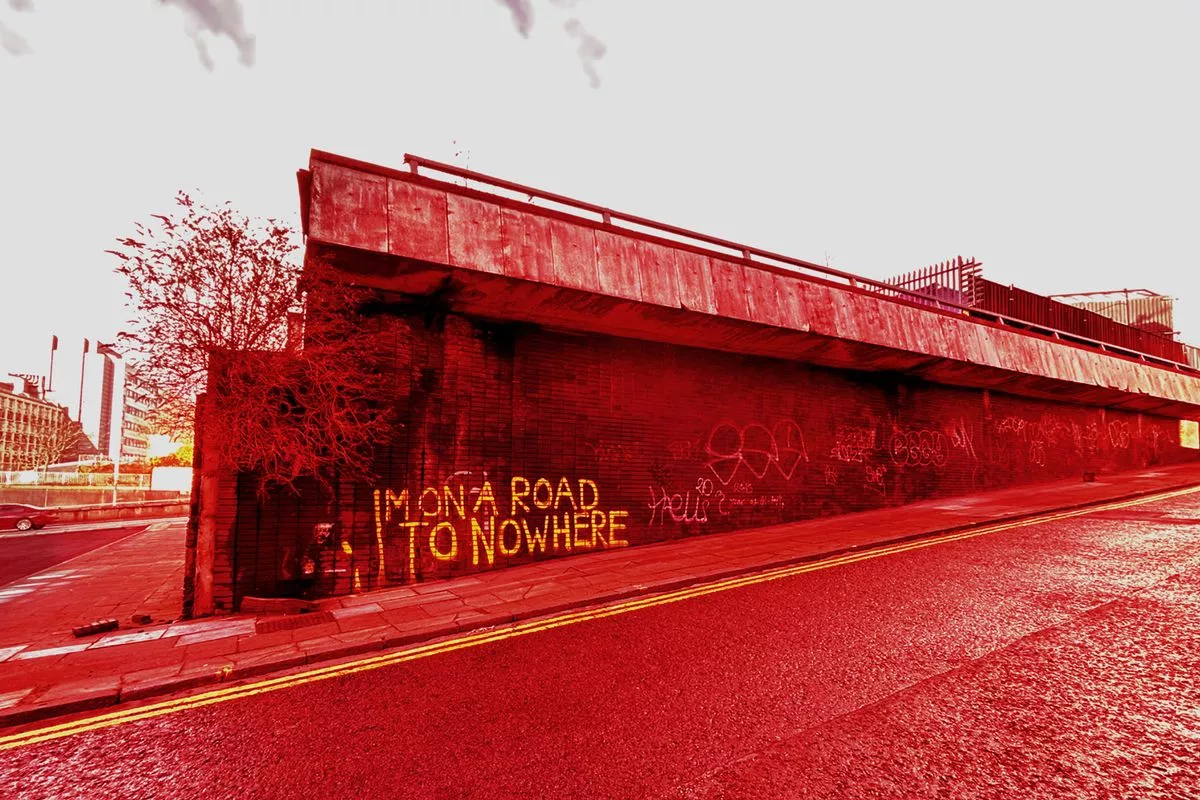
One of the abutments of the Churchill Way Flyovers (Image: )
Last year, the local authority revealed major plans for the area it calls The St George’s Gateway. This is a 35-hectare area that covers land reaching from Lime Street through to William Brown Street and including the famous museums and galleries of William Brown Street.
The area has been identified as presenting one of Liverpool’s “most significant regeneration opportunities” with “huge development potential to be unlocked” due to the removal of the Churchill Way Flyovers.
A team of experts have now been put in place to see how this area can be regenerated – which is great news.
But what about the abutments? A phrase you may never have expected to heard cried out.
Well when we last asked the council about the removal of these eyesore structures, we got a very muted response.
However, since then, a number of sources have revealed something that they say may be delaying – or complicating – the removal of these huge behemoths.
Sources have told the ECHO that one of these abutments, the one that sits behind Liverpool’s Central Library and runs alongside Hunter Street, actually stores some pretty important equipment inside it.
Key reason
This equipment, we are told, is rather important when it comes to the operation of traffic signals in the city centre. On our journey to check out said abutment this week, there are heavy locked doors that presumably lead you into this nerve centre.
It has been claimed that the storage of this equipment is a key reason why the structures have not been removed, six years on from the demolition of the flyovers.
We put what our sources had told us to the council and they did not deny the fact that the traffic signal equipment is housed there.
However, we were told that while this is a complicating factor, it is not the key reason for such a lack of action in the area in recent years.

One of the abutments of the Churchill Way Flyovers (Image: )
They said instead that the decision not to remove the flyover abutments is more related to the formation of the wider plan for the regeneration of this key Liverpool gateway.
We were also told that the local authority, understanding the frustration at its current state, is now looking at ways to improve the aesthetics of the area, while the longer term plans are developed.
In terms of that longer term plan, It is hoped that a new planning framework will now be delivered to unlock development plots, create greener public spaces, pedestrianize streets and improve connectivity between the cultural quarter and the city centre.
A public consultation and engagement exercise on the plans has now concluded, with the views of the public now being worked through to help form the new Supplementary Planning Document for the area.
This document is expected to be presented to Liverpool Council’s cabinet in the first half of 2026 for approval, marking a major step in the redesign of the city’s northern gateway.
But the question of when the flyover’s abutments – and the secret traffic signals that we now know lie within them – will be removed, remains unanswered for now.