From much-missed shops and scrapped attractions to lost restaurants, fun fairs and even water parks – plenty has changed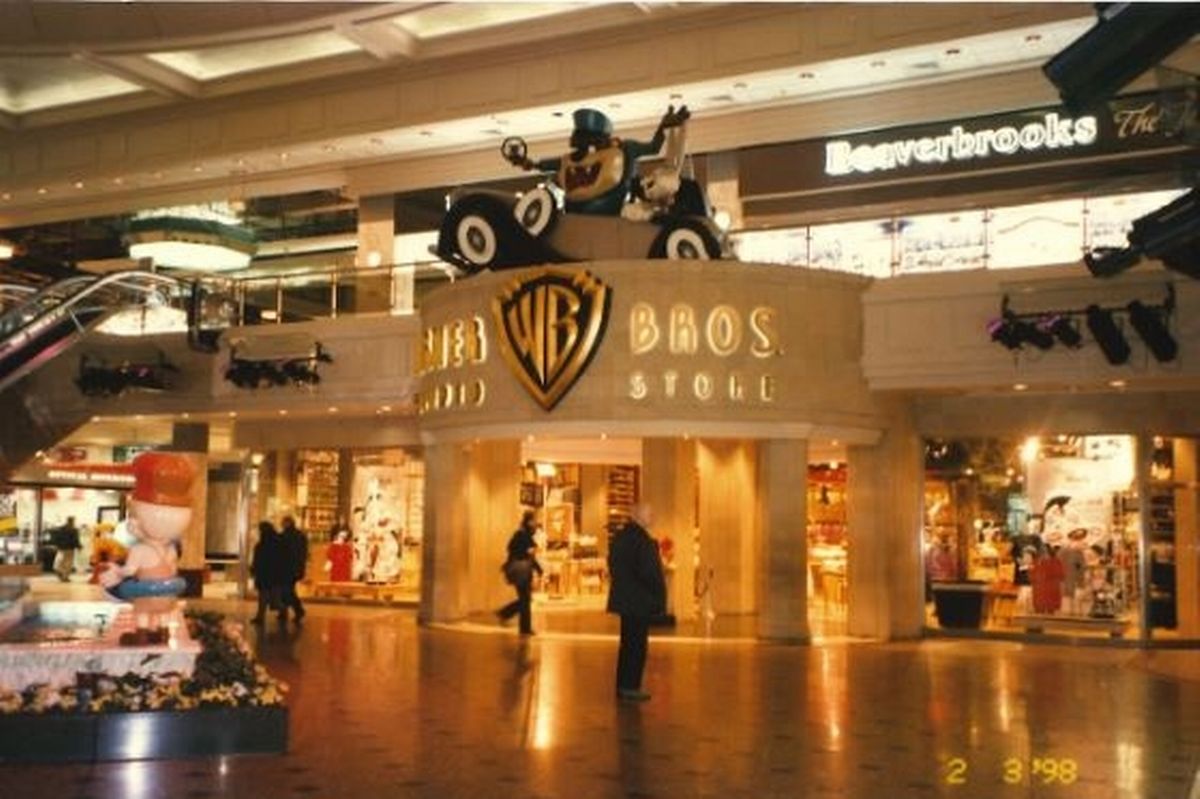
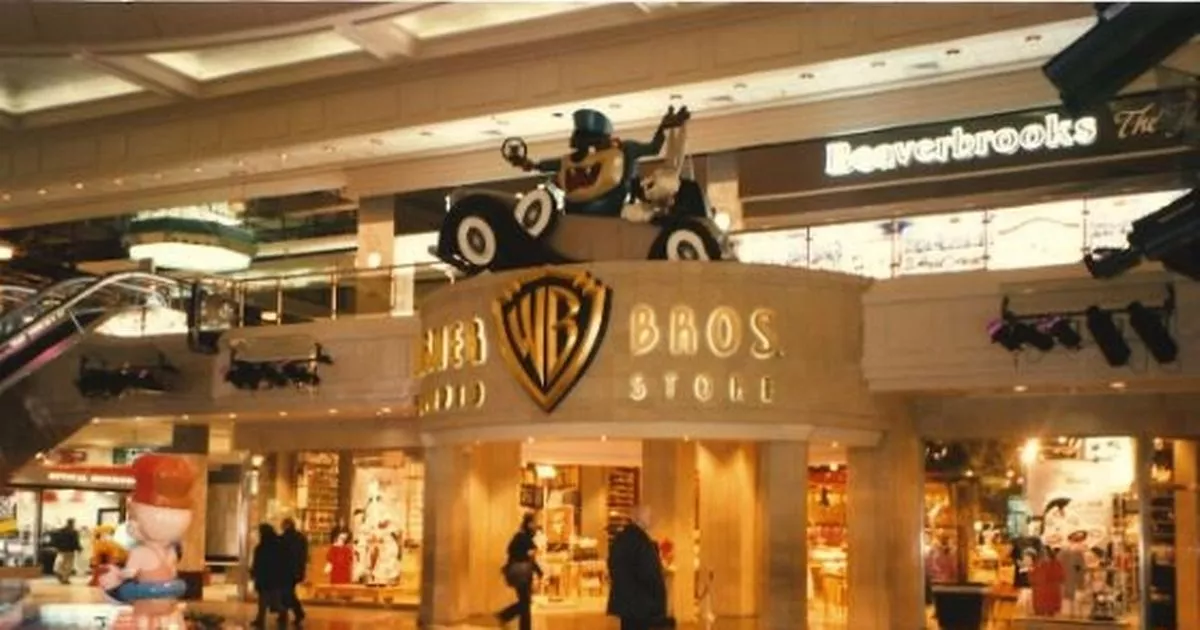
The Warner Bros store in Manchester Arndale(Image: Manchester Arndale)
If you’ve lived in Manchester long enough, you’ll know the feeling: you turn a corner, and your brain still expects something to be there.
Perhaps a shop you used to wander into “just for a look”, or a restaurant you swore you’d go back to (and never did). Maybe a brilliant attraction that felt like it would be there forever – until, suddenly, it didn’t.
Manchester reinvents itself fast. That’s part of the city’s charm. But it also means whole slices of everyday life can disappear almost overnight, leaving behind nothing more than a faded sign, an old photo, or a story you end up telling the younger lot who look at you like you’ve made it up.
So to celebrate these lost moments, we’re taking a look back at 10 things you used to be able to do in Manchester but can’t anymore – from much-missed shops and scrapped attractions to lost restaurants, fun fairs and even water parks.
Shop in Woolworths, Paulden’s or Lewis’s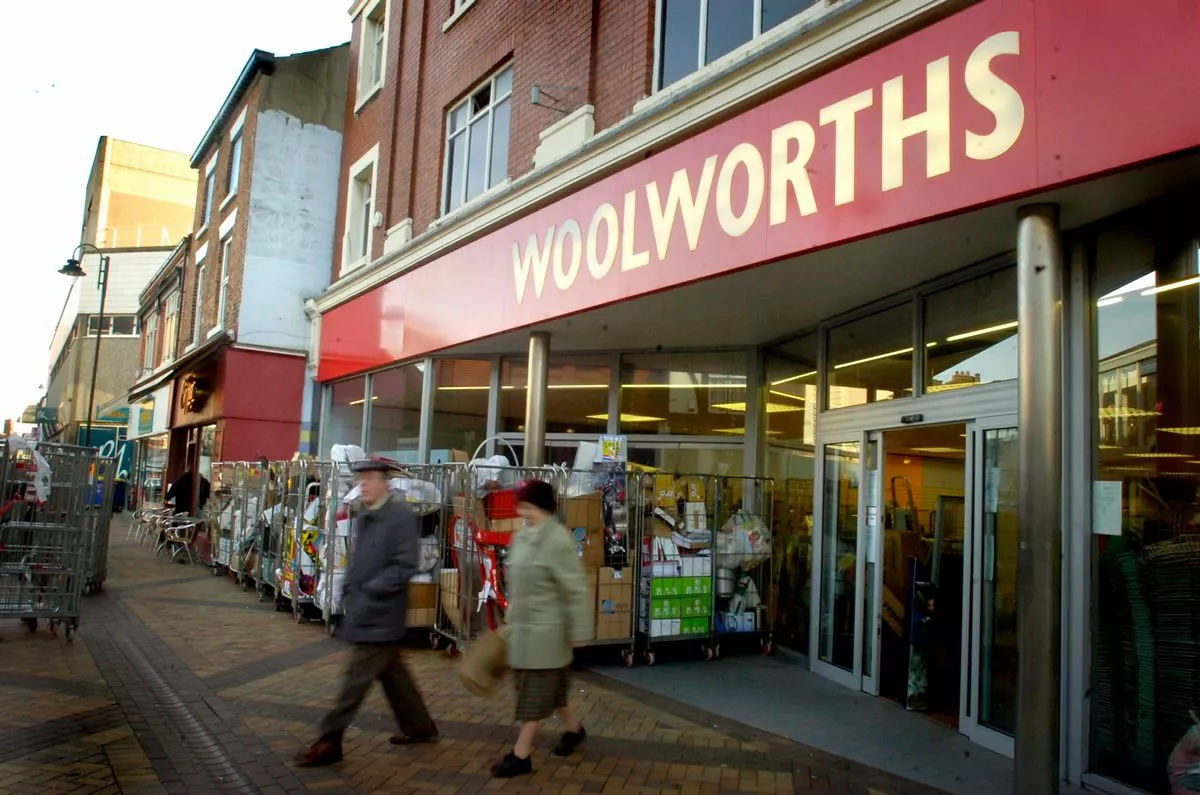
Everybody loved the pick’n’mix at Woollies(Image: )
In Greater Manchester in the late 1960s, when the chain was at its most successful, there was a Woolworths in nearly every town centre and shopping precinct, with over 1,000 shops nationwide. But by 2009, Woollies had disappeared from our high streets.
Lewis’s stood proudly on the corner of Piccadilly Gardens – as one of the city’s first department stores – opening in 1877. The Manchester store also included a full-scale ballroom on the fifth floor. The company went into administration in 1991.
As a result, Liverpool competitor Owen Owen bought up several branches of Lewis’s, but kept the name. The Manchester store finally closed in 2001.
Paulden’s was another iconic city centre department store, marking a landmark turning point in shopping and building design. Opening in the 1860s, the original store on Cavendish Street offered a completely new and luxurious shopping experience to the people of Manchester.
Notably, the huge store was the first in the UK to be fitted with electric lighting, escalators, lifts and plate glass windows. Paulden’s underwent a huge refurbishment in 1957, but days before it was due to reopen, it was gutted by fire.
After the fire, in 1959, Paulden’s reopened in the former Rylands Warehouse on Market Street. Debenhams eventually took over and rebranded Paulden’s, but it went into administration in 2020, and the building has remained empty since then.
Catch a bus from under the Arndale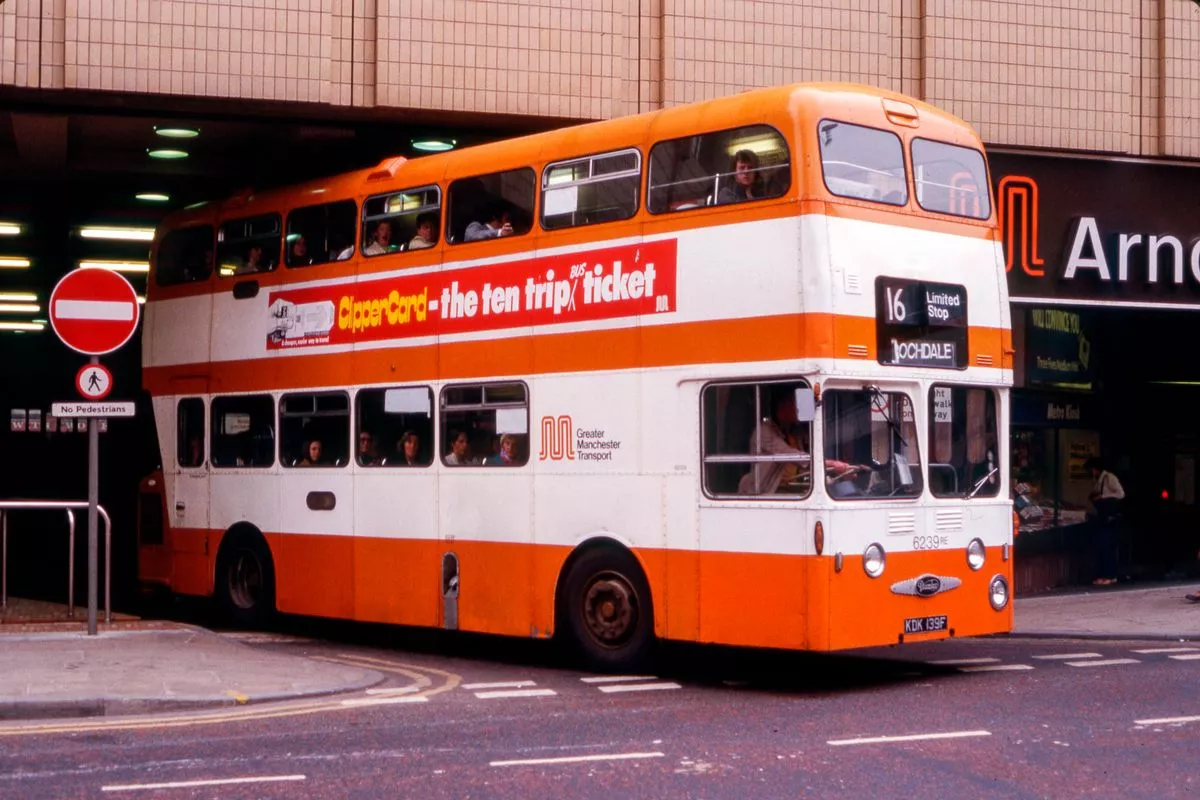
The Arndale bus station in Manchester(Image: Museum of Transport, Greater Manchester)
The Arndale bus station was open for less than two decades before closing in a dramatic fashion. Opened on September 24, 1979, as part of the £100 million construction of the Arndale Centre, it replaced several smaller, on-street stations in and around the city centre.
The Cannon Street station became one of Manchester’s busiest, but by the early ’90s, if not sooner, the station had become outdated. But its fate was eventually decided in the most dramatic fashion.
The Arndale was one of dozens of buildings badly damaged by an IRA bomb, which exploded just a few yards away on Corporation Street on June 15, 1996. The station never reopened. Cannon Street was wiped from the map in the huge reconstruction of the city centre that followed.
Visit the Warner Bros store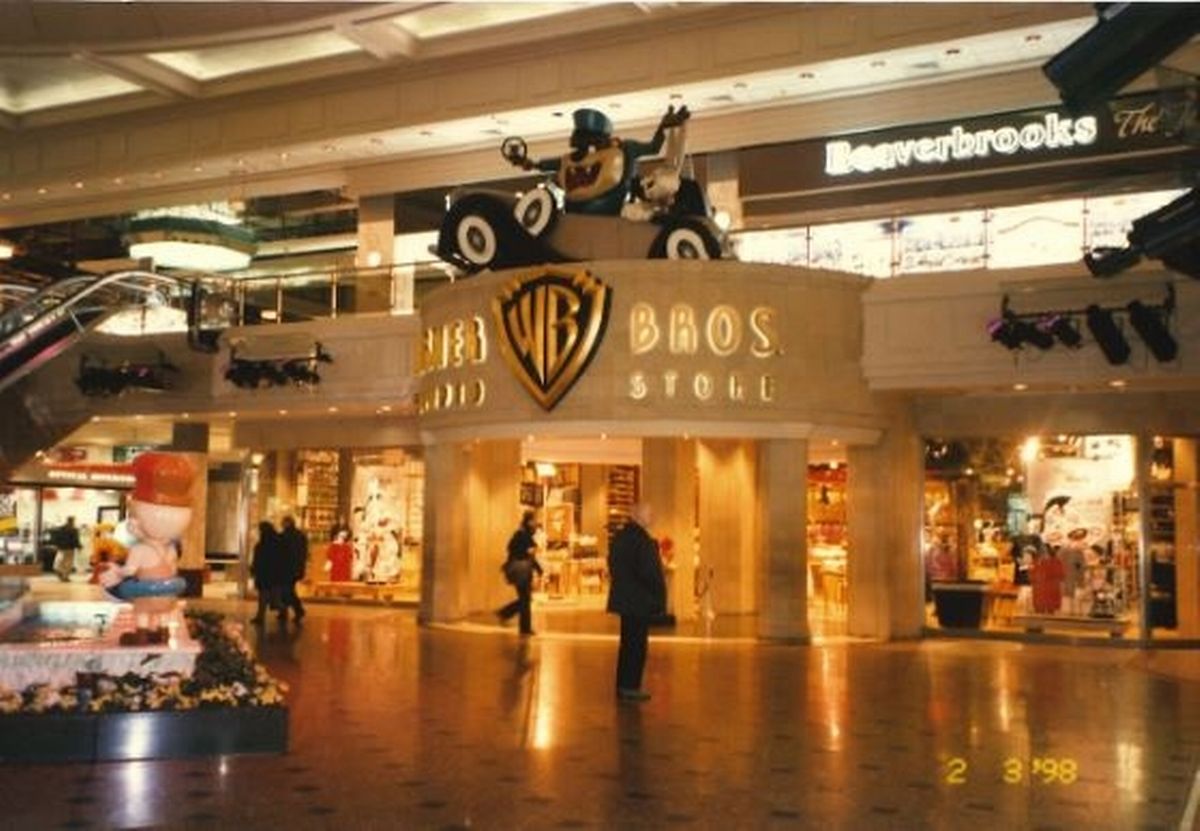
The Warner Bros store in Manchester Arndale(Image: Manchester Arndale)
When the Warner Bros. store arrived at Manchester Arndale in the early ’90s, it was a very exciting time. The huge store was topped with a giant Tasmanian Devil, and the nearby fountain was guarded by statues of Bugs Bunny, Daffy Duck and Elmer Fudd.
The store itself boasted enough cuddly toys and face cloths that expand in water to last you a lifetime. Visits to the Arndale Centre store were a rite of passage for many Nineties kids, but the treasure trove of film and TV memorabilia shut up shop in 2001.
Have a burger at Starvin’ Marvins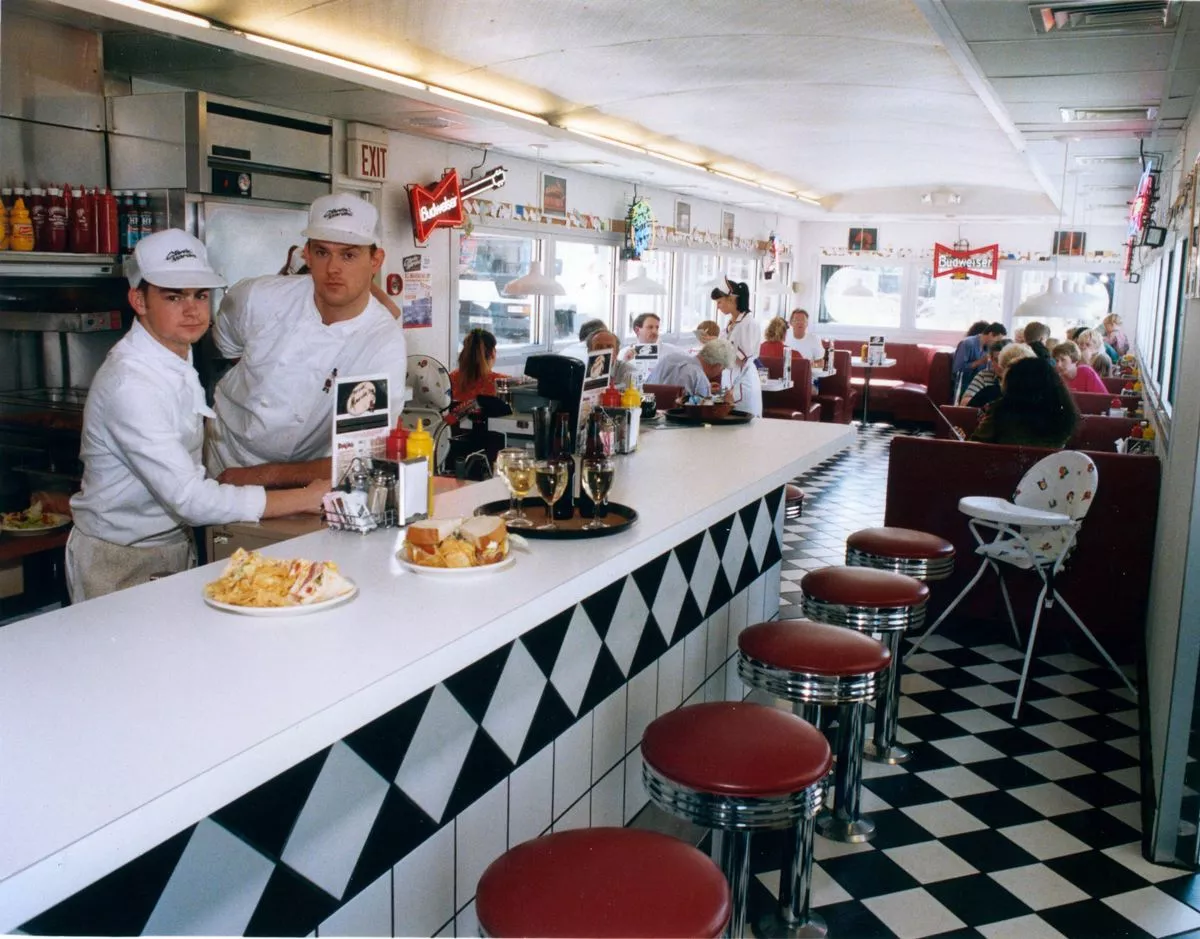
Starvin’ Marvin’s Diner in Salford(Image: Mirrorpix)
Moving on from shopping destinations, in 1995, the American-themed diner Starvin’ Marvin’s arrived in Greater Manchester, becoming another exciting place for families to enjoy. Part of The Celebrated Group, it was the first diner of the chain to open in England, followed by one on Merseyside the following year.
Sitting across from the entrance to Salford Quays, the silver streamline eatery boasted a 1950s décor and transported customers to the States with its authentic fast-food menu, jukebox and neon signage. Sadly, the original Starvin’ Marvin’s restaurants have now all closed.
Visit the Dutch Pancake House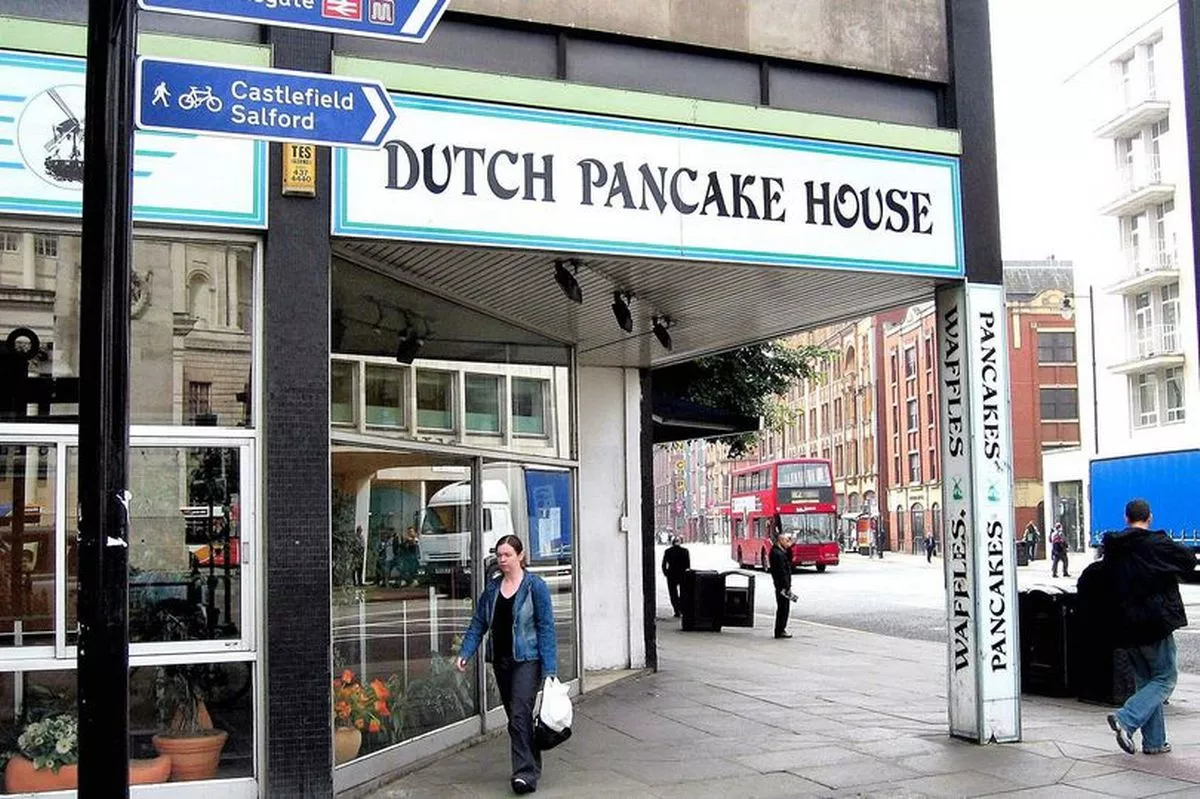
Dutch Pancake House on the corner of St Peter’s Square and Oxford Street(Image: Julian Brown)
The Dutch Pancake House, which closed just over a decade ago, is remembered for its extensive menu and large portions. Located at the corner of St. Peter’s Square and Oxford Street, it opened in 1996 and was the perfect place to visit for a treat with family and friends.
The building that used to house it, Elizabeth House, was demolished to make way for the shiny new 1 St Peter’s Square.
Go on the Granada Studios Tour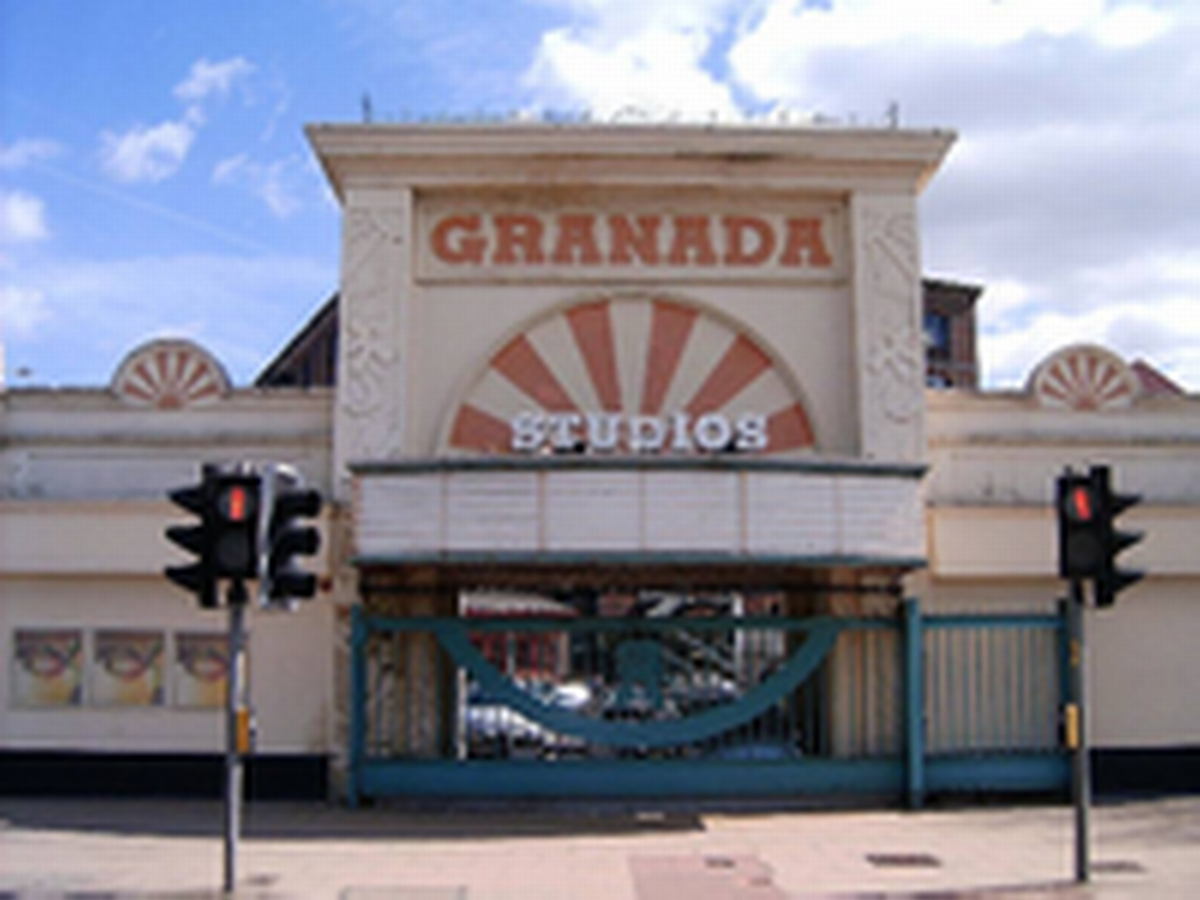
The old Granada Studios Tour(Image: )
Opening in a blaze of publicity in 1988 and envisioned as a ‘Hollywood on the Irwell’, the tour of the Quay Street studios attracted more than 5million fans in its heyday. Visitors could walk the cobbles of Coronation Street as well as explore other sets from other Granada productions, including a mock Downing Street and a Sherlock Holmes-era Baker Street.
The attraction was also home to the world’s first – and possibly most terrifying – flying rollercoaster, Skytrak Total.
By 1999, visitor numbers had dwindled, and it shut its doors to the general public. Although it continued to welcome visitors as part of hospitality packages until 2006, it eventually closed for good.
Have a splash at Gorton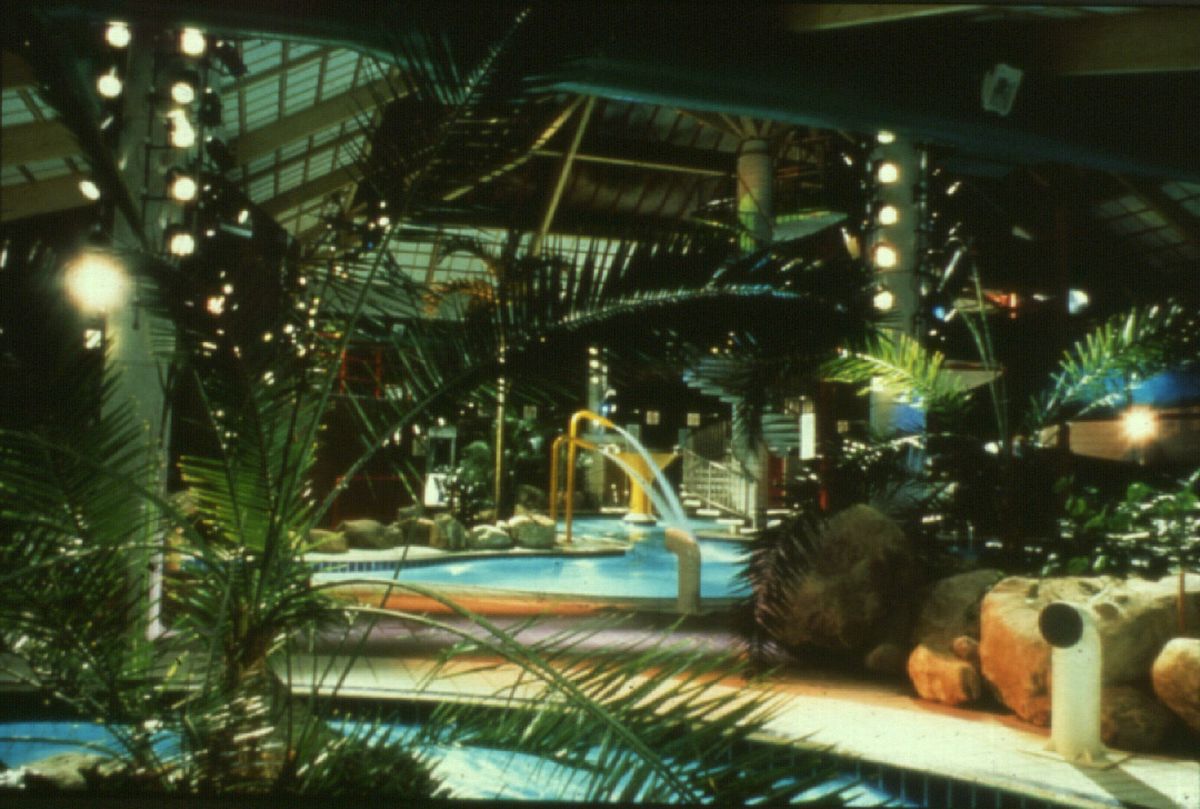
Gorton Tub(Image: )
Gorton Tub was Manchester’s own inner-city indoor water park. It opened in 1988 and was the place every kid wanted to go to and where scores of memories were made.
Thousands of kids spent hours in its chlorinated water before heading for a Slush Puppy and a chocolate bar, or a burger and chips. It later underwent a rebrand and became known as Neptune’s Kingdom after the Roman god of the sea. It closed in the early 2000s.
Visit Belle Vue fun fair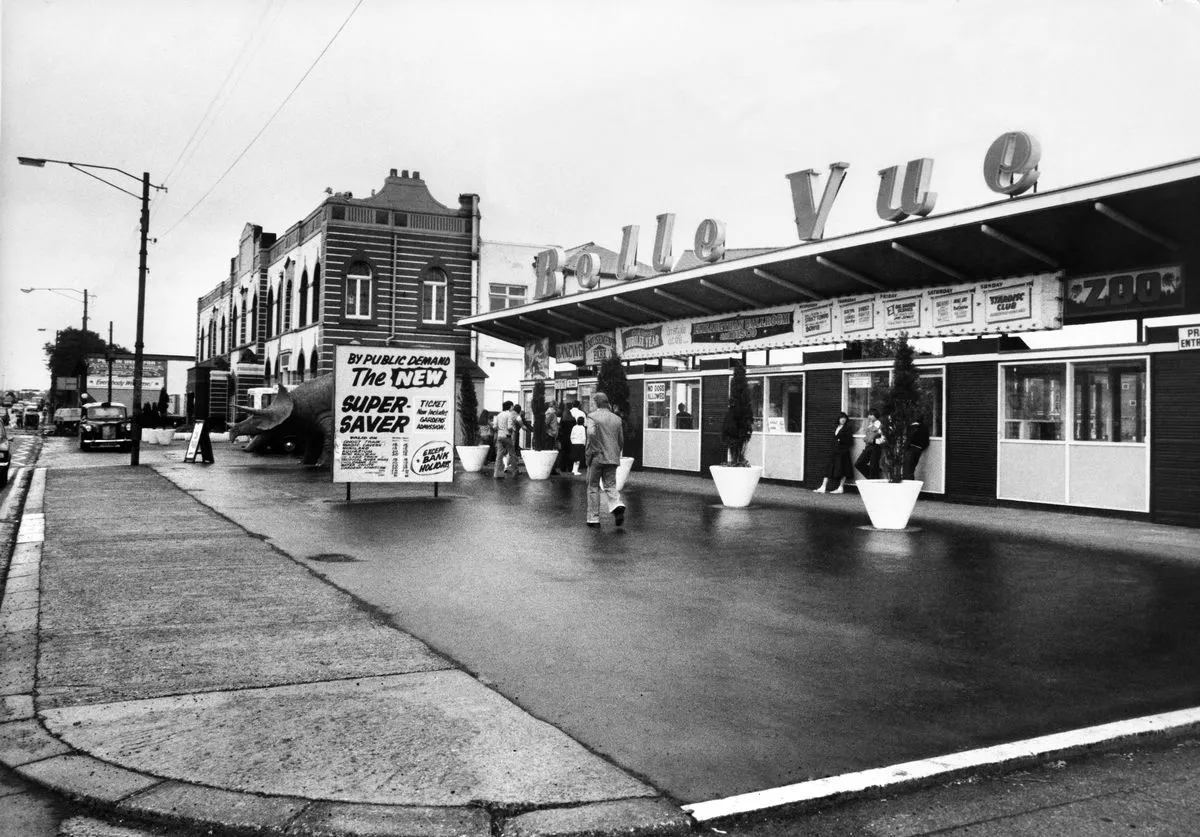
Belle Vue ticket office (Image: )
It’s been over 40 years since Belle Vue closed its gates for good. It began as a small private collection of birds owned by gardener John Jennison, but blossomed into Manchester’s very own Victorian theme park.
By the early 20th century, its collection of animals – from Asian elephants to chimpanzees – was being sold as the ‘showground of the world’, eventually making it one of the north’s most popular tourist attractions and the country’s third largest zoo.
For a century and a half, the area off Hyde Road in Gorton boasted the now legendary zoo gardens, fun fair and amusement park, circus, concert venue, greyhound track and speedway stadium.
With such a wide variety of entertainment, it attracted up to two million visitors per year in its heyday, and Mancunians didn’t have to venture outside M18 – never mind embark on a trip from Manchester Airport and travel abroad – to feel like they were on holiday.
However, spiralling debts led to the zoo being wound up in the 1970s, and the park closed its gates in 1982, with its legendary attractions later demolished.
Get a visit from the ‘Pop Man’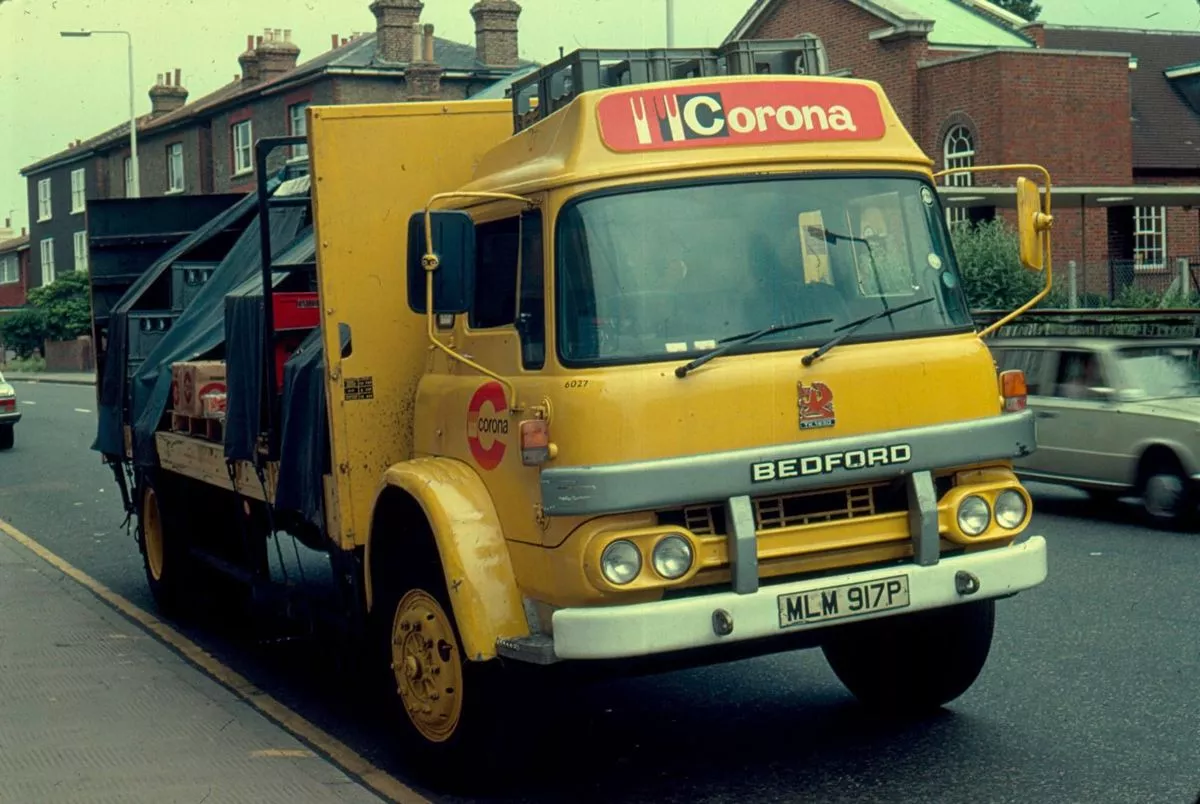
Corona wagon delivered ‘pop’ to people’s homes in the ’70s, ’80s and ’90s(Image: )
If you were a kid in Manchester, it was the ‘pop man’ or the ‘mineral man’ – either way, you loved seeing his wagon coming down your road.
Generations of Mancunians who grew up in the 1970s, 1980s, and 1990s remember the now-vanished delivery service. A lorry full of rattling bottles of lemonade, cola, cream soda, dandelion and burdock and pineappleade – commonly known as the ‘pop man’ – would visit your street every week.
Make a call from a red telephone box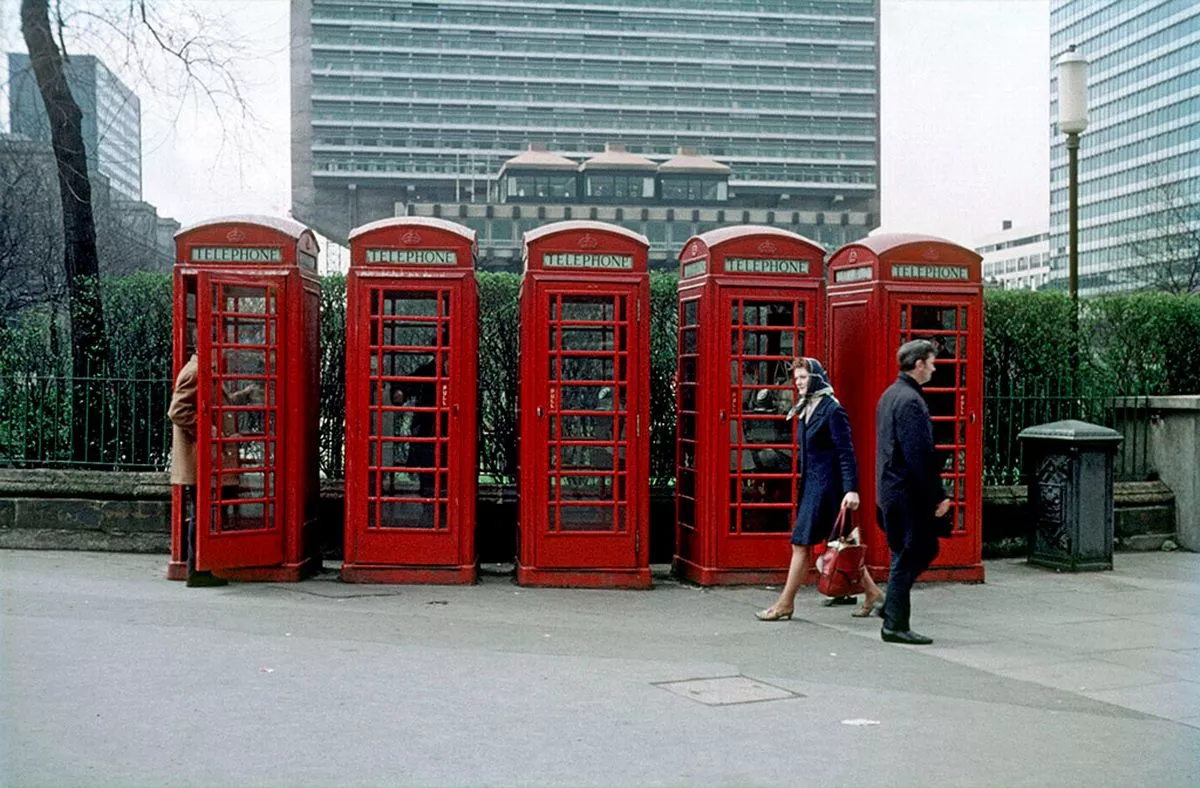
Red telephone boxes at Piccadilly, c. 1969(Image: MMU Visual Resources)
The classic red telephone box is a British icon. The original K2 cast iron design first appeared on our streets 100 years ago, with several design updates following.
But in the 1970s and ’80s, as the old boxes began to age or became victims of vandalism. In 1985, a newly privatised BT introduced more functional but less aesthetic phone boxes to our streets, resulting in many red boxes being removed. Even the newer telephone boxes have become a rarity on our streets, thanks to most people now having a mobile phone.
Despite traditional red telephone boxes largely disappearing, it was estimated that around 8,000 remained in public service in 2020. Many have been converted into other uses, including public libraries and places to house defibrillators.