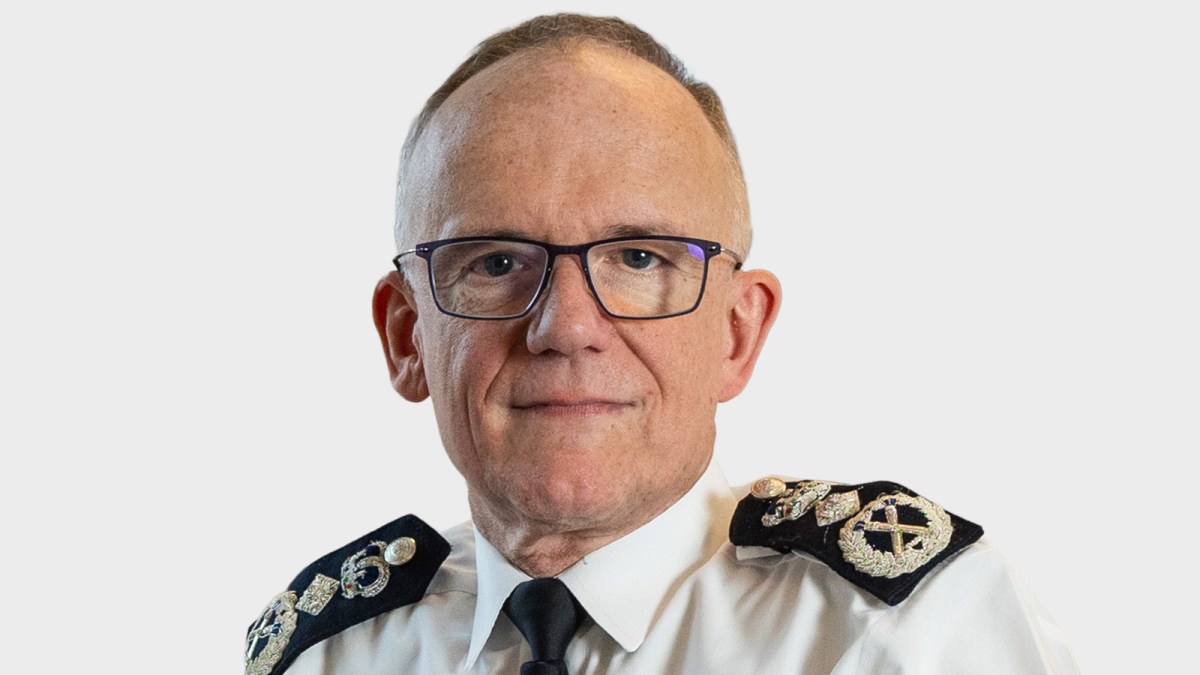
I am privileged to lead such extraordinary people. Three years ago, I pledged that we would make London safer through more trust and less crime. Today, London has its lowest homicide levels in a decade and the lowest ever per capita. While every murder remains one too many, this progress reflects relentless work and an unwavering focus on protecting life.
Despite claims circulated online, including AI‑generated videos creating fictional violent scenarios, some commentators promote a narrative that suits them, regardless that the facts tell a very different story. London is safer, and the progress we are making is saving lives, is measurable and independently evidenced. This is not a matter of opinion or messaging; it is what the data shows. We are proud to represent Londoners, and we will speak up for the truth — something that matters more than ever in an age of misinformation and disinformation.
London’s record low homicide rate has not happened by chance. It is the result of officers arresting about 1,000 more offenders each month. They are targeting the most dangerous gangs, organised criminal networks and predatory men who target women and children, and deploying innovative technology — including live facial recognition — to solve more crime and prevent serious harm. The results matter: fewer lives lost and fewer families shattered.
• Government paves way for facial recognition tech use on general public
This is not just Met data saying this. NHS figures alongside other official sources show sustained and significant reductions in serious violence across the capital. NHS data shows that the number of people hospitalised after being stabbed or attacked with a sharp weapon in London has fallen by 29 per cent in the past five years, from 1,350 to 955. Fewer hospital admissions mean fewer lives permanently damaged and fewer families facing trauma. This independent evidence mirrors what policing data is already showing: serious violence is falling.
Every life taken is a tragedy, and behind every statistic is a family forever changed. But we will continue to use every tool at our disposal to drive down serious violence. This work will not stop, and neither will our determination to keep Londoners safe.
London is safe by international standards. Our per‑capita homicide rate is significantly lower than major cities in North America, including New York and Houston, and compares favourably with large European capitals such as Paris, Berlin and Brussels. This matters, because the global picture cuts through misplaced fear and puts London’s progress in context.
This achievement has depended on every part of the Met. From frontline officers making more arrests to detectives solving the most complex cases; from intelligence teams tracking the most dangerous offenders to specialists safeguarding vulnerable children. This has been a whole‑Met effort driven by professionalism, determination and a deep commitment to victims.
• The underworld factories turning fake guns into lethal weapons
This is about increased proactivity: identifying and disrupting the most dangerous individuals and networks before they kill. That means dismantling organised crime groups, preventing gang violence, and removing hundreds of guns and knives from our streets, while also identifying teenagers being groomed into gangs and working with partners to divert them from a disastrous future. It means using intelligence‑led tactics and cutting‑edge technology to stop harm before it happens.
That proactive approach is saving lives. Last year, officers dismantled what was effectively an illegal firearms and explosives factory operating just outside London. Acting on intelligence, specialist teams seized assault rifles, converted and concealed firearms, self‑loading pistols and multiple improvised explosive devices, alongside materials to make more. One of the weapons produced there had already surfaced on London’s streets at Notting Hill Carnival, a stark reminder of how close we came to catastrophe.
Shootings have halved compared to seven years ago, violent incidents causing injury are down by a fifth, and homicide detectives achieved a world‑class 95 per cent solve rate last year, giving grieving families justice and answers at the most devastating moment of their lives.
Enforcement alone is not enough. We are also working with partners to tackle the root causes of violence, delivering life‑changing interventions to hundreds of thousands of young people and steering them away from gangs and serious crime.
Confidence in policing is rising. Eighty‑one per cent of Londoners have said that the Met is doing a good or fair job locally. Trust among black Londoners has increased significantly, and the confidence gap between women and men is closing. This progress matters, but our mission is far from complete.
One murder will always be one too many. Our thoughts remain with victims and their loved ones, today and always. We will never stop learning, improving and acting to prevent harm.
Above all, I want to thank the officers and staff who give everything to this job. Nowhere is the sacrifice greater than among those investigating murder, detectives, specialists and support teams who work through the night, miss family moments and carry the emotional weight of the most harrowing crimes imaginable. Their professionalism, compassion and determination are why lives are saved, justice is delivered, and London is safer today.
Sir Mark Rowley is commissioner of the Metropolitan Police