Exhausted NHS staff have told how an elderly woman was left to die alone on a trolley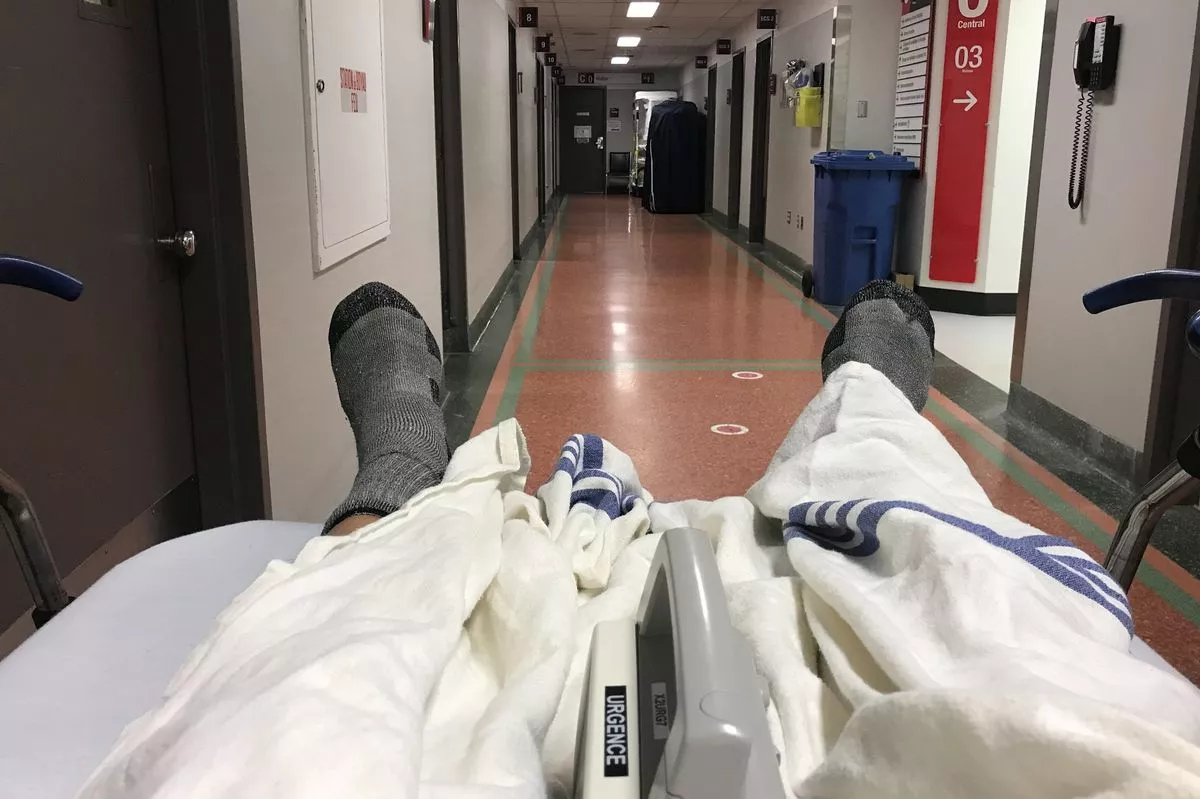
A elderly woman died alone on a hospital corridor (stock image)(Image: )
NHS staff have told how an elderly woman was left to die alone on a trolley in a crowded A&E corridor. Staff at Arrowe Park Hospital’s emergency department in Merseyside said they have reached breaking point as they are repeatedly faced with more patients than they can safely care for.
Wirral University Teaching Hospital Trust (WUTH) said the hospital’s A&E department is experiencing “extremely high demand”, with attendances around 30 per cent higher than expected for this time of year. Daily patient numbers have exceeded 330, peaking at 370 on some days in December.
Staff said the most devastating impact was seen at the start of last week, when a pensioner was brought in by an ambulance and – as is now sadly common – placed on a trolley in a busy corridor. They said they were so overwhelmed that she died alone without being seen.
One staff member told the Echo : “We don’t usually hold patients in the back of ambulances, but in the past two weeks, things have been so bad it has been happening because there has just been no space, no trolleys to put them on and no staff to accept them.
“This woman was in the back of an ambulance and they came in, early hours of the morning and because it wasn’t staffed, she died, on her own, on the corridor. She was an older lady. My colleagues were absolutely distraught. They were broken hearted.”
She added: “I am surprised it has taken this long for this to happen and it is bound to happen again. We are failing our patients and they are coming to harm.”
Speaking more generally about the winter, an A&E staff member said: “This winter has been absolutely awful. We have got more and more patients on corridors, we haven’t got enough staff to cover these corridors, so patients sometimes have no one caring for them.
“We are just overwhelmed with the number of patients. The numbers are so high and the skill mix we have is so poor. We have been overstretched. We can have 40-50 patients on a corridor or in escalation areas at times. They just keep opening more areas.
“We are coming in and expected to look after 10 or 12 patients, it is supposed to be one to four. How are you supposed to nurse 10-12 patients on a corridor?”
They added: “It is horrific in A&E, it is just non-stop. At one point we had 102 patients waiting for a bed, with more than 200 in the department. It’s only built for 50-60 patients. We have patients sitting on the floor, lying down on the corridor with coats over their heads, how is that right in this day and age?”
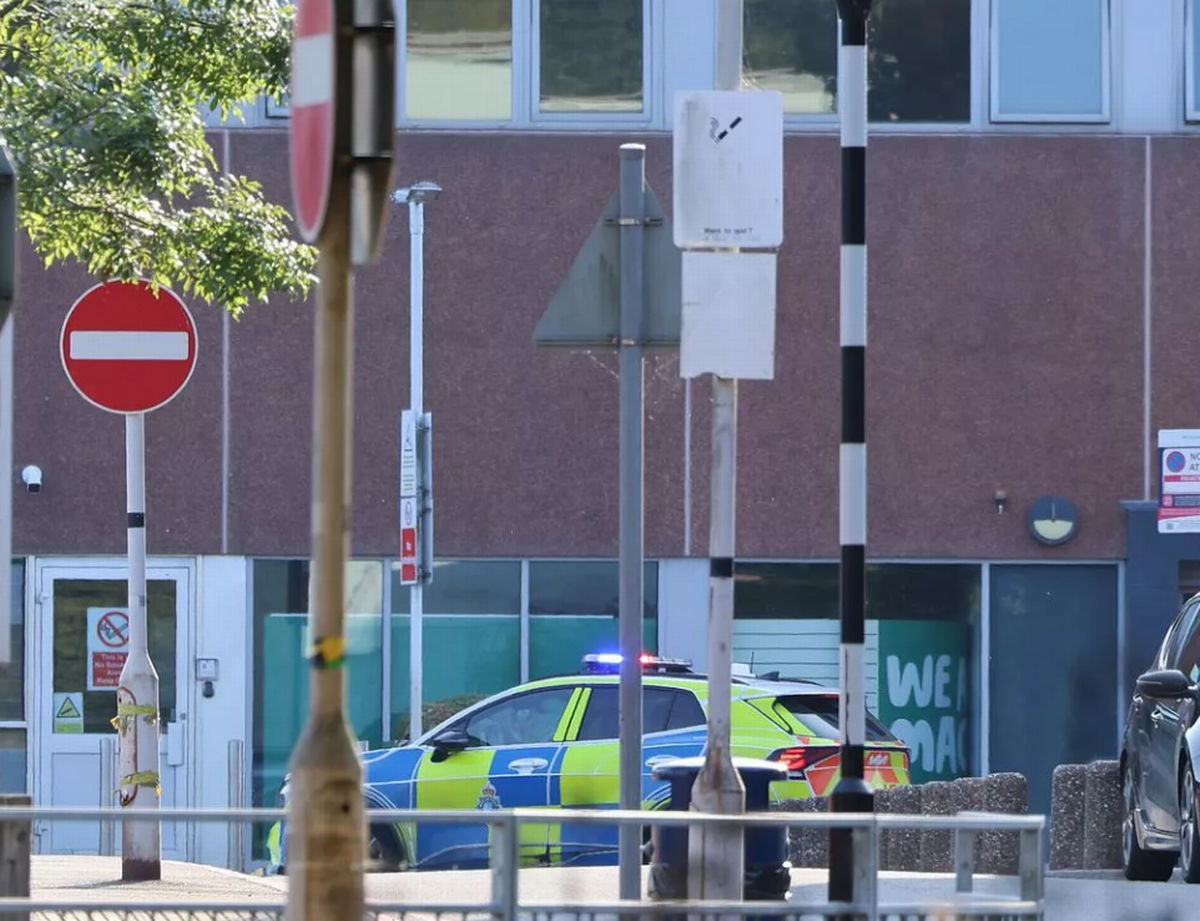
Daily patient numbers at Arrowe Park Hospital’s A&E have exceeded 330(Image: Liverpool Echo)
Staff said hospital bosses have opened a new medical ward within the department in a bid to address the crisis. But they said this has stretched exhausted staff even further.
One staff member said: “Because patients are there for so long they have changed it into a ward, but its not a functional ward because it hasn’t got the stuff a ward has. It is basically a holding area for our patients, they are still in our department and we still have to look after them.”
The pressure has led many senior and qualified staff members to take work-related stress leave, resulting in an increasing reliance on newly qualified and agency staff.
One staff member said: “Morale is at the lowest it has ever been. So many people have gone off with stress. I am just about clinging on. There have been a couple of times recently I have thought I don’t know how much longer I can stay here, that breaks my heart.”
Staff also said they face abuse from frustrated patients waiting long periods. The staff member added: “It is normal to have one nurse covering the A&E waiting room, which can be 70-80 people and so the poor nurse is trying to do medications and they are being surrounded by frustrated people. It is intimidating. It is frightening. Some staff won’t do it, they can’t cope.
“It’s heartbreaking for us, there are people breaking down in tears every single shift. We have asked for security to come and do walkabouts because it is so bad. People are saying “you are supposed to care, why are you leaving us like this?”
While staff at Arrowe Park acknowledge these grim scenes are seen at hospitals across the country, reflecting a wider NHS crisis, they want clearer guidance from trust leaders on how the situation will be tackled. The hospital’s urgent and emergency services are currently rated as ‘requires improvement’ by the Care Quality Commission.
One NHS staff member on the ground said: “We keep putting incident forms in, we have gone to our team leaders. We know they have been having meetings with the unions and the management. But nothing has changed. Well it has, it is getting worse.
“I don’t know what the answer is, but that lady dying on a corridor is the last straw. Something has to change. Patients are coming to harm, our staff are broken, our department is non-functional. The trust needs to sort this out.”
The Wirral University Teaching Hospital trust said ensuring patients receive safe care is its “top priority” and that its staff are working “exceptionally hard during an extremely busy time”.
The trust said it is unable to comment on individual patients, but confirmed the emergency department is experiencing “extremely high demand”.
A spokesperson said: “Unfortunately, this has resulted in longer waits and at times, patients being cared for on the corridor which is a challenge experienced across the NHS. To support this, we have opened extra beds and wards across the hospital with the appropriate staffing in place. Importantly this enables us to release ambulance crews back into the community to respond to the additional demand.
“As safety is our top priority, we actively encourage staff to raise incident forms to report challenges, concerns or areas of good practice, and all incidents are investigated with appropriate action and any learning taken. Our teams dynamically monitor demand and staffing levels in the department and across the site with senior nursing and medical oversight.
“We are working hard with all other health care partners to both discharge patients who no longer require our care and navigate appropriate patients to alternative healthcare settings where their needs may be better served, and to improve patient flow through the hospital helping to reduce waiting times in the Emergency Department.”
Get daily headlines and breaking news emailed to you – it’s FREE