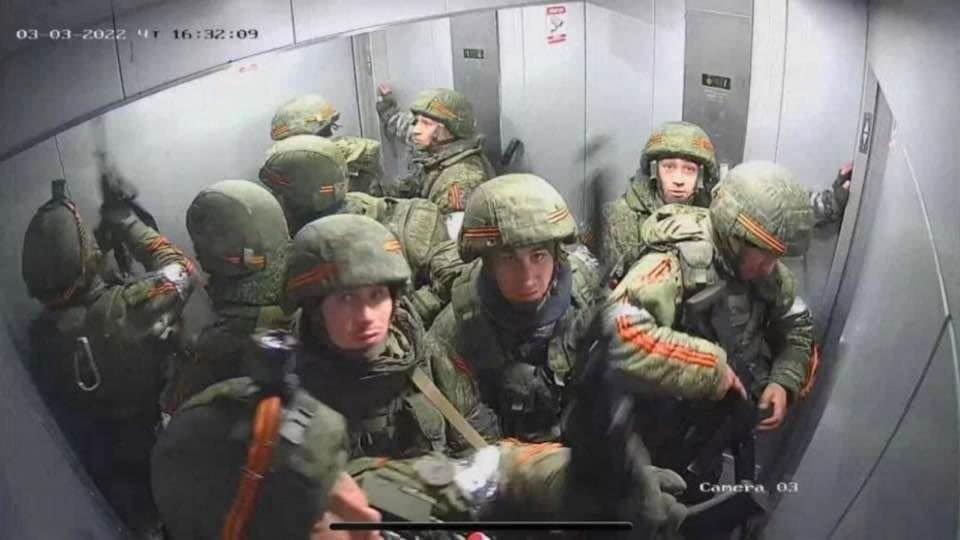
Estonia has imposed entry bans on 261 Russian nationals who have fought in Ukraine, citing concerns over internal security and the long-term consequences of Russia’s war spilling into Europe.
The decision was confirmed by the Estonian interior ministry, which said the individuals concerned had taken part in Russia’s armed aggression against Ukraine. Interior minister Igor Taro said the bans were unavoidable, arguing that those who committed violence in Ukraine “have no place in the free world”.
Taro said officials had no doubt that the banned individuals were hostile to Europe. Many, he said, had combat experience and military training, often alongside a criminal background, and were likely to be psychologically traumatised. “The threat they pose is not theoretical,” he said, warning of the risks of involvement in organised crime or cooperation with Russian security services.
The ministry’s deputy secretary-general for internal security, Joosep Kaasik, said the 261 cases represented only the first phase of a broader policy. Further entry bans would follow, he said, as authorities continued to identify individuals involved in the war. “Crimes and violence committed in Ukraine carry long-term and very real consequences.”
Mr Kaasik said the issue had been under discussion since the summer of 2025, when it was first raised at a Nordic–Baltic meeting of interior ministers in Estonia. Since then, Tallinn has repeatedly pressed the matter in European Union forums. Estonia is now calling for a common approach, including a Schengen-wide blacklist and a ban on issuing visas and EU residence permits to identified former Russian combatants across the Schengen Area.
An estimated 1.5 million Russian citizens are believed to have taken part in the war against Ukraine, with around 640,000 still deployed on the front line.
The move comes amid a sharp rise in violent crime in Russia itself. In the first half of 2025, serious violent offences reached their highest level in 15 years, with more than 333,000 cases recorded, a surge partly linked to the return from the front of previously convicted criminals.