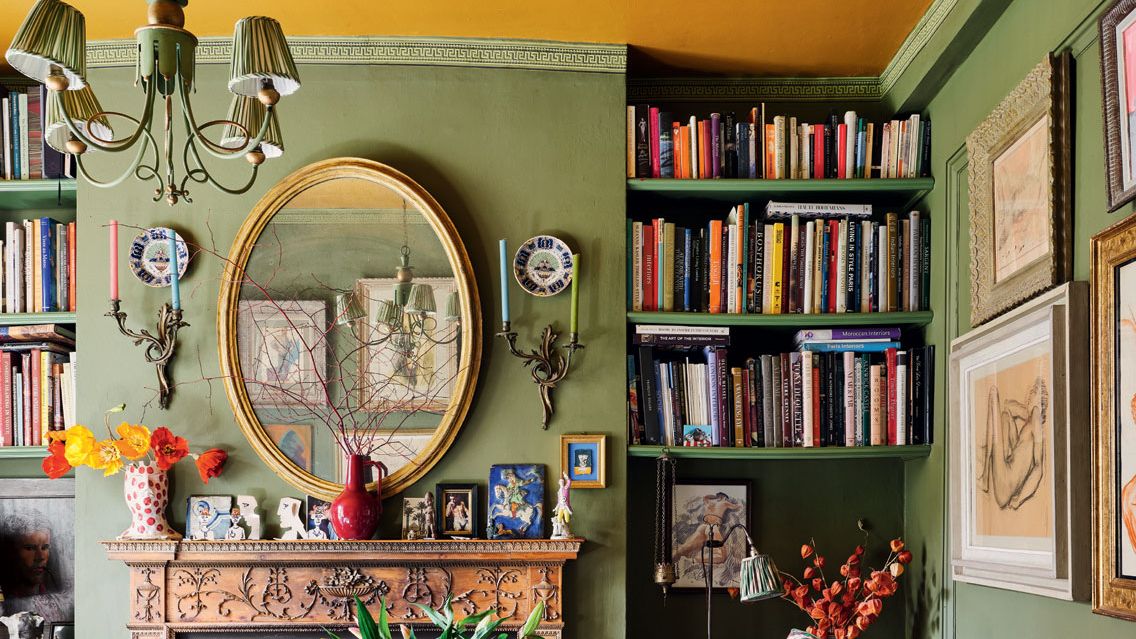
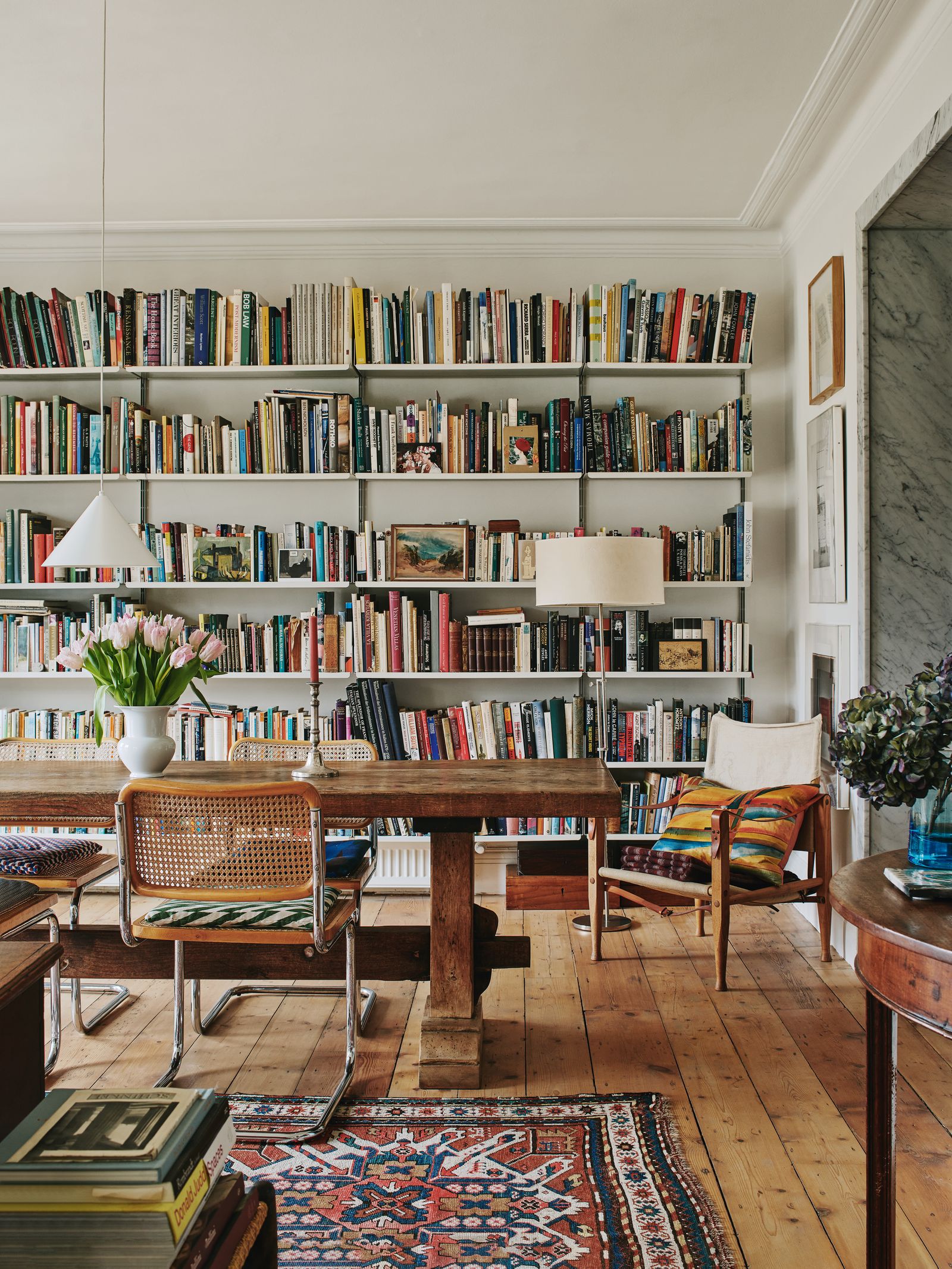
If you’re interiors-minded, glossy images of seemingly perfect spaces have always been two a penny when scrolling through social media. However, in recent times, another type of content has been gaining popularity. On TikTok, ‘normal house’ tours are going viral and over on Instagram, posts that show homes at their most real – complete with dirty plates and children’s toys – are racking up the likes. Spend time on YouTube and you’ll notice it’s often the houses filled with most ‘stuff’ that attract the biggest viewing figures. Meanwhile, designer Matilda Goad has taken it a step further, making the ‘junk drawer’ of notable taste makers (that one we all have), the subject of a new video series.
Alice Tate, a writer and PR consultant, has seen this shift first-hand. When she started sharing images of her 1930s London home at their most ‘real’ via her @asouthlondonhome account, the posts really resonated with her audience. ‘I’d like to think it’s making people feel less of a need to strive for perfection all the time. We don’t live in show homes and the more we see otherwise, I think we can sigh a breath of relief a little bit,’ Alice shares. ‘There’s always going to be an appetite for the perfect clutter-free shot, but I think people want to get more of an idea of how it might translate into their world, so more lived-in content offers that,’ she adds.
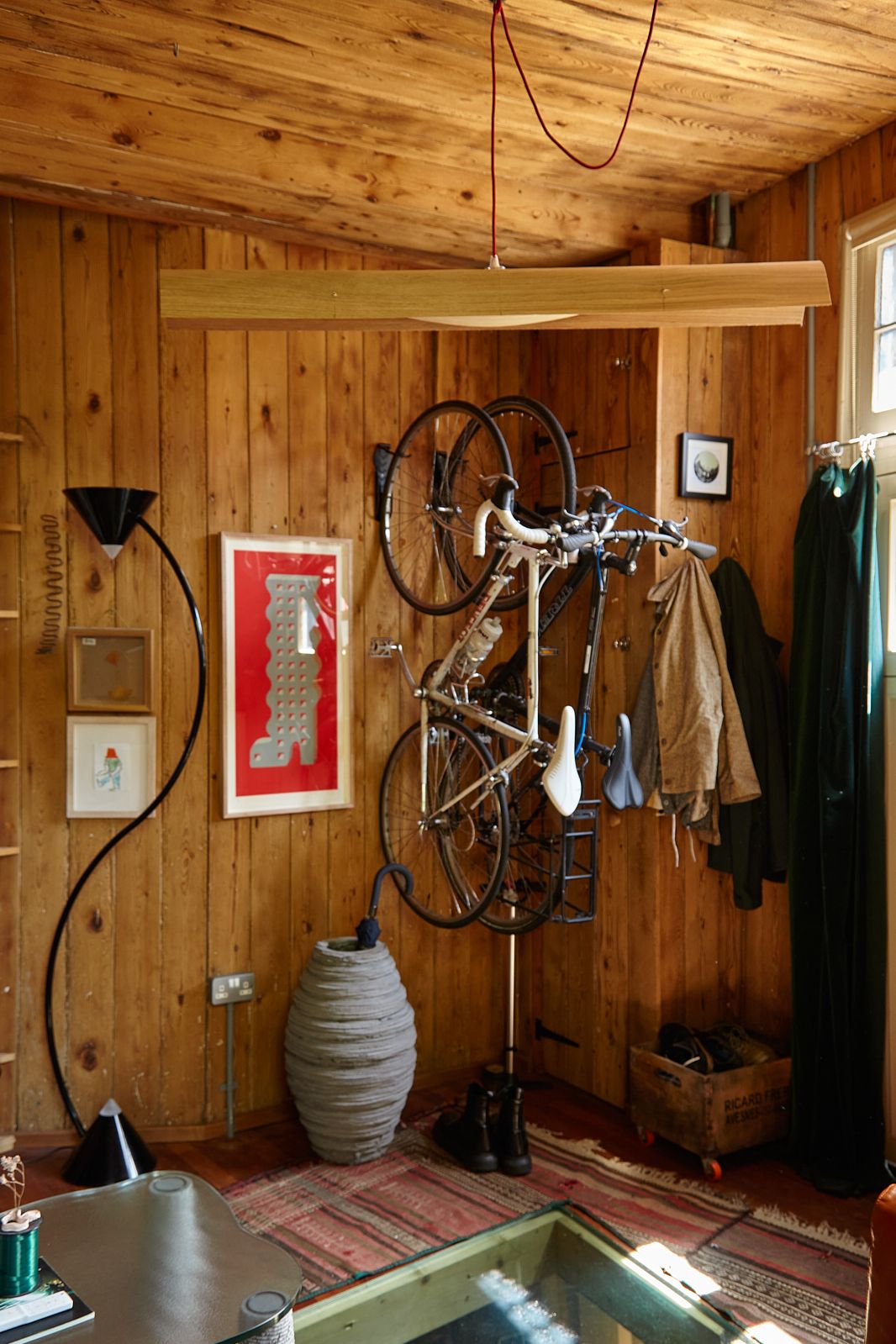
In this tiny rented Hackney apartment, a 3D-printed experimental prototype vase by Tom Dixon acts as an umbrella stand, beneath a print by Anthea Hamilton, and some framed gingko leaves from the streets of Verona, serving as a lesson in how to live abundantly.
Esther Bellepoque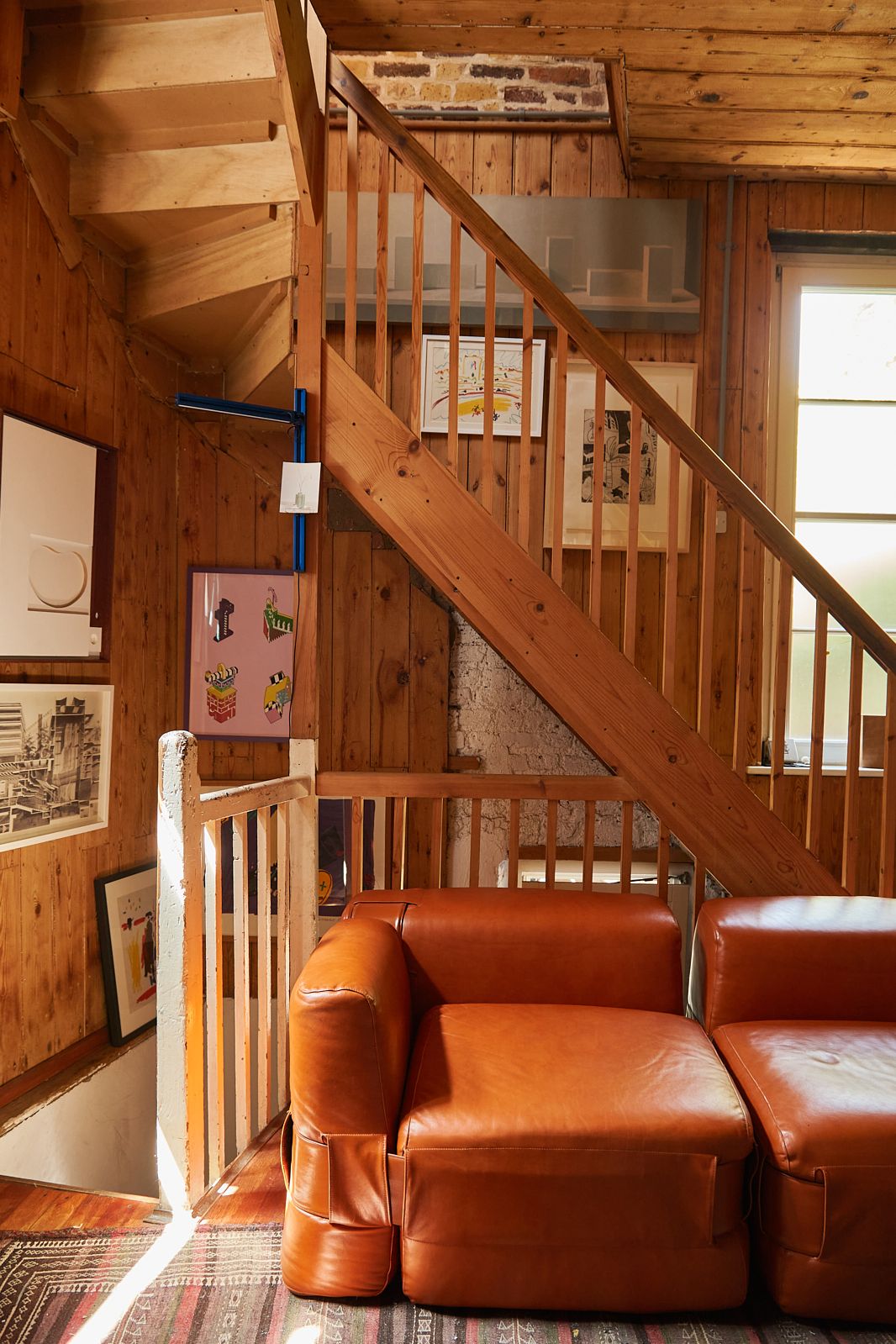
A painting by Sammi Lynch sits next to a Picasso print, underneith a monotone study of blocks brought from M Kardana. The pink print on the lower stairway is by Studio Mutt.
Esther Bellepoque
Zooming out, this move from aspirational to authentic content has been building online for a while, however the prevalence of AI is no doubt pushing this further. ‘I believe the backlash against the image of “the perfect home” is being driven by the increasing visibility of images created by AI seen on social media. It’s making working out the difference between “real” and AI images almost impossible,’ Interior Designer Laura Stephens shares. We are collectively craving the human touch and much like a small typo might indicate a piece of text hasn’t been spewed out by a robot, clutter on a coffee table shows a real person has created that home.
This aligns with a trend that forecasters The Future Laboratory call ‘Curated Clutter.’ ‘There’s a growing desire for interiors that embrace imperfections and personal quirks, rather than sterile or overly curated. This is highlighted by platforms like @girlswhocluster on Instagram, where followers celebrate curated clutter and personal stories told through decor,’ Fiona Harkin, Director of Foresight, explains.

Avery Cox has brought character back to this overly modernised 1920s Atlanta house. Here she has re-covered a chaise owned by her client, Lawren, in an olive green cotton velvet from Kravet. A vintage Bessarabian kilim from Chairish adds pattern and colour to the floor.
Lindsay Brown