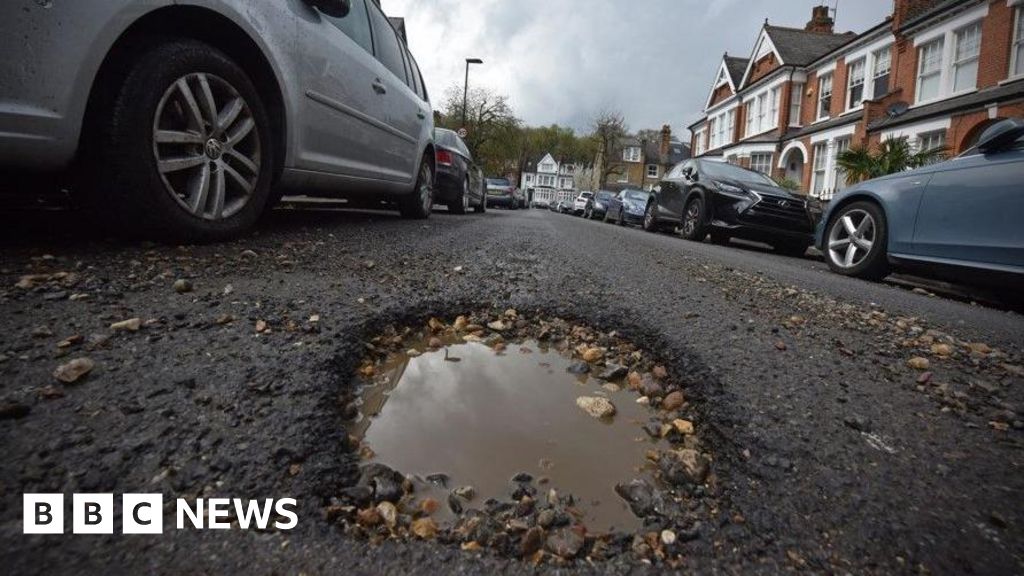
Three London boroughs have questioned how the government has worked out a new potholes rating system that launched on Monday.
Greenwich, Waltham Forest and Kensington and Chelsea councils were all branded red under a new Department for Transport (DfT) mapping tool which shows England’s local highway authorities rated using a traffic light system based on their effectiveness in spending the government’s road maintenance funding.
The Royal Borough of Kensington and Chelsea (RBKC), called their red rating “baffling”.
A DfT spokesperson said: “The ratings follow a clear, published methodology using data from official statistics that local authorities provided themselves.”
The London Borough of Waltham Forest, also allocated red, said the DfT should “revisit our data and analyse it correctly so that they can accurately represent the situation on the ground”.
Greenwich Council, also red on the pothole ratings map, said it had raised concerns about “details of this methodology with the DfT” and was working with them on this.
The DfT said red authorities would receive “dedicated support to bring them into line with best practices”.
A spokesperson said: “We are shining a light of transparency on the work of councils to fix roads and end the pothole plague.
“The suggestion that the department has mishandled or ignored data is categorically untrue.”
Transport Secretary Heidi Alexander said no data had previously been collected on potholes – nor was there an official definition of one – so the government was gathering data “in a way that hasn’t been done before”.
She told Sky News on Sunday that the map assessed areas based on three factors – the condition of the road, the level of investment being put in and the extent to which the local authority was “using best practice and providing value for money”.
Clyde Loakes, deputy leader of Waltham Forest, said he was “incredibly disappointed by the approach of the Department for Transport”.
He added: “It is very difficult to understand how they have reached these conclusions.
“We have an audit trail that proves all requested data was provided to DfT, despite claims to the contrary.
“Council officers have requested an urgent meeting with the department to attempt to gain some insight into the methodology and purpose of their report.”
Johnny Thalassites, lead member for environment and planning at Kensington and Chelsea Council, said they were also asking for an “urgent explanation on how the government has come up with this rating”.
He added: “It is baffling how the government has come up with this rating and disappointing that they have published it without showing us their workings out.
“We can only assume this is a mistake as we had a letter from DfT recently confirming our funding and thanking us for our commitment to transparency and best practice.”
Greenwich councillor Calum O’Byrne Mulligan said: “The data we provided to the DfT in June 2025 also only included our direct spend on resurfacing roads and not spend on other important measures like winter gritting, streetlighting and bridges, that we would not ordinarily consider part of road condition works, but we understand could be considered in this assessment.”
The DfT said the three London councils rated red had not provided sufficient road condition data considered by the ratings, “in breach of their obligation to provide this data to central government”.
The UK is thought to have more than one million potholes, according to the RAC.
In November’s budget, the government said it would provide £7.3bn for local road maintenance funding for the four years up to and including 2029-30.
Common vehicle problems caused by potholes include damaged shock absorbers, broken suspension springs and distorted wheels.
The RAC estimates a typical repair bill for pothole damage is £590.