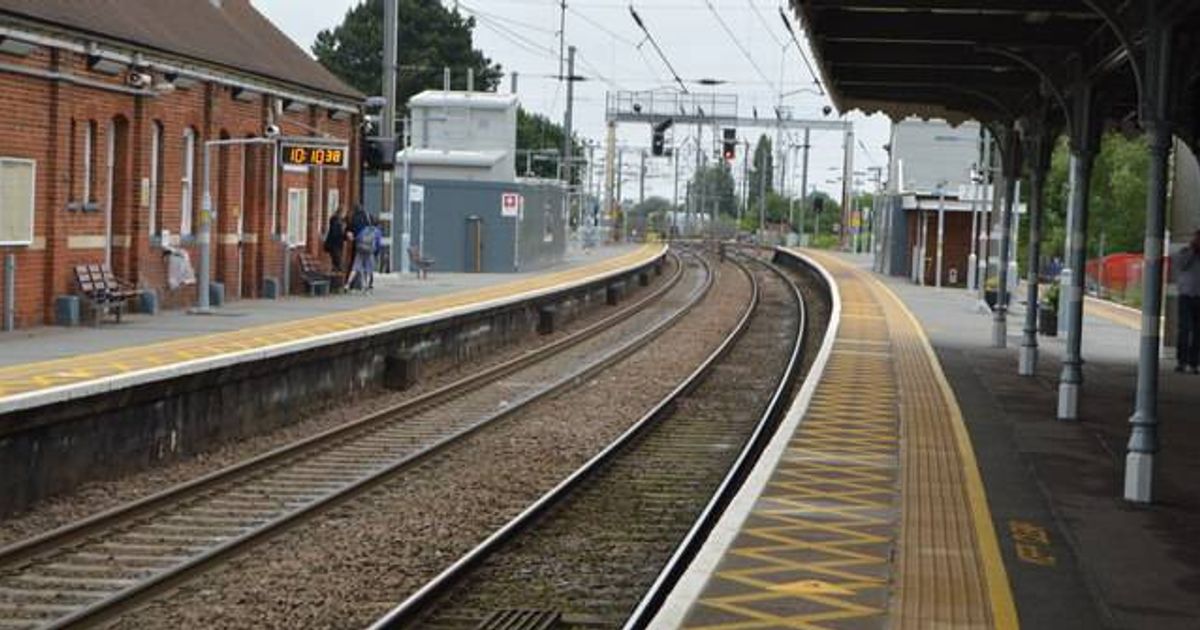
The town spans just 19.1 hectares but is well-loved by commuters for its direct London trains and thriving independent high streetMatt Lee Senior Multimedia Journalist and Mel King Content Editor
06:00, 13 Jan 2026
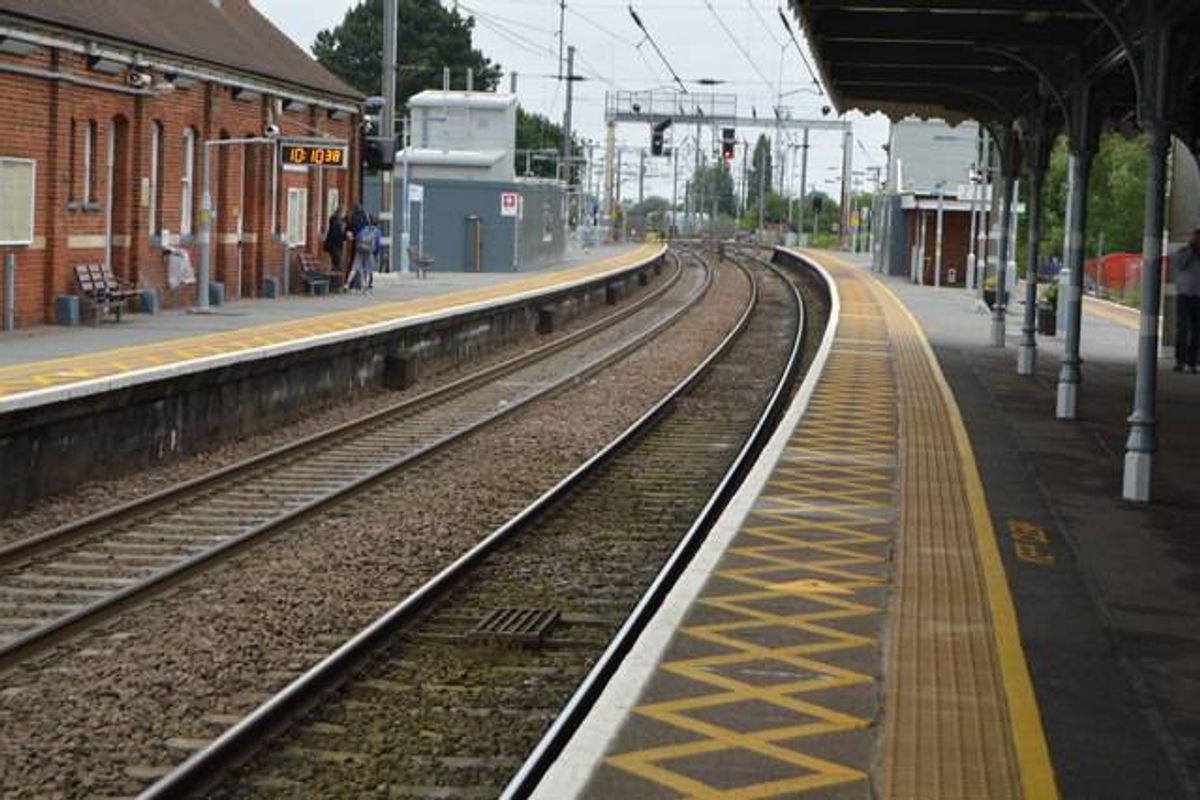
stock image of a train Greater Anglia network this morning (Tuesday, June 1)(Image: N Chadwick)
Essex boasts a wealth of notable features and achievements, including being the birthplace of radio, producing numerous pioneers, and surprisingly, being home to England’s smallest town.
Manningtree, with fewer than 1,000 residents, holds this title not due to its population but its geographical size. The historic town, which traces its roots back to the 15th-century wool trade, is a favourite among commuters for its easy access to London and covers just 19.1 hectares.
Despite its compact size, Manningtree has its own railway station, with several trains per hour heading towards London Liverpool Street, a journey that takes roughly an hour. Homes in the area average at £384,493 over the last year – making it more affordable than places like Hatfield Peverel, Maldon, and Chelmsford.
These factors contribute to Manningtree being a relatively bustling railway station in Essex. For the district of Tendring, it’s among the busiest, with around 1,043,404 entries and exits according to official figures.
Sue Brown, a local hair and beauty salon owner, says living in Manningtree is “like stepping back in time”. Local artist David Downes adds: “It’s a very unusual town, Manningtree. It goes against the trend, the high street is doing well and there are a lot of independent businesses. There’s a lot of energy about the town. There are good pubs and restaurants, we had a great Christmas fair last Sunday.
“The fact that we are on a direct train line to London is massive, and a lot of people move up here from there because they can commute. Locals benefit from that, businesses benefit from that. Families have moved up here, and there are new builds going on, but it’s good because they contribute to the local economy and buy things like art.”
Manningtree developed as a market town during medieval times and received its Royal Charter in 1238. Throughout history, the settlement functioned as a crucial centre for maritime transport and trade.
Despite its compact dimensions, the town offers an abundance of pursuits for those passionate about culture, heritage, wildlife, or simply seeking a leisurely shopping trip or pub visit. Positioned alongside the River Stour, the settlement makes for a perfect location for waterside walks or seaside excursions.
The town’s heritage is steeped in history with over 100 Grade II listed structures. According to the local parish council “virtually the whole town is a conservation area”.