Strict protocol normally governs trips like this. Schedules are choreographed to the minute, printed in advance, and rarely adjusted—except in moments of acute geopolitical turbulence, as during the recent Middle East escalation. The structure provides predictability for everyone involved: diplomats, advisers, drivers, logisticians, journalists, and their newsrooms at home.
But keeping the US engaged—and ensuring Germany stays engaged with the US—demands a different approach. For a German foreign minister, representing the world’s third-largest economy, and his team, flexibility becomes the currency of access. And in Washington, one thing is unmistakable: the Germans want something from the Americans. Some would say more than the Americans want from them. So they take whatever slot, however small, is offered.
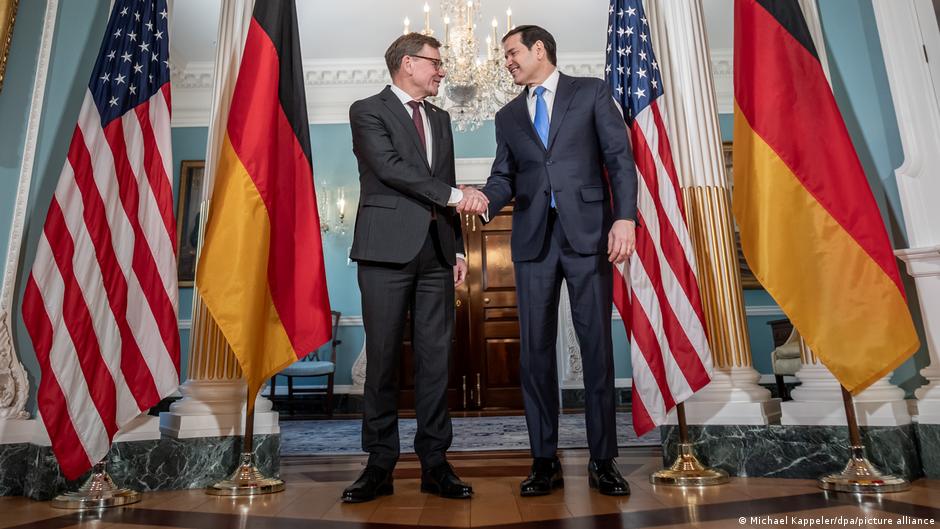
On Sunday, word comes that Secretary of State Marco Rubio won’t make the planned Monday morning meeting. Schedules are tossed, security checks reshuffled, driver logistics reworked for the afternoon. At least that frees up time for the World Bank president. Rubio ends up talking slightly longer with Wadephul than planned? No complaint—they grab every minute, skip their train to New York, and rebook everything for a later departure. A potential opportunity for further political talks on Tuesday? The entire trip is extended.
Until the final hours, the German foreign minister keeps his schedule open, determined to stay responsive to Washington’s shifting priorities and messaging. Wadephul wants to wring every drop of political value out of his US visit.
Substantively, his message remains steady: both sides need each other. Disagreements—whether over Venezuela, Greenland, or Russia—are normal among partners. What you won’t hear from him is the German finance minister’s phrase “alliance in dissolution.”
The dynamic is clear: the Germans are seeking something from the Americans, perhaps more than vice versa. After meeting Rubio, Wadephul appears alone before the press and spends 15 minutes describing the shared interests binding the transatlantic partners. Two hours later, the State Department releases a 14-line readout.