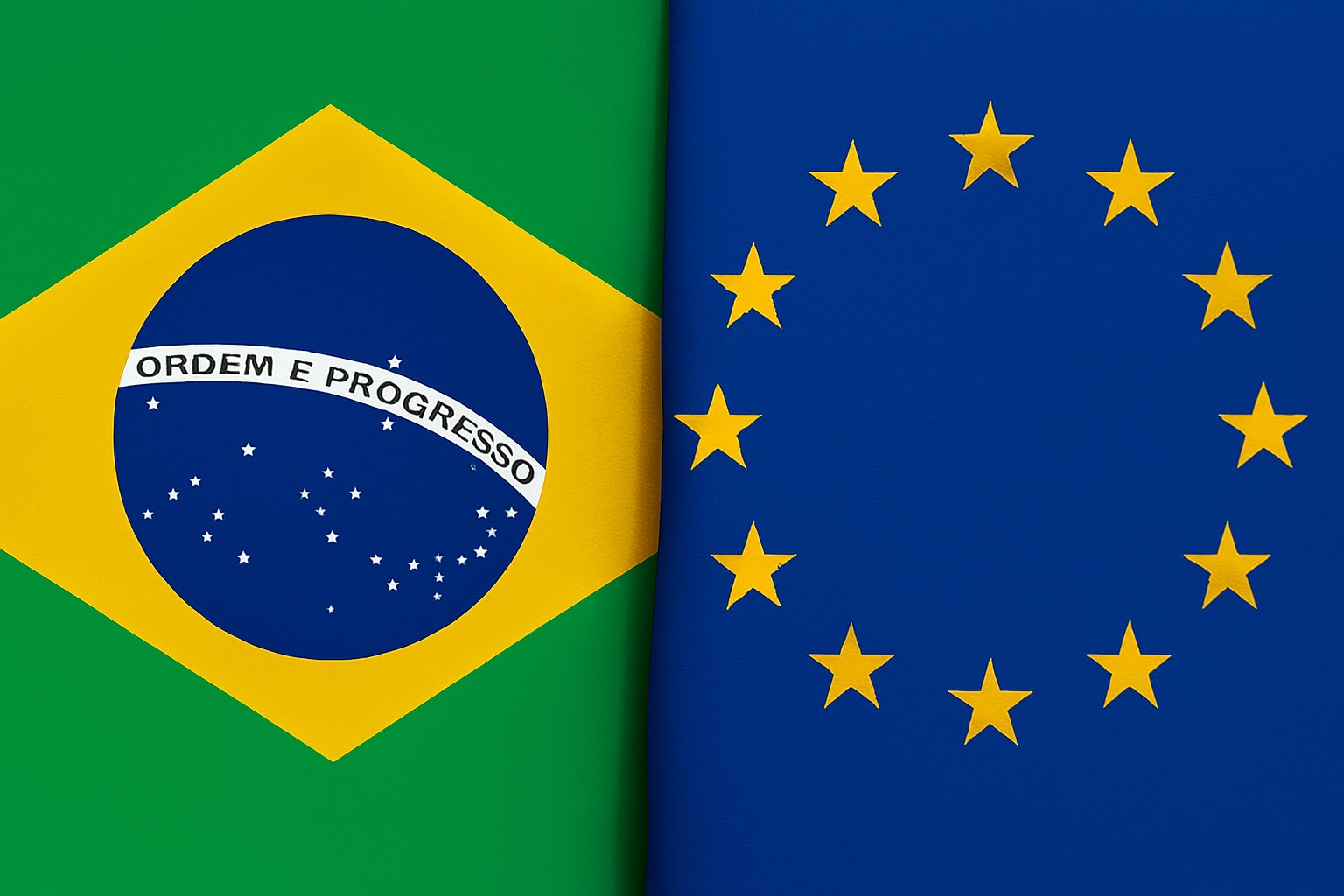
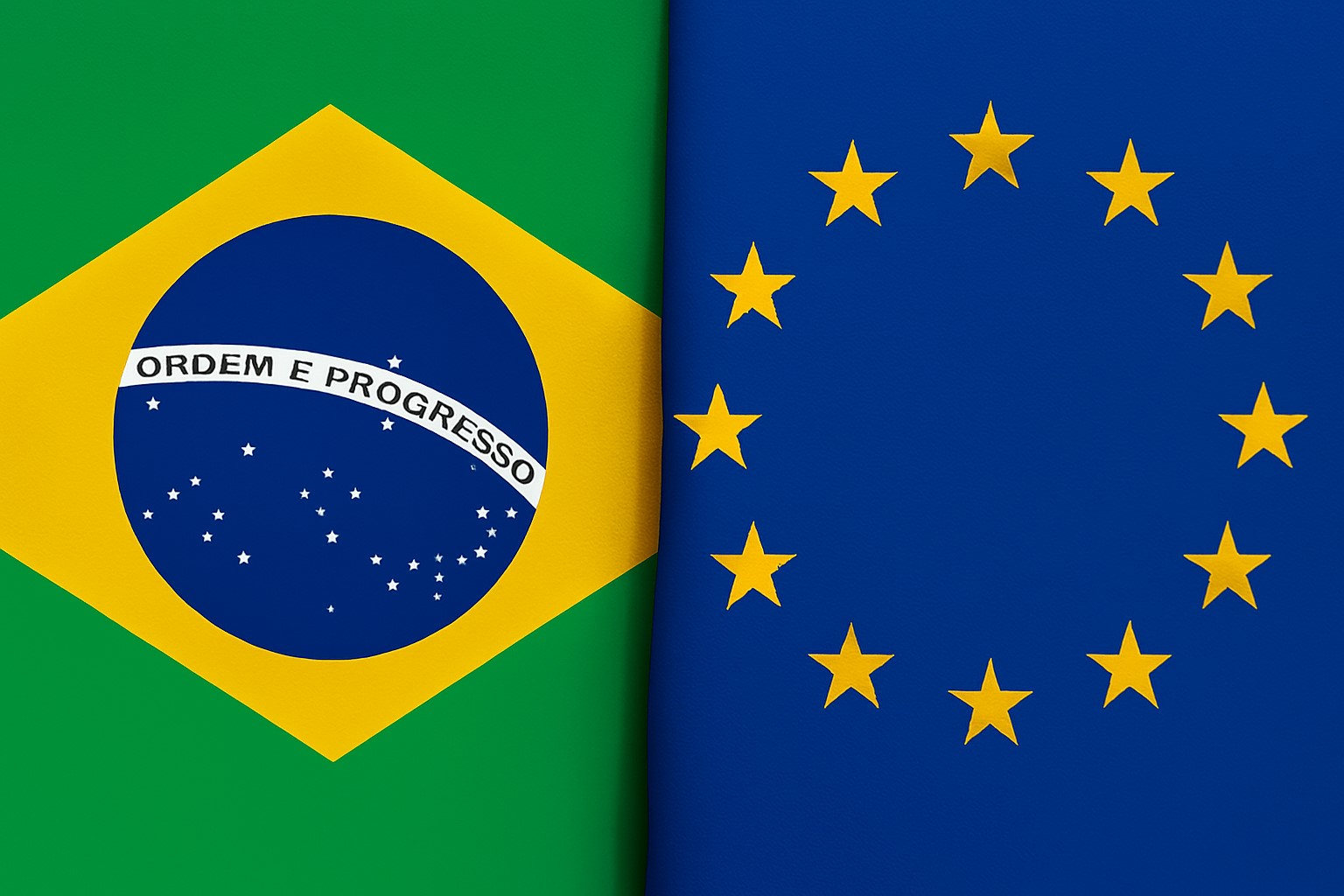
The free trade agreement between Mercosur and the European Union could stimulate investments in the Brazilian energy sector, experts believe.
After 26 years of negotiations, the Council of the European Union approved, last Friday (January 9), the signing of the agreement that will integrate two of the largest economic blocs in the world, bringing together around 720 million people and a GDP of more than US$22 trillion.
According to Luiz Mandarino, executive director of the Energy Center at MIT Technology Review Brasil, the agreement tends to reinforce Brazil as a strategic energy partner for Europe, combining its role as a major oil producer and exporter with a clean and highly competitive energy mix.
In addition to consolidating flows of oil and oil products, the country is increasing its relevance as a supplier of biofuels, low-carbon hydrogen and derivatives such as green ammonia and e-methanol, as well as carbon credits.
“More than immediate tariff gains, the main impact lies in increased regulatory predictability, reduced trade frictions and the strengthening of energy integration between the two blocs,” Mandarino told BNamericas.
In his view, the effect of the agreement will be mainly indirect in the case of oil, by strengthening legal certainty, contractual stability, and logistical integration, with greater impacts on oil products and biofuels, where tariffs and quotas still exist.
“The reduction of barriers can generate direct gains in competitiveness, stimulating export volumes and enabling new industrial projects in Brazil aimed at the European market,” Mandarino noted.
The executive believes that investments tend to grow more in the following areas: offshore wind, including the local supply chain such as ports, foundations, cables and O&M (operation and maintenance), and onshore wind at scale; low-carbon hydrogen and derivatives, such as ammonia and e-methanol, with plants close to ports and industrial clusters; bioenergy and advanced biofuels, such as SAF, HVO and second-generation ethanol; grid infrastructure and digitalization, including automation, metering, flexibility and storage, such as batteries and hybrid systems; and LNG and security of supply, with a focus on logistics infrastructure, optimization and contracts, especially through the integration of trading and industrial demand.
Among the European companies that tend to expand their presence in Brazil are Shell, TotalEnergies, BP and Galp, with a hybrid portfolio that combines upstream, gas, renewables and green molecules, as well as Neoenergia (Iberdrola), EDP, Engie and Enel in renewable generation, networks and solutions for customers.
Mandarino noted that there are challenges to be overcome, such as non-tariff barriers and strict environmental standards, as well as traceability, certification, and emissions measurement requirements, which can increase adaptation costs.
“The success of the agreement, in this sense, will depend on Brazil’s ability to align regulation, governance, and transparency with European requirements, turning environmental compliance into a competitive advantage,” he pointed out.
For Alexei Vivan, CEO of the Brazilian Association of Electric Power Companies (ABCE) and partner at CGM Advogados, the reduction of import tariffs on products and equipment in the electricity sector should, in the medium and long term, encourage greater European investment in Brazil, increase supply and competitiveness, and reduce costs for the benefit of the end consumer.
He emphasized that the European Union is a leader in technologies related to the electricity sector, especially smart grids and meters, grid and substation digitalization, energy storage, green hydrogen, onshore and offshore wind power, and heavy industry equipment such as turbines for hydroelectric and wind power plants.
“On the other hand, although a large part of Brazilian exports is concentrated in the primary sector, the free trade agreement could favor the export to the European market of certain Brazilian manufactured goods, such as power transformers, which are widely exported to the US”, said Vivan to BNamericas.
According to Maria Amélia Braga, a partner in the oil and gas practice at TAGD Advogados, the reduction of tariff and non-tariff barriers, combined with clearer trade rules and customs simplification, strengthens the attractiveness of Brazilian oil in Europe.
“The agreement by itself creates a more stable environment for long-term contracts, international trading and offtake operations, central aspects for the efficient monetization of domestic production”, he told BNamericas.
For the lawyer, the regulatory predictability associated with a broad trade agreement tends to reduce the cost of capital and the perceived risk of projects, which may translate into greater European interest in equity stakes, refining projects, logistics, storage and decarbonization initiatives associated with oil activities, such as carbon capture and storage (CCS) and energy efficiency solutions in offshore and onshore operations.
However, the growing incorporation of ESG criteria into European policies may generate regulatory tensions, especially if the European Union’s internal rules end up indirectly affecting the competitiveness of Brazilian oil.
“Although the agreement provides for cooperation and rebalancing mechanisms to prevent unilateral measures from emptying out trade concessions, the practical application of these safeguards will depend on institutional coordination and on the technical capacity of the Brazilian state and private actors”, warned Braga.
(The original version of this content was written in Portuguese)