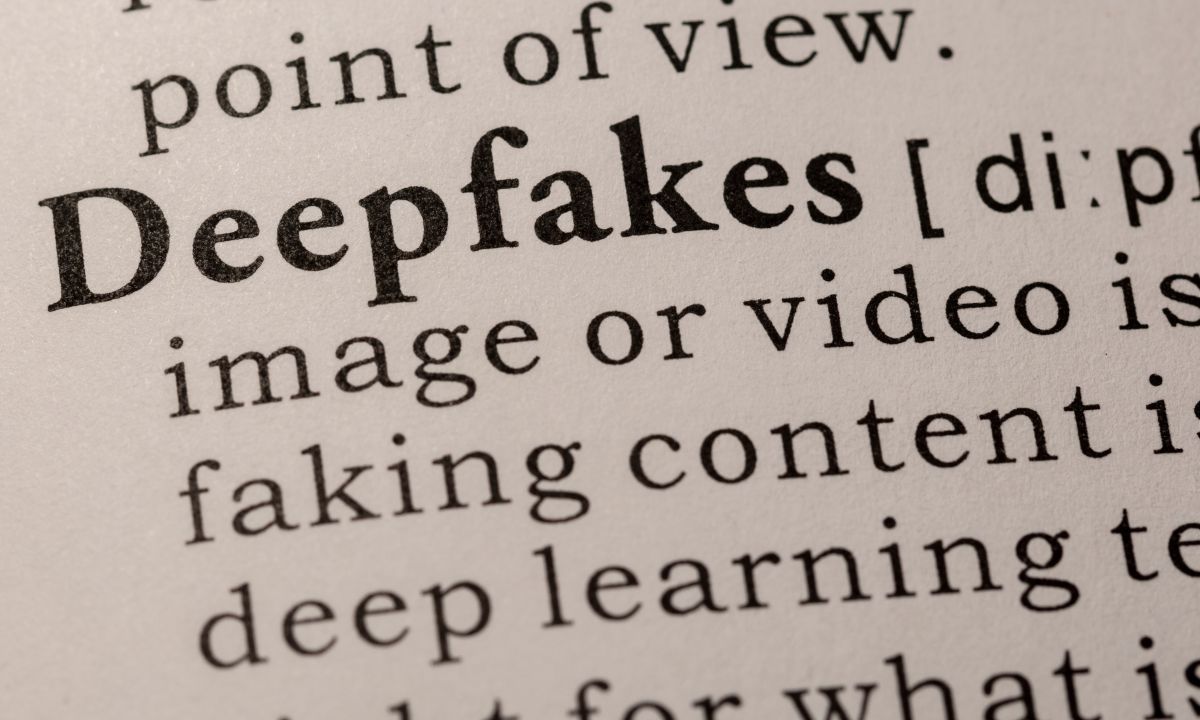
Spain’s government has taken a significant step toward tightening controls on artificial intelligence-generated content, approving draft legislation aimed at curbing deepfakes and strengthening protections around the use of images and voices, according to Reuters.
The bill, approved by the cabinet on Tuesday, is designed to address growing concerns across Europe about the misuse of AI, particularly in the creation of sexual content without consent. Under the proposal, the minimum age at which a person can consent to the use of their own image would be set at 16, and stricter limits would be imposed on reusing images found online or reproducing a person’s voice or likeness through AI without permission, per Reuters.
The legislation places a strong emphasis on protecting children and aligns Spain with broader European Union efforts to regulate deepfakes. The EU is moving toward rules that would require all member states to criminalize non-consensual sexual deepfakes by 2027, according to Reuters.
Justice Minister Felix Bolanos said the widespread sharing of images online should not be interpreted as blanket approval for their reuse in other contexts. “The fact that people share personal or family images on social media does not give absolute freedom to use those images in other contexts,” he said.
Read more: UK Presses X to Curb AI-Generated Deepfake Images as Europe Raises Alarm
The proposed reform explicitly addresses artificial intelligence, classifying as illegitimate the use of AI-generated images or voices of individuals for advertising or other commercial purposes without their consent. At the same time, the law would allow creative, satirical or fictional uses involving public figures, provided that such material is clearly labelled as AI-generated, Bolanos explained.
Spain’s move comes amid heightened global scrutiny of AI tools and their potential for abuse. High-profile cases, including investigations involving AI-generated sexually explicit deepfake images, have intensified calls for clearer legal boundaries, according to Reuters.
Earlier this month, the Spanish government asked prosecutors to examine whether certain AI-generated material could fall under child pornography laws. The Chief Prosecutor’s office confirmed to Reuters that it is reviewing the request.
The draft law is not yet final. It must still go through a consultation process before returning to the government for final approval and eventual submission to parliament, according to Reuters.
Source: Reuters