Derby and Burton hospital leaders have sought to reassure patients
13:48, 13 Jan 2026Updated 16:29, 13 Jan 2026

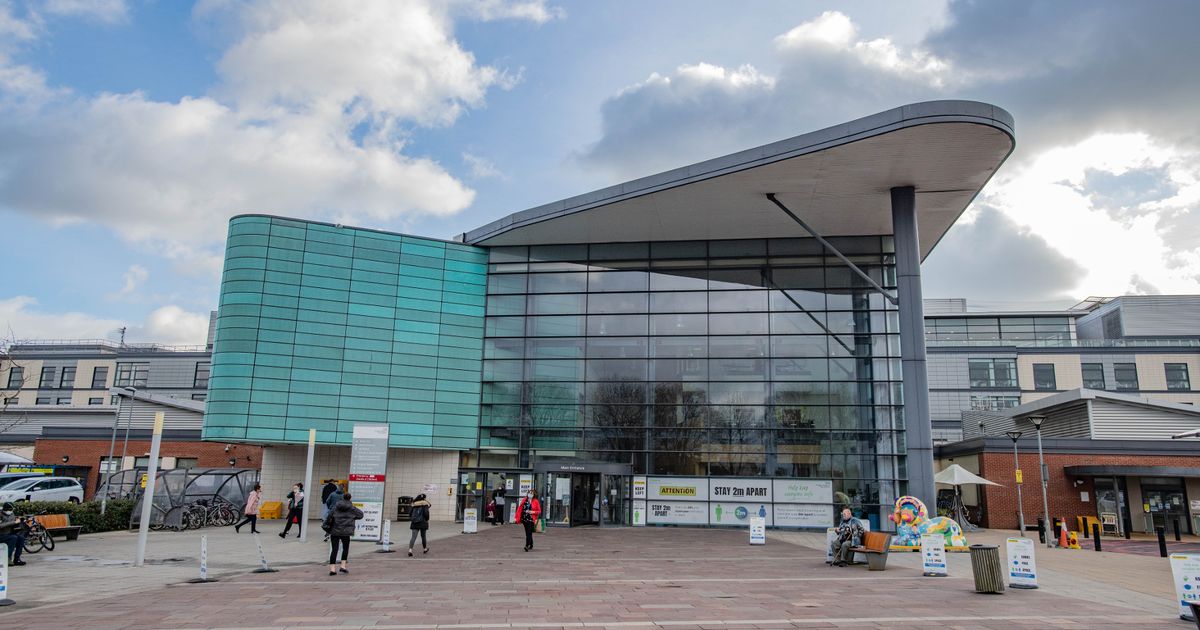
Derby’s hospital leadership have warned ‘many difficult decisions’ lie ahead(Image: Derby Telegraph)
Derby’s hospital leadership have warned “many difficult decisions” lie ahead to resolve “catastrophic” budget issues, but have given reassurances about patient safety and quality of care.
A board meeting held today (Tuesday, January 13) by the University Hospitals of Derby and Burton NHS Foundation Trust heard the depths of the issues faced by the organisation.
Leadership said that the £70 million budget gap faced by the trust next year and the £28 million shortfall it is set to end this financial year with in March present a difficult “conundrum”.
Stephen Posey, the trust’s chief executive, alongside other members of the board, stressed that the need to get a hold of the organisation’s budget will not lead to a reduced focus on patient safety or quality of healthcare services.
He said it is not an adversarial “versus” situation but was going to be a consistent effort to achieve a good balance between the two, apologising for any patients waiting too long to be seen or treated.
Mr Posey said there would be “no easy decisions” in the years ahead and detailed that budget issues would take more than a year to resolve.
Chris Sands, executive chief finance officer, said the organisation was in regular talks with NHS England over its budget issues and said key targets would be the amount of money spent on agency and bank staff (who fill support roles and vacant shifts) and would reduce “discretionary” pay – such as for overtime – on a “safe basis”.
The Derby and Burton hospital trust is the third largest NHS provider in terms of elective (optional) treatments, the meeting was told, and was also facing a 2,000-patient increase in appointments.
Its waiting list, as of December, includes 30 people who have waited more than 65 weeks for treatment – way in excess of a year. Three of these are children needing surgery, the meeting was told.
Ian Lichfield, outgoing interim trust chair, said the organisation’s financial position is under “significant pressure” and must remain focused on “driving efficiencies while retaining patient safety” with greater levels of accountability needed.
He argued: “When patients have to wait a long time for services, that is not compassionate care.”
Prem Singh, returning trust chairman, said: “The challenges we know aren’t going away. We will continue to face significant service pressures caused by increased demand and a growing waiting list while we juggle the huge financial pressure.
“We will have to make lots of difficult decisions. It is not going to be easy, but I am confident we will succeed.”
He said the NHS “needed to pull out the stops” to overturn “unacceptable delays to care, including himself, having recently waited more than 15 hours (8am to 11.30pm) – elsewhere in the NHS, not at UHDB – between being told he would be discharged, to receiving the medication that he needed to go home.
Mr Posey said the trust was facing pressure this month from high demand for care with knock-on impacts on patient “flow” through the hospital, including discharge back home or to another care facility, along with ambulance handovers.
He said staff showed flexibility, professionalism and resilience and thanked them for their efforts over the winter, reiterating that the trust was “intently focused on providing the best possible care”.
Mr Posey said: “Many of our patients will have waited longer than they should and I am really sorry for that. Reducing our waiting list is our absolute priority.”
He said the financial position of the trust was being treated with the “utmost seriousness” by leadership and was “increasingly challenging”.
The £70 million budget gap it faces next year represents five per cent of the trust’s turnover (in excess of £1 billion) Mr Posey said, which was the similar level as at other NHS organisations.
He said: “The key risks remain and are well understood and will be appropriately mitigated.”
Mr Singh said he agreed that the financial position faced by the trust was “eye-watering” and said “there is a lot more we can do”.
He said: “These conundrums (between waiting lists and saving money) are real.”
Amanda Rawlings, executive chief people officer, said industrial action in the week before Christmas had left “a lot of tired staff”, which could not be ignored.
Paran Govender, executive chief operating officer, said one in four patients visiting the trust’s A&E departments waited more than 12 hours to be seen.
She said the organisation would continue to stress to patients on waiting lists: “We haven’t forgotten you, we know where you are.”
Ms Govender said “two-thirds” of discharge delays rested with the hospital trust, not with providers such as the county or city council, other NHS organisations or the ambulance service.
Mr Posey had detailed in a report written for the meeting: “Reduced reliance on premium solutions (e.g., weekend working and insourcing), supported by improvements in theatre productivity and outpatient flow, is helping stabilise costs while maintaining access and safety.
“This demonstrates that we do have opportunities to deliver efficiencies without compromising quality, but it is clear that we must do more at pace.”