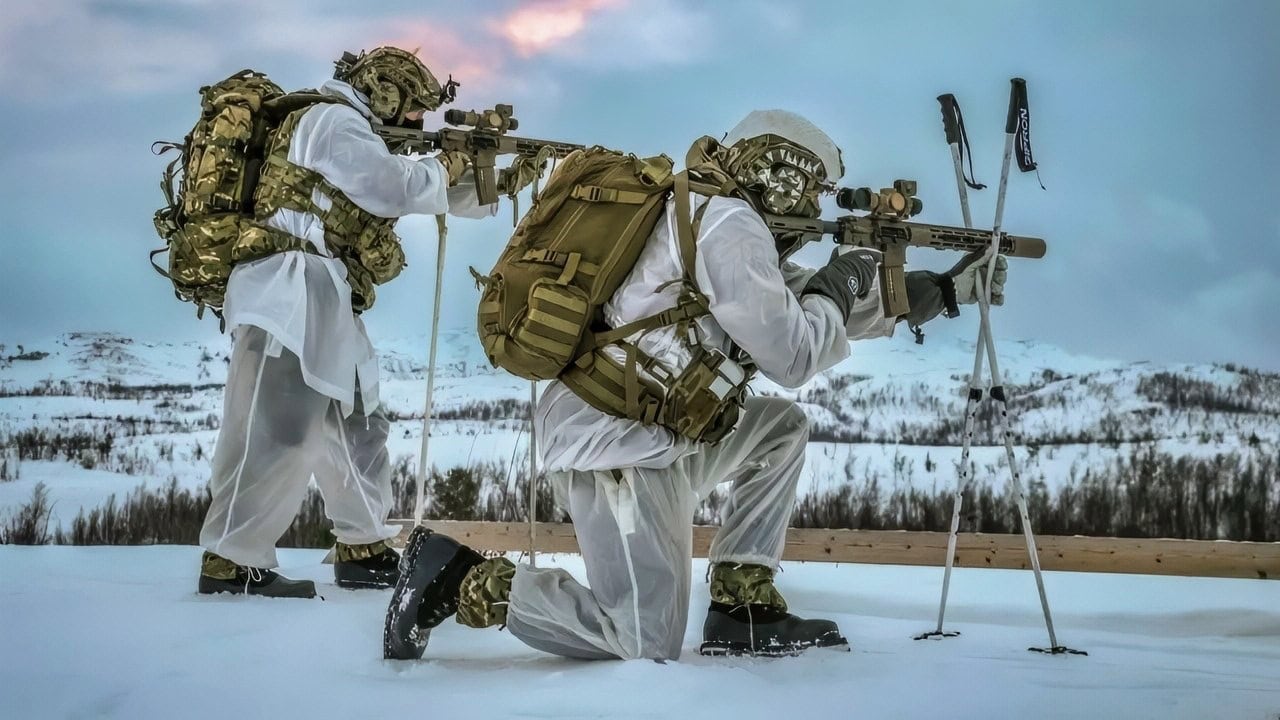
Summary and Key Points – The UK and Norway have signed the historic “Lunna House Agreement,” permanently stationing 1,500 Royal Marines in northern Norway year-round.
-Moving beyond seasonal winter drills, this pact establishes “Camp Viking” near Øverbygd as a forward operations hub to deter Russian aggression in the Arctic.
The deal deepens NATO’s northern defense with shared advanced capabilities, including unmanned systems and a future interchangeable fleet of Type 26 frigates.
-The expanded force will participate in Exercise Cold Response 2026, demonstrating NATO’s readiness to protect critical sea lanes and infrastructure on its northern flank.
UK Will Station Royal Marines in Norway Year-Round
The United Kingdom and Norway have agreed to deepen their defense partnership in the Arctic, enabling British Royal Marines to be stationed in northern Norway year-round instead of only for seasonal winter exercises.
The expanded deployment plans are set out in the Lunna House Agreement, a defense pact signed in late 2025 to deepen military cooperation between the two NATO allies.
Under the new arrangement, the UK’s Commando Force, led by the Royal Marines, will operate across Norwegian territory year-round.
Previously, British Marine deployments in Norway were limited to annual winter training and joint drills with Norwegian and other NATO forces.
Why the Arctic Matters and What’s About to Happen
The Arctic region – especially northern Norway and the High North – has become strategically significant due to its proximity to Russia and critical sea and air routes.
NATO refers to this broader area as its northern flank, and enhanced allied presence there is intended to strengthen deterrence and collective defense.
The expanded UK-Norway cooperation deal is part of a broader NATO effort to adapt to the region’s constantly evolving security dynamics.
Year-round presence in the region will mean that roughly 1,500 Royal Marines, along with their vehicles and helicopters from the UK’s Commando Helicopter Force, will be based out of Camp Viking near Øverbygd in northern Norway.
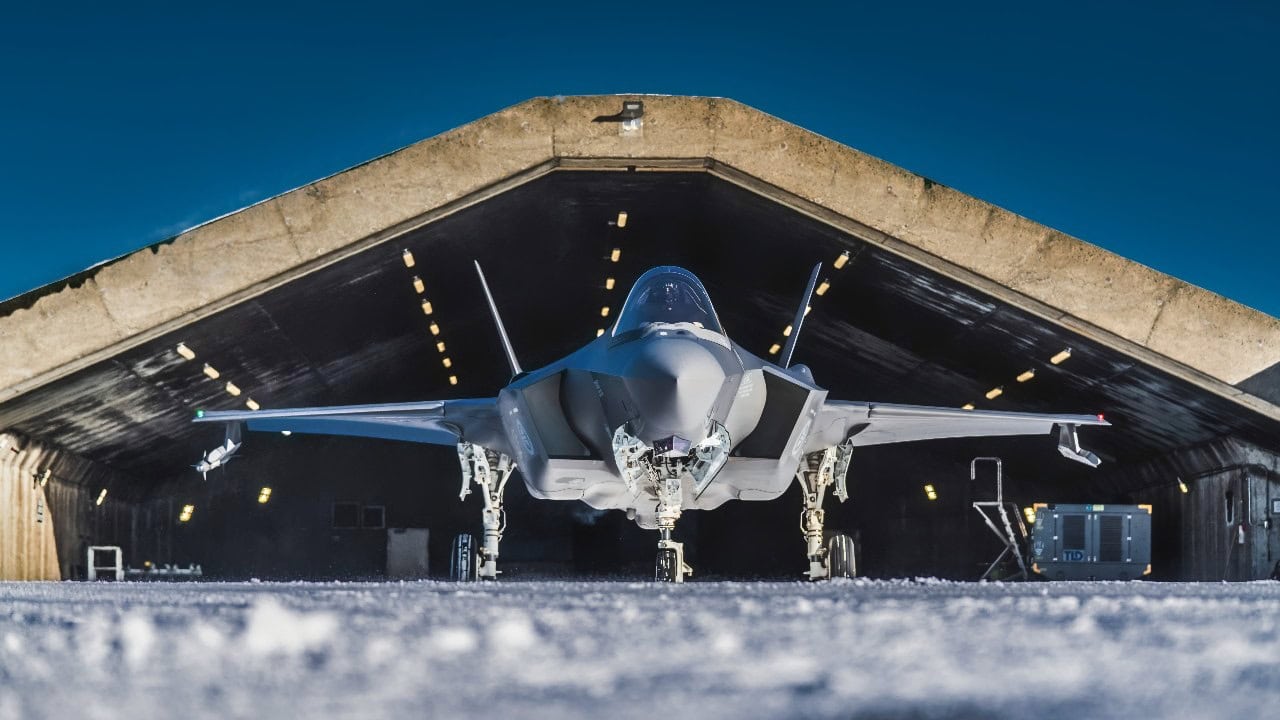
A Royal Norwegian Air Force F-35 Lighting II fighter leaves its shelter at Keflavík Air Base in Iceland. Norway sent the fighters to Iceland, which doesn’t have its own air force, in February 2020.
The camp has served as a forward operations hub since its establishment in 2023, enabling rapid access to Norwegian coastal and mountainous training areas.
The forces are expected to take part in Exercise Cold Response 2026, one of Norway’s largest multinational military exercises, designed to test allied readiness in harsh Arctic conditions and demonstrate NATO cohesion.
Royal Marines are the UK’s specialists in cold-weather and mountain warfare, with decades of experience operating in northern environments.
Their new and expanded role in the region will formalize a long-standing Arctic training practice and turn it into a persistent defense commitment.
The Lunna House Agreement
The Lunna House Agreement not only increases troop presence but also includes cooperation on advanced capabilities, including unmanned systems, undersea warfare, and joint development or integration of naval platforms such as Type 26 frigates – all of which support collective NATO deterrence in the North Atlantic and Arctic region.
The Lunna House Agreement was formally signed on November 30, 2025, during a bilateral meeting between UK Defence Secretary Grant Shapps and Norwegian Defence Minister Bjørn Arild Gram, setting out a long-term framework for closer military integration between the two countries.
The agreement explicitly builds on decades of UK winter training in Norway but goes further by committing both sides to persistent UK commando activity on Norwegian soil and to expanded access to Norwegian bases and infrastructure.
About the Author:
Jack Buckby is a British researcher and analyst specialising in defence and national security, based in New York. His work focuses on military capability, procurement, and strategic competition, producing and editing analysis for policy and defence audiences. He brings extensive editorial experience, with a career output spanning over 1,000 articles at 19FortyFive and National Security Journal, and has previously authored books and papers on extremism and deradicalisation.