Wednesday 14 January 2026 4:55 am
| Updated:
Tuesday 13 January 2026 5:42 pm
Share
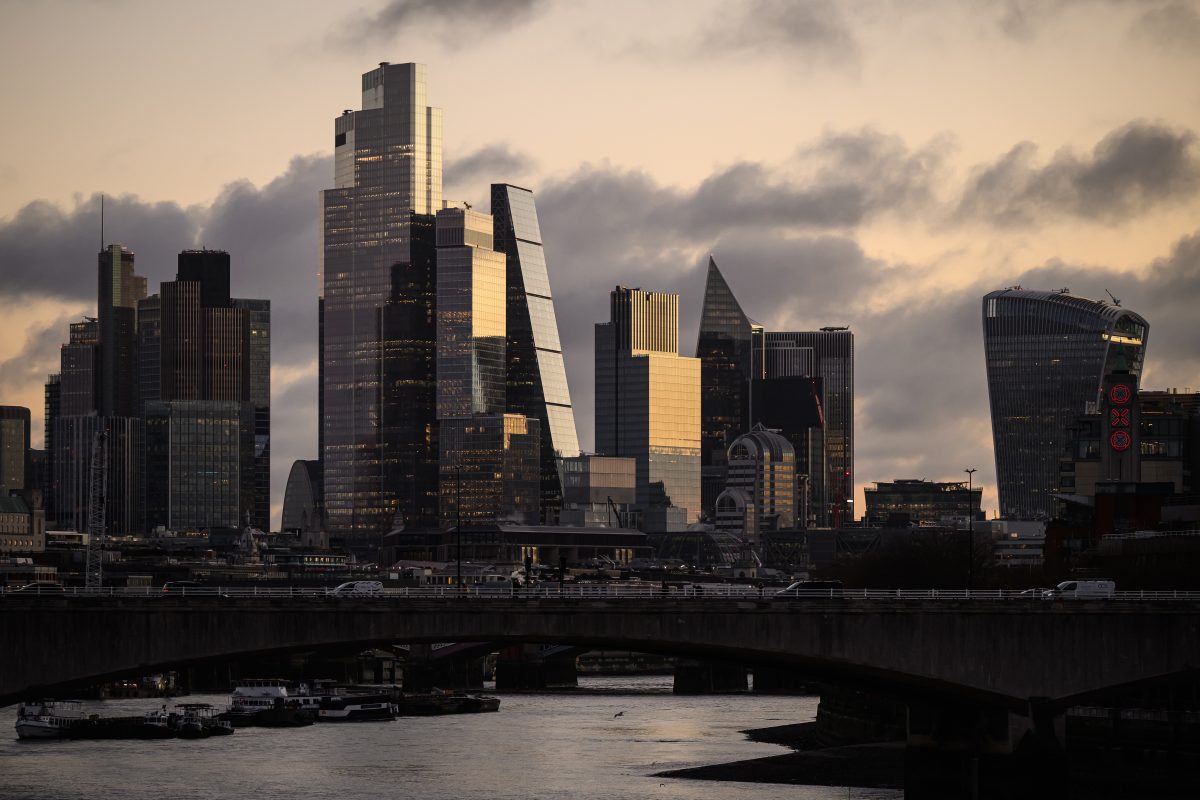
 Financial services firms have pushed back against EU integration. Getty Images.
Whisper it, but Brexit is slowly inserting itself back into our national conversation.
We remain, thankfully, a long way from the frenzied tribalism of the referendum campaign or the energy-sapping parliamentary drama that followed, but while these days Nigel Farage may be more interested in small boats than backstops, the issues is being discussed – with varying degrees of enthusiasm – as we approach the ten year anniversary of the vote.
Keir Starmer’s government is seeking a closer relationship with the Single Market, though not membership of it. Ministers have trumpeted the UK’s return to the Erasmus student scheme, despite it being an inferior arrangement to the UK’s own post-Brexit Turing scheme. Now the focus is on agricultural trade, with the ambition to reduce red tape for UK farmers and producers, albeit at the potential cost of binding the UK to future EU rules.
All this goes to prove that Brexit was never going to be ‘one and done’ – as close trading partners with shared security concerns we were always destined to explore the boundaries and flexibility of any post-Brexit settlement, not least as different governments come and go on either side of the channel. This is perfectly reasonable.
But as someone who had a front row seat to the City’s role in the referendum campaign and subsequent negotiations, permit me to point out that those who warned of the Square Mile’s demise outside the European Union have been proven quite wrong.
Of course, in as far it can ever speak with one voice, the City would have preferred to avoid the disruption and uncertainty that followed the vote to leave, but as an intensely pragmatic entity and, armed as it is with hard-won advantages, there was never any doubt that it would chart a new course, post Brexit, and thrive. In 2015 there were 455,000 workers in the City of London, whereas today there are almost 700,000.
Headcount is only one measure, but given the warnings of irreparable job losses, it is one worth noting. And as a new report points out today, the City has been successful in diversifying into global markets while EU banking activity involving UK institutions has actually increased by 60 per cent since 2016. And the UK has been ahead of every other European country for financial services foreign direct investment in every year since 2016.
There is little enthusiasm in the City for putting financial services on the table as part of Starmer’s ‘reset,’ beyond exploring sensible and mutually beneficial reductions in friction. While this pragmatic attitude doesn’t imply that Brexit has been pain free, it does suggest that the City has, rightly, moved on.
Read more
Brexit division to return to parliament in bill for EU deal
Similarly tagged content:
Sections
Categories
People & Organisations