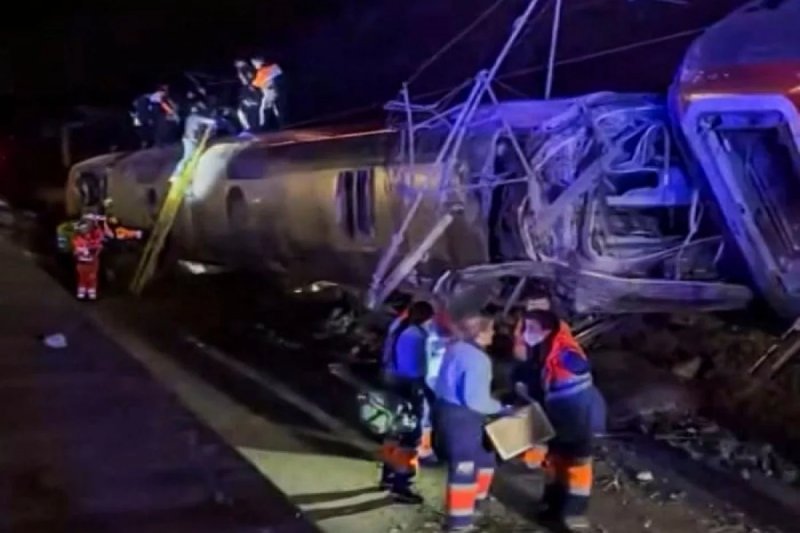
A high-speed train derailed and collided with an oncoming train Sunday evening in southern Spain, killing at least 21 people and injuring 73 others, according to Transport Minister Óscar Puente, News.Az reports.
Puente confirmed after midnight that all survivors had been rescued but warned additional victims could still be discovered.
Rail operator Adif has suspended all train services between Madrid and Andalusia cities through Monday as investigations continue. The collision involved an Iryo train, operated by a private company, and a Renfe train, Spain’s public rail service.
The Context
This collision represents one of Spain’s most serious rail accidents in over a decade, marking the country’s deadliest train disaster since the Santiago de Compostela derailment in July 2013.
That crash killed 79 people when an Alvia high-speed train traveling from Madrid to Ferrol derailed on a curve while traveling at twice the posted speed limit. The 2013 disaster was Spain’s worst rail accident in over 40 years and remains the second-deadliest high-speed train accident in history after Germany’s 1998 Eschede train disaster.
What To Know
The accident occurred at 7:45 p.m. local time near Córdoba when the tail end of an Iryo train carrying approximately 300 passengers traveling from Malaga to Madrid derailed, jumped onto the opposite track, and slammed into a Renfe train with around 200 passengers heading from Madrid to Huelva.
According to Puente, the back portion of the Iryo train crashed into the front of the Renfe train, knocking its first two carriages off the track and down a four-meter (13-foot) slope.
The front section of the Renfe train sustained the worst damage, with at least four wagons completely derailed. The 73 injured passengers have been distributed across six different hospitals throughout the Andalusia region. The accident occurred in a difficult-to-access area during early evening hours, forcing hundreds of survivors to be rescued in darkness.
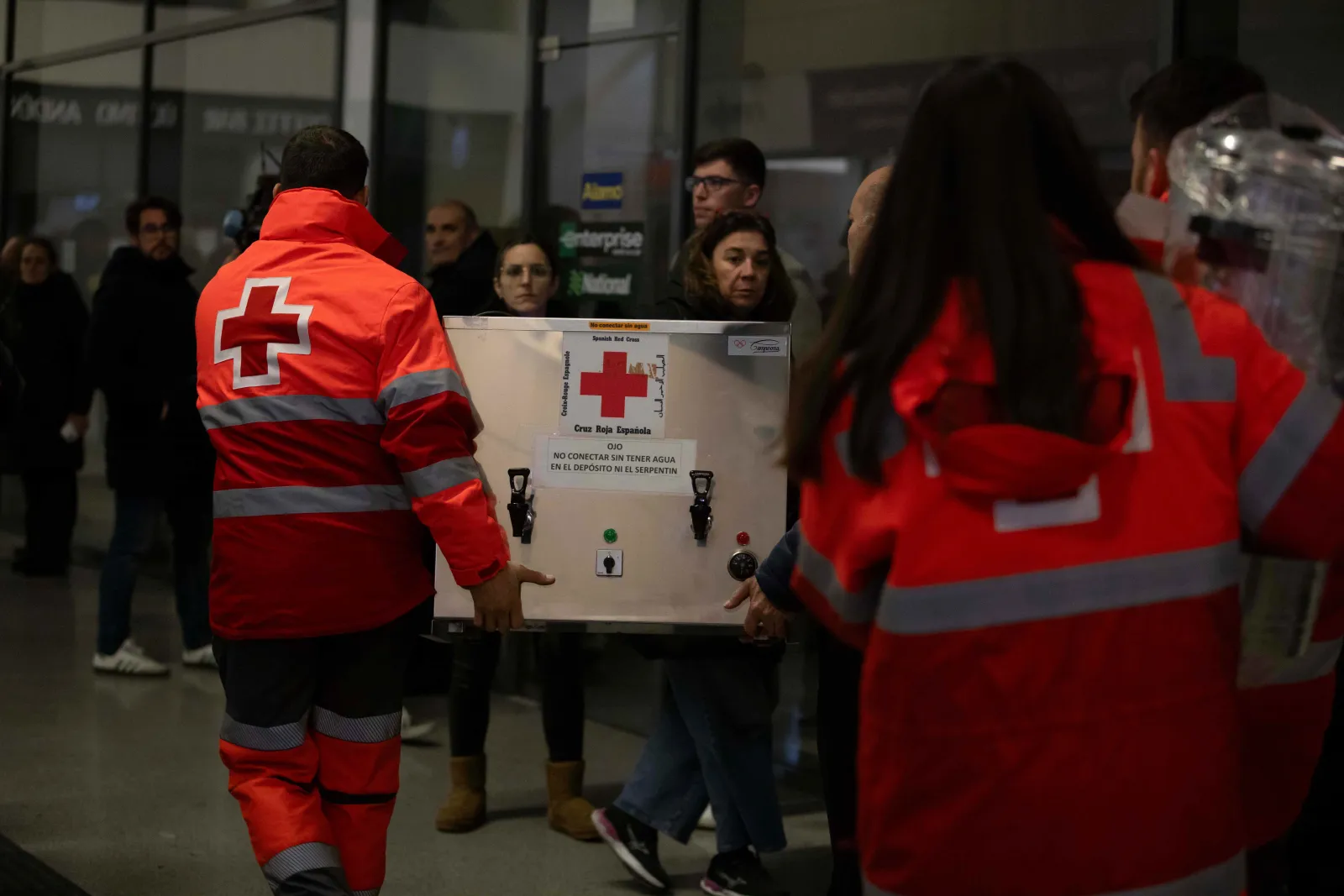
Local residents responded by bringing blankets and water to assist victims at the scene. Spain’s military emergency relief units deployed alongside other rescue services, with the Red Cross providing additional healthcare support.
Survivors used emergency hammers to break windows and escape the wreckage, with some carriages leaning at severe angles. Salvador Jiménez, a journalist for Spanish broadcaster RTVE who was aboard one of the derailed trains, described the moment of impact as feeling “like an earthquake.”
Videos from the scene showed passengers crawling out of windows to escape the damaged carriages.
What People Are Saying
Antonio Sanz, Andalusia Regional Health Chief: “The situation at the crash site is very serious. We have a very difficult night ahead.”
Ursula von der Leyen, European Commission President, posted on X: “I receive the terrible news from Córdoba. My deepest condolences to the families and loved ones of the victims of the railway accident and to the Spanish people. I wish the injured a swift and full recovery. Tonight you are in my thoughts.”
Iryo Rail issued a statement, saying the company: “Deeply lamented what has happened” and confirmed it was working with authorities to manage the situation.
María Belén Moya Rojas, Regional Civil Protection Chief, told Canal Sur: “The accident happened in an area that is hard to reach.”
What Happens Next
Transport Minister Puente will lead an investigation into the crash’s causes, which could take approximately one month to complete.
Train services between Madrid and Andalusia cities will remain suspended Monday as officials assess the infrastructure and clear the accident site.