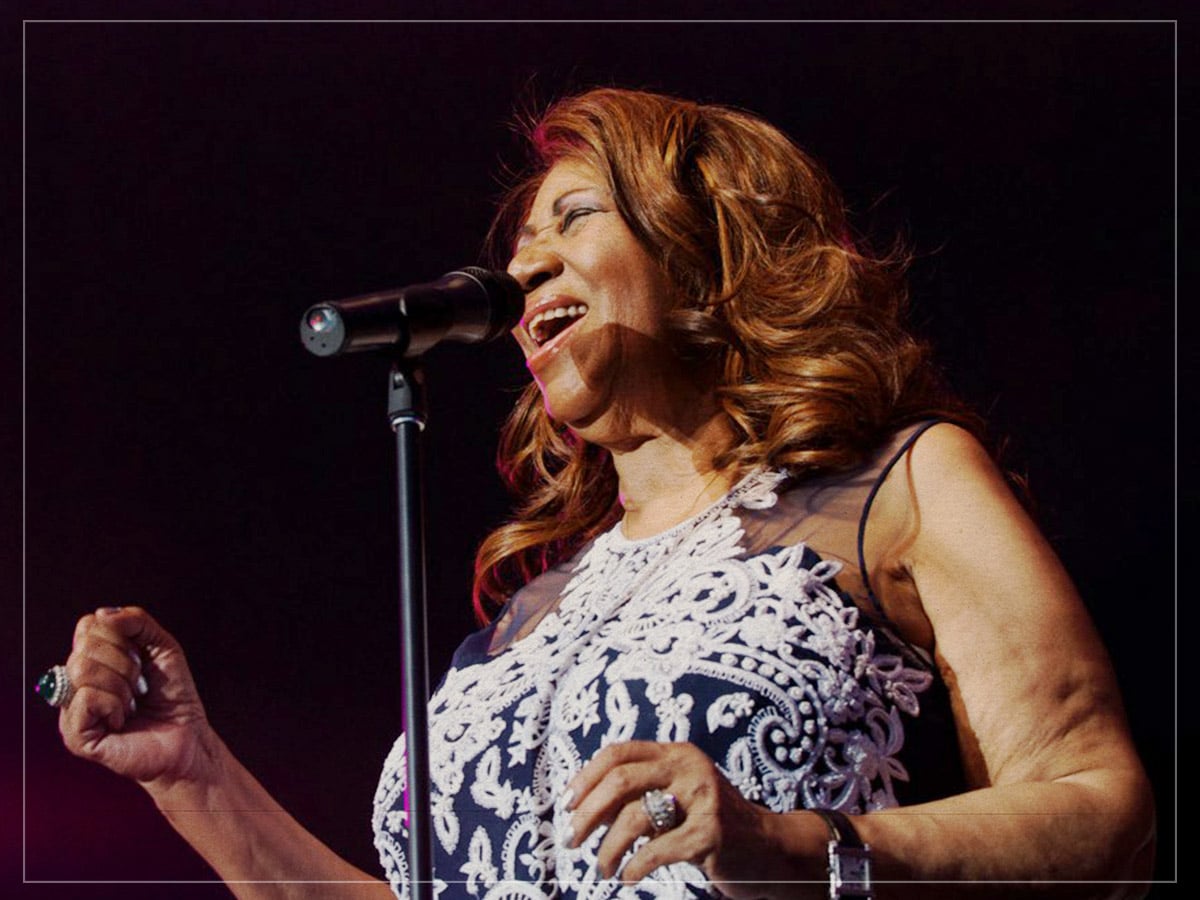
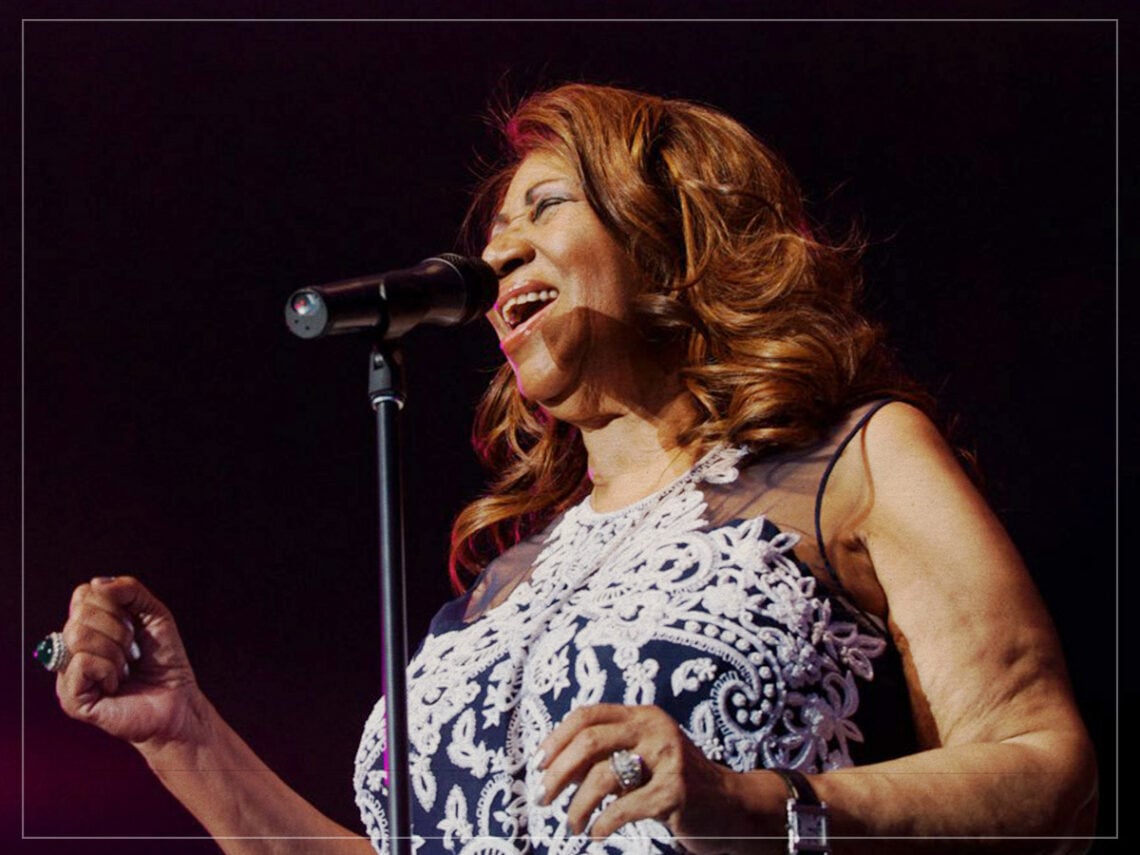
(Credits: Far Out / Mike Bouchard)
Sun 18 January 2026 21:00, UK
Motown Records was an impenetrable music empire back in its 1960s heyday, ruling over the R&B realm with an unparalleled roster of talent and a knack for generating chart-topping hits. If there was any one person who could rival the sheer talent of the label, though, it was Aretha Franklin – the undisputed queen of soul.
Although Franklin now – and quite rightly, too – maintains a reputation among the greatest vocalists who have ever lived, having amassed an utterly unparalleled discography of soul excellence, that wasn’t always the case. In fact, when Motown was making its first marks on the musical landscape, Franklin was floundering as an underappreciated vocalist on the roster of Columbia Records.
Her time at Columbia was famously tumultuous, seeing her record a vast range of different styles, none of which seemed to have any impact on the mainstream. To make matters worse, Berry Gordy had offered Franklin a deal at the then-newly established Motown label before she ever signed for Columbia, but her father-cum-manager, CL Franklin, turned it down on her behalf. Had she signed for Gordy’s Detroit label, her career trajectory would have probably looked very different.
Nevertheless, by the time the 1960s drew to a close, Franklin had gotten firmly back on track, earning a litany of utterly iconic hits for Atlantic Records and standing in a league entirely of her own. Still, though, she never lost sight of what was going on in the realm of Motown, a world in which she came very close to being a part of.
Even if the vocalist occupied a different space within the world of soul, though, that didn’t stop her from boasting some degree of crossover. Namely, one of her defining tracks, 1973’s ‘Until You Come Back To Me (That’s What I’m Gonna Do)’, was written and originally recorded by Motown’s flagship star, Stevie Wonder.
Wonder’s 1967 recording of the song was shelved by Motown at the time, leaving Franklin with the irrefutable opportunity to record the defining version of the soul classic. In a move which must have stung for the chart-obsessed Berry Gordy, her version topped the R&B charts upon its release, peaking at number three in the pop charts, too.
Seemingly, that track inspired a lifelong friendship and artistic appreciation between Wonder and Franklin, who crossed paths on various occasions, including apparent plans for a collaborative album shortly before Franklin’s tragic passing back in 2018. In the wake of that death, Wonder spoke at length about his adoration for the vocalist, telling the BBC that she “was an incredible singer and she touched every genre. Every singer was influenced in some way by the way she sang.”
That appreciation certainly went both ways, too, with Franklin herself citing Stevie Wonder as Motown’s greatest asset. “He’d just work those synthesisers so beautifully, the songs were so right, and they all had the right groove from cut to cut,” she declared.
Stevie Wonder’s flawless discography certainly changed the landscape of soul and R&B, along with the career of Aretha Franklin, but the enduring friendship between those two iconic songwriters does leave a lot of unanswered questions over what might have happened if Franklin had been allowed to sign for Motown all those years ago.
Related Topics