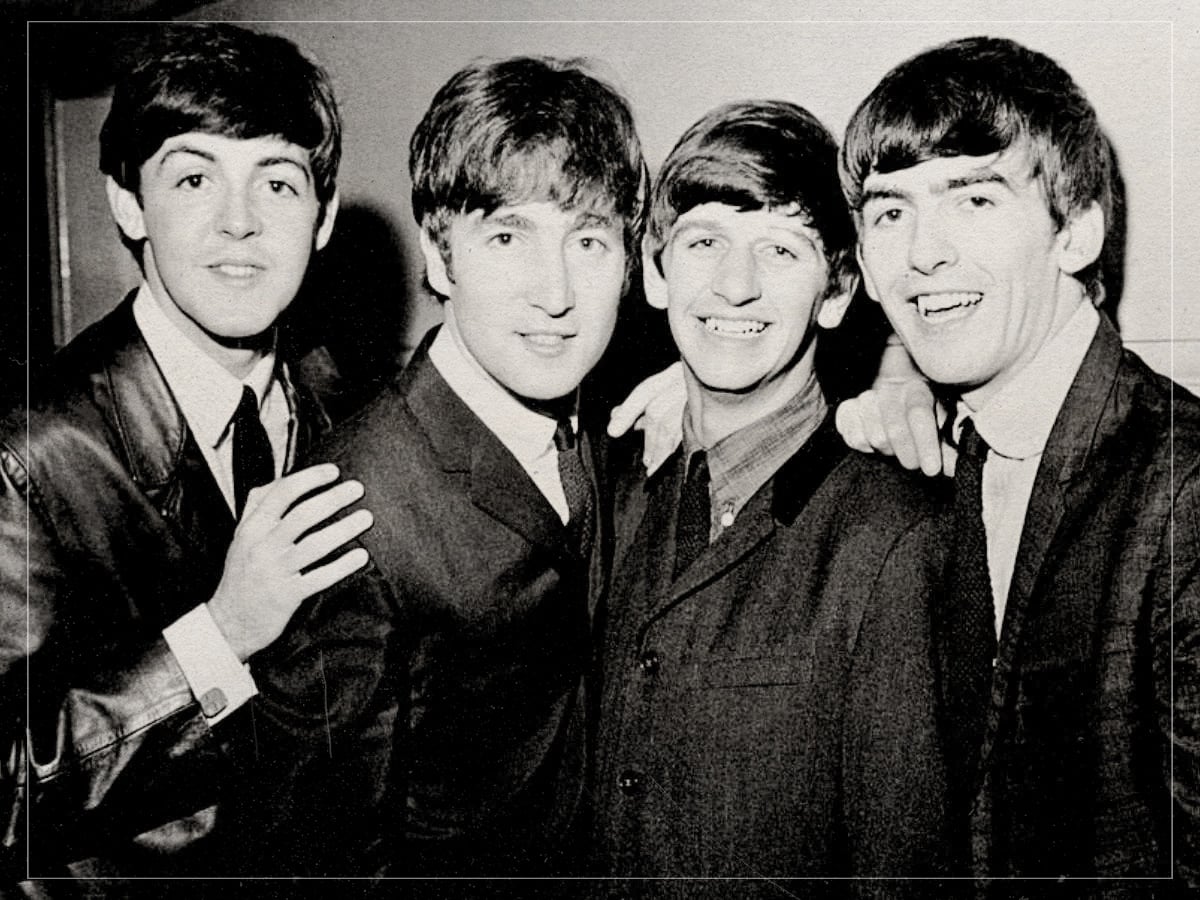
(Credits: Far Out / Alamy)
Tue 20 January 2026 12:00, UK
No other artist sits atop the peaks of cultural primacy like The Beatles, for better or worse.
Elvis Presley is more iconic, but Liverpool’s finest commands such a presence in pop music lore that their lauded pedestal can put people off. Let’s be clear, they deserve the status.
Across their barely eight-year tenure, The Beatles reeled off an exhaustively high-standard songbook, pushing the pop medium to vastly creative terrain, cementing the standard of the in-house writing team, spearheading the British invasion, and definitely realising the album as an artist’s premier offering on 1967’s Sgt Pepper’s Lonely Hearts Club Band opus.
Yet, future generations being bludgeoned with ‘the greatest band ever’ tag has resulted in a more than fair fatigue with The Beatles’ lofty bar. It’s a shame, because when shifting aside a stuffy heritage industry’s perma-fawning over the Fab Four, their eclectic body of work reveals itself to be infinitely more dazzling, flawed, leftfield, and fundamentally, more interesting than can appear to the sceptical newcomer.
Still, The Beatles’ byword for ultimate musical standard looks set to stick around a while yet, even after nearly 65 years since their ‘Love Me Do’ debut first dropped. With such unrivalled pop cultural stature, it would take an artist of serious braggadocio, some would say downright arrogance, to suggest they were going to top even The Beatles’ towering heights.
Such loose-lipped hubris was par for the course during Oasis’ Britpop chutzpah across the mid-1990s. Buoyed by the phenomenal success of (What’s the Story) Morning Glory?, and touching a level of national stardom not too dissimilar to Beatlemania’s whirlwind frenzy, a very drunk Noel Gallagher made the fantastic declaration to MTV in 1996 that Oasis were “bigger than The Beatles”.
 The Gallagher brothers in their Britpop peak. (Credit: Alamy)
Oasis absolutely found themselves at the zenith of a musical and cultural bloom during their UK chart domination, scoring a moment when Britain experienced a boost in national confidence and global attention unseen since the 1960s’ swinging era. Yet, the Manchester rock outfit didn’t touch The Beatles, in record sales or musical development.
“When Oasis started, we were so big we were compared to them size-wise and musically, embarrassingly, compared to them as well,” Gallagher confessed to NME during a preview screening for Disney+’s The Beatles: Get Back. “[It’s embarrassing] because we weren’t as good as them.”
Gallagher’s intoxicated bluster hadn’t gone unnoticed. The fact is, Paul McCartney was an admirer of Oasis’ populist anthems, but was acutely aware of just how fraught such a statement was for any band’s reputation. “Oasis were young, fresh and writing good tunes,” he told Q. “I thought the biggest mistake they made was when they said ‘We’re going to be bigger than The Beatles’. I thought, ‘So many people have said that, and it’s the kiss of death.’ Be bigger than The Beatles, but don’t say it. The minute you say it, everything you do from then on is going to be looked at in the light of that statement.”
McCartney knew this too well. With The Beatles coming to a close in 1970, no one felt the little Merseybeat band’s colossal shadow as much as The Beatles themselves; extra pressure was heaped on McCartney as his debut solo was the first released following the official break-up, Ringo Starr’s Sentimental Journey issued just before in March.
So what to do? Well, McCartney didn’t try to top The Beatles. Instead, after a couple of solo records, he formed his Wings venture with wife Linda and former Moody Blues guitarist Denny Laine and sought to hit reset, starting a new band for a new decade and even eschewing his former laurels by avoiding any Fab Four songs in Wings’ early sets and playing the small university circuit across the UK, a far cry from the stadiums and arenas The Beatles would fill out during their peak.
“The Beatles had a very special combination of talents … as has been proved by its longevity,” McCartney told NPR. “The stuff we did together still sounds good and still lives today. So it was a question of how can you get better than that? And I think I just have to say, ‘Well, you can’t. But if you want to keep going, you should maybe think about starting something else.’ So I did.”
That’s the trick. The Beatles never set out to be the greatest band of all time™, whatever that means, but simply were driven to be the best they could be amid the creative wave they organically rode. For any future artists with the same level of hunger and ambition, and considering how distant The Beatles’ oeuvre is fast becoming as we move further and further into the 21st century, rather than failing to pole-vault the Fab Four’s impossible bar, establish a new game, set different artistic heights, and make a new musical mark destined to upend the world in a wholly unique but just as revolutionary fervour.
Related Topics
The Far Out Beatles Newsletter
All the latest stories about The Beatles from the independent voice of culture.
Straight to your inbox.