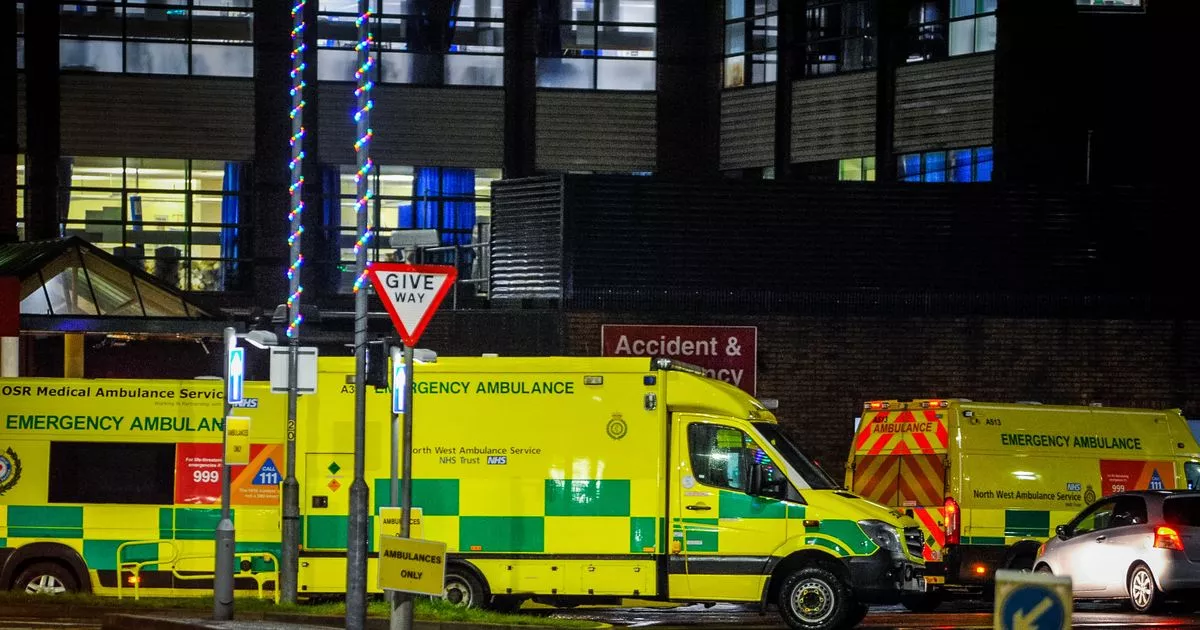
‘We are in a really difficult position’, said the region’s most senior health leader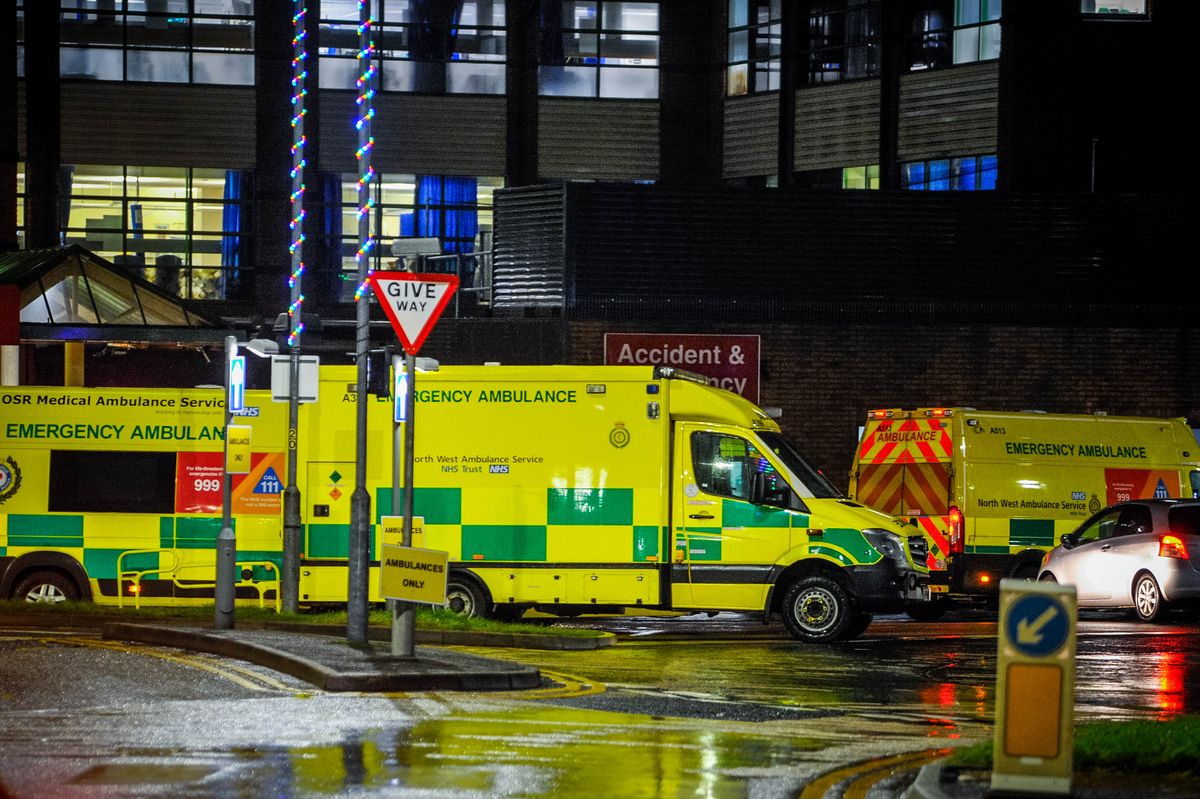
Some of the region’s hospitals have moved ‘in and out of OPEL 4 over the course of the last few days’(Image: Vincent Cole – Manchester Evening News)
Greater Manchester’s hospitals have been on the highest pressure level in the NHS in recent days.
Some of the region’s hospitals have moved ‘in and out of OPEL 4 over the course of the last few days’, senior health leaders confirmed today (January 21). OPEL 4 refers to the NHS’s operational pressure levels, with level four being declared when a hospital is unable to deliver comprehensive care and patient safety is at risk.
January is often the most challenging time for the NHS, following an already difficult time for Greater Manchester’s hospitals before Christmas.
December saw spiralling flu cases, leading to hundreds being admitted to hospital. The Manchester Evening News has also reported on hours-long waits for beds.
During a meeting of the Greater Manchester Integrated Care Board, which plans and pays for NHS health care in the region, acting chief executive Colin Scales said: “We are in a really difficult position in Greater Manchester at present in respect of the demand for urgent care that’s being experienced.
“We have moved in and out of OPEL 4 over the course of the last few days.
“Some trusts are under particular pressure, some sites within trusts are under even greater pressure than that.”
Mr Scales said that pressure on urgent care in hospitals had been well managed before Christmas. The region’s hospitals were at around 80 per cent capacity, considered by NHS leaders as acceptable during the depths of winter, when demand is highest on the NHS.
“While the pressures during the course of the Christmas period and the run up to Christmas enabled us to get to a position of 80 per cent which was great in anticipation of the demand that was going to come,” he said.
But now, the region’s hospitals are ‘under significant duress’. Mr Scales continued: “We are continuing to support the system, expediting discharge and managing demand for urgent care.
“It’s important for us to know that the system [as can often be the case in January] is under significant duress.”
OPEL levels are a way of hospitals managing extremely busy moments – it can allow for the pausing of less urgent work so resources can be directed to the most urgent patient care as it’s needed.
The integrated care board, also referred to as NHS Greater Manchester, said that some hospital trusts have reached that highest level of alert, but the whole of Greater Manchester has not been at that level at any point. It has not been confirmed which hospitals have been on the highest level of pressure.
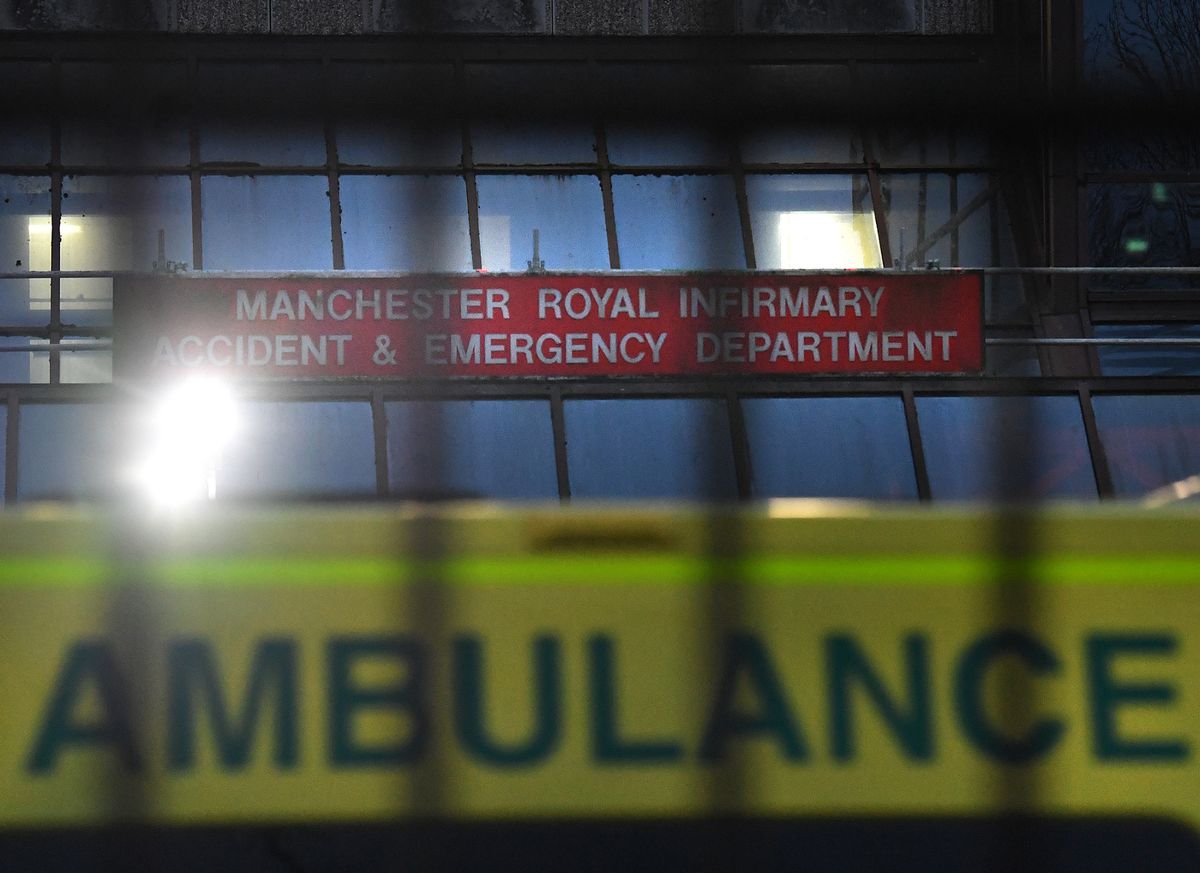
Winter is the most difficult time of the year for the NHS(Image: Sean Hansford | Manchester Evening News)
The board said that the NHS in Greater Manchester is experiencing seasonal pressures ‘typical for this time of year’, as cold weather leads to more people going to A&Es and being admitted to hospital. In some places, admissions have exceeded discharges, meaning there are fewer beds available and longer waits for new cases coming into emergency departments.
The board added that staff sickness, including flu and other seasonal illnesses, continues to affect capacity, despite attempts to mitigate the impact.
And delayed discharges remain a national problem, according to Greater Manchester’s NHS. That’s where patients who are medically ready to leave hospital can’t be discharged because the right care, support, or placement isn’t available immediately in the community.
“Across other sites, intermittent pockets of pressure during the day can also lead to longer ambulance handovers, although these pressures are not consistent across all hospitals,” said the body. “In winter, there is less flexibility to absorb extra demand, so small changes, can have a bigger knock-on effect across primary care, hospitals, the ambulance service, and community services.
“Additional factors beyond patient flow, such as operational or business continuity issues, can also create temporary pressure points.”
An NHS Greater Manchester spokesperson: “Winter is always a busy time for the NHS. Our teams work hard every day to keep services running and make sure people can get the care they need. By coordinating across all NHS services and using proactive measures such as same-day GP appointments, the Falls Lifting Response Service, and same-day emergency care, which helps people be assessed and treated without needing to be admitted to hospital where appropriate, we are managing pressure across the system.
“If you’re unsure where to turn, NHS 111 can help you find the right place to get care. People can also access urgent mental health support 24/7 via NHS 111 by selecting option two.”