
Protein is one of the three macronutrients essential to one’s diet, and for vegetarians, legumes, pulses and vegetables become the primary source. Protein is crucial for building, repairing, and growing muscles, bones and tissues, along with cell repair and a healthy immune system.
While the recommended protein intake varies based on factors such as age, weight, and daily movement levels, Kanikka Malhotra, Consultant Dietitian and Diabetes Educator, shared that adults require a minimum of 0.8 grams of protein per kilogram of body weight daily to meet basic needs.

“For active individuals, the amount can shoot up to 1 gram per kilogram, and 1.2 to 1.3 grams for those who engage in regular high-intensity exercise,” she told indianexpress.com.
While vegetables provide many nutrients, including some protein, they are not as high in protein as meat or legumes. So, of all the countless veggies crowding the market, which one offers the most protein and can help meet your dietary requirements? Edwina Raj, Head of Services – Clinical Nutrition & Dietetics, Aster CMI Hospital, Bangalore, helped put our curiosity to rest.
Which one has the highest protein?
Reiterating that, despite their protein content, including vegetables in your diet is important, Raj revealed that edamame has the most protein. “High-protein vegetables like edamame and peas help meet protein needs, especially for vegetarians,” she said.
Edamame is a young soybean with many health benefits. “One cup of cooked edamame contains about 18 grams of protein. It is also rich in fiber, vitamins, and minerals like iron, calcium, and magnesium. Eating edamame can help build muscles, support bone health, and improve heart health by improving energy levels in the body,” she explained, adding that its regular consumption is believed to combat Alzheimer’s disease, depression, bone loss and inflammation.
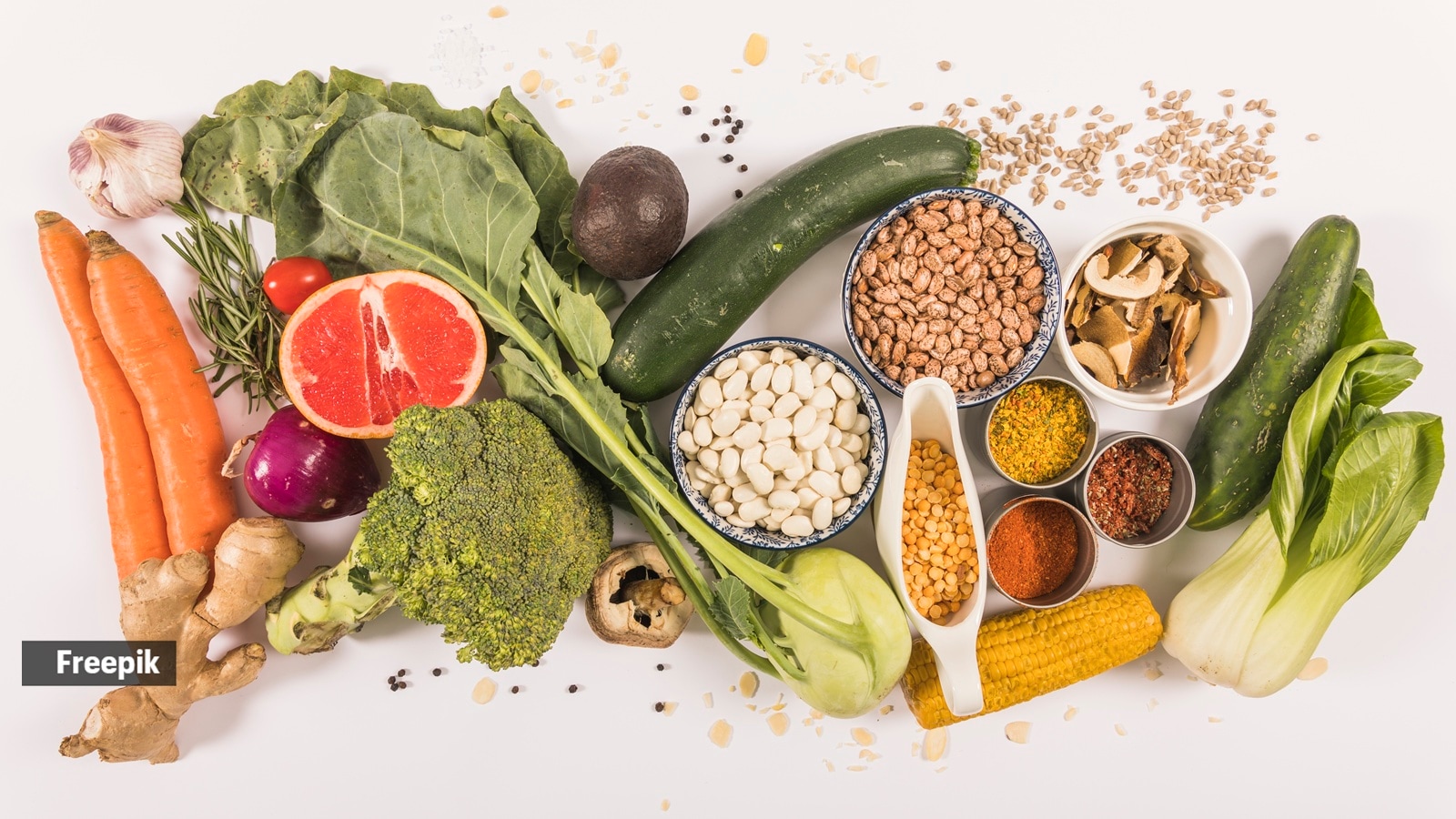 This vegetable has the least amount of protein. (Source: Freepik)
Raj added that other vegetables with higher protein include spinach, broccoli, peas, and kale. They also provide antioxidants, which protect the body from damage, and fiber, which helps digestion and keeps blood sugar levels steady.
Story continues below this ad
Which one has the lowest?
“Cucumbers or lettuce have the least amount of protein, usually less than 1 gram per cup, but they are important for health as they add water, vitamins, and minerals to your diet,” said the nutritionist. They are also low in calories, which helps in managing weight. These vegetables provide vitamins, minerals, and antioxidants, which help the skin, reduce inflammation, and support heart health.
However, Raj emphasised that eating a variety of vegetables supports overall health, including strong muscles, good digestion, healthy heart, and a strong immune system.
DISCLAIMER: This article is based on information from the public domain and/or the experts we spoke to.