‘It started a new era of cruising’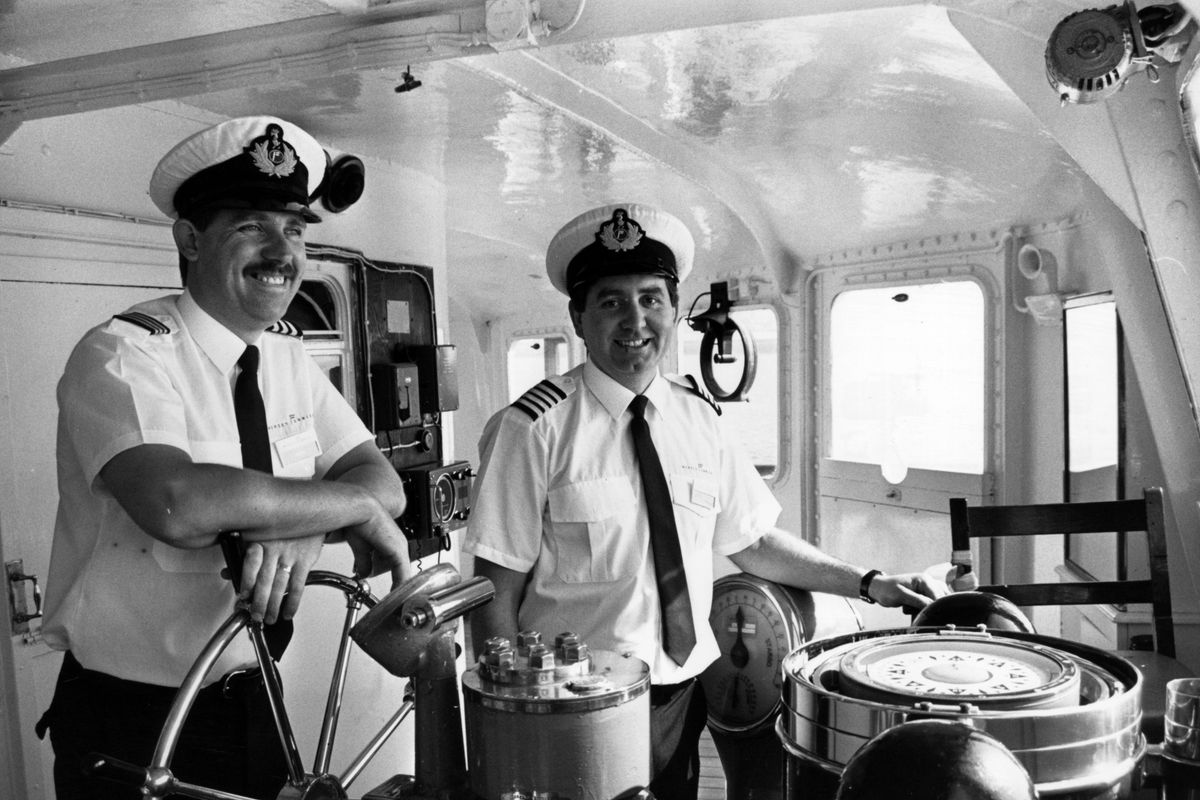
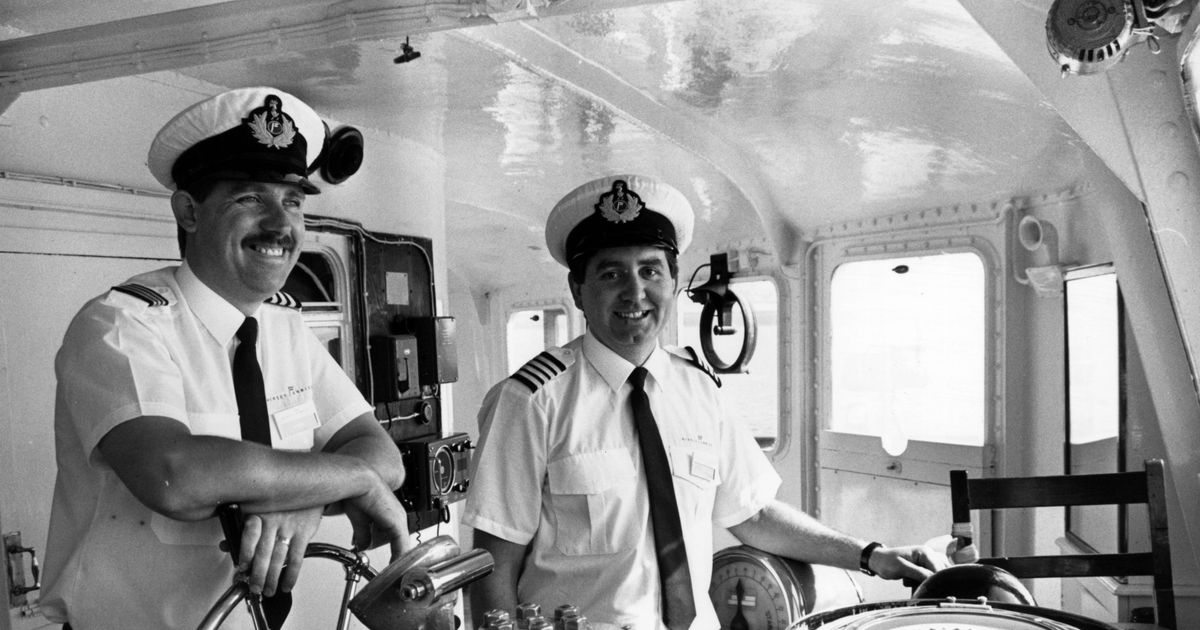
MV Royal Iris, Captain Tony Murphy (right) and first mate Robbie Quinn steer the Iris out to meet the QE2 24 July 1990(Image: Mirrorpix)
A much loved ferry set sail in Liverpool for the last time 35 years ago this month. On January 12 1991, the Royal Iris cruised on the River Mersey for the last time The vessel, which could accommodate up to 1,000 people, was a fixture on the River Mersey for more than 40 years.
Alongside its regular crossings, the boat hosted dances, live bands, and river cruises “from eight ‘til late” where passengers would drink, dance, and tuck into fish and chips or “soup in a basket”.
Maritime writer and broadcaster Peter Elson told the ECHO: “It was a new concept at the time as it was built as a cruise ferry. It was operated by Wallasey Corporation and was designed to go from the Pier Head down to New Brighton and Seacome for commuter purposes.
“It started a new era of cruising.”
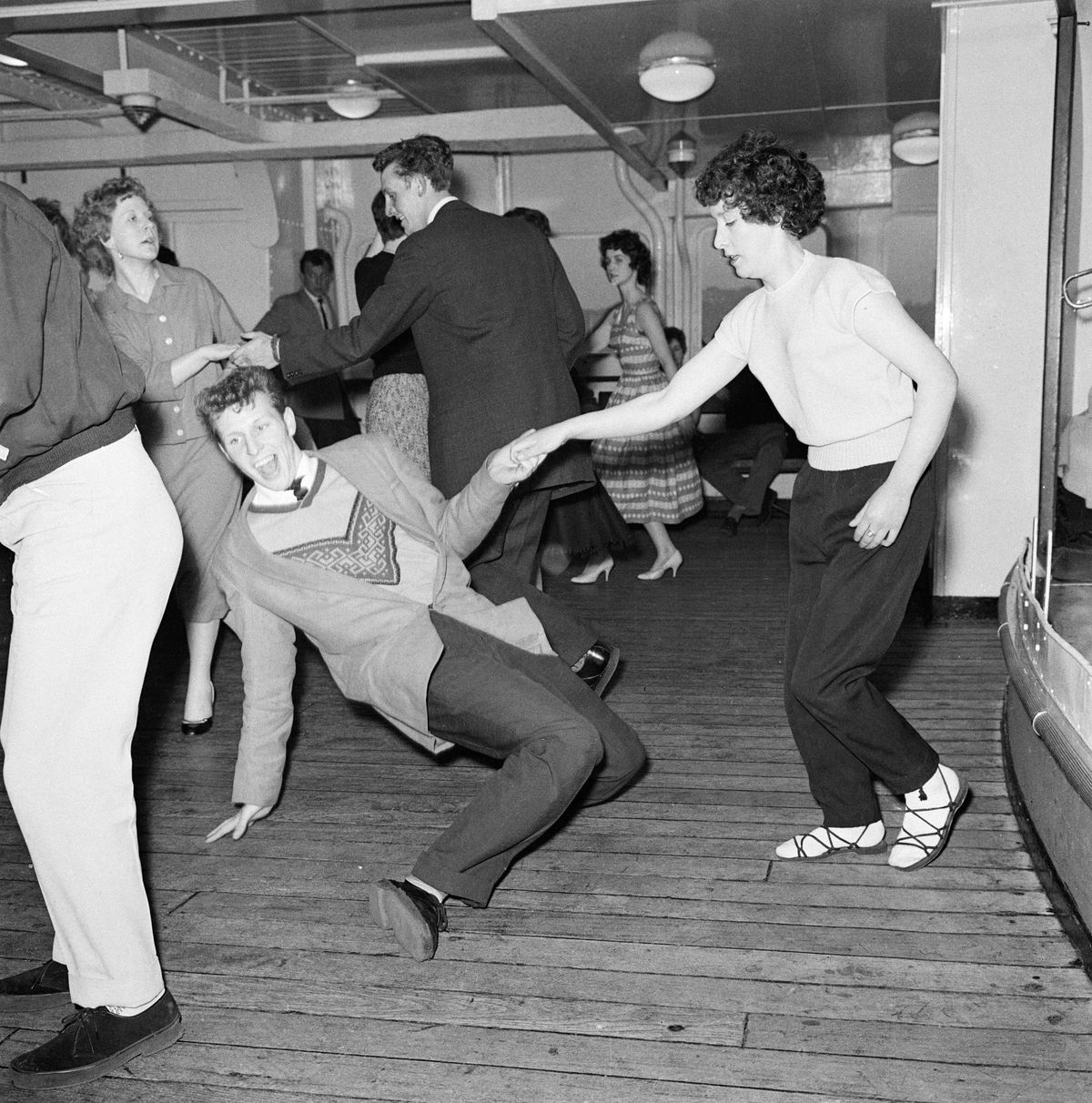
Rock ‘n’ Roll dancing on the pleasure boat “Royal Iris” on the River Mersey in April 1958.(Image: Mirrorpix)
Built for £256,000 at Dumbarton on the Clyde in 1950, MV Royal Iris came to Liverpool the following year and from there inspired Gerry Marsden‘s iconic anthem Ferry Cross the Mersey.
The Royal Iris hosted many famous faces including The Beatles and Gerry and the Pacemakers who both performed onboard as well as hosting Queen Elizabeth II and Prince Philip in 1977 as part of her Silver Jubilee celebrations.
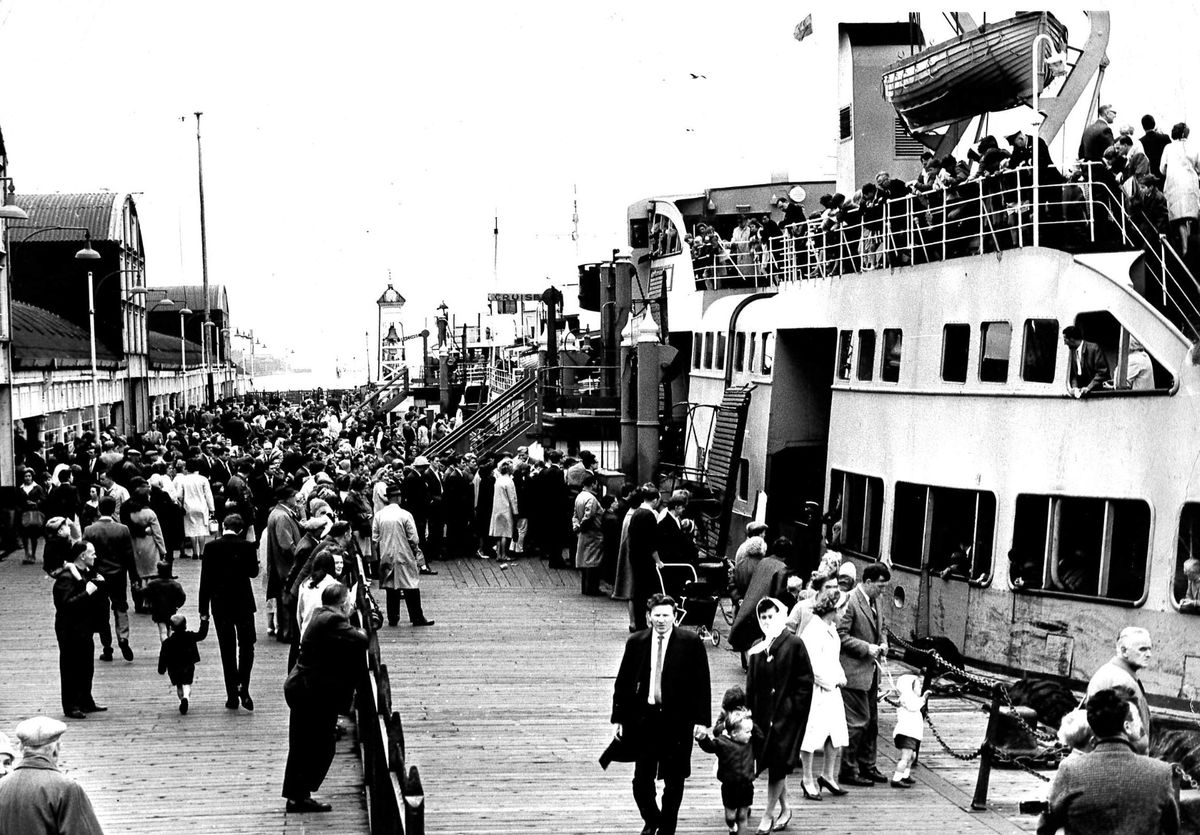
A busy 1960s scene at the landing stage in Liverpool as the Royal Iris prepares for another cross-river trip.(Image: Liverpool ECHO)
Peter, 68, who has lived in and out of Liverpool since 1964 but now lives in St Helens, said: “She had the biggest ballroom afloat and a sprung dance floor.
“When it came to the Mersey Beat era in the 60s she was ideal for operating evening cruises. All the great bands from that era played on board so it was hugely popular.
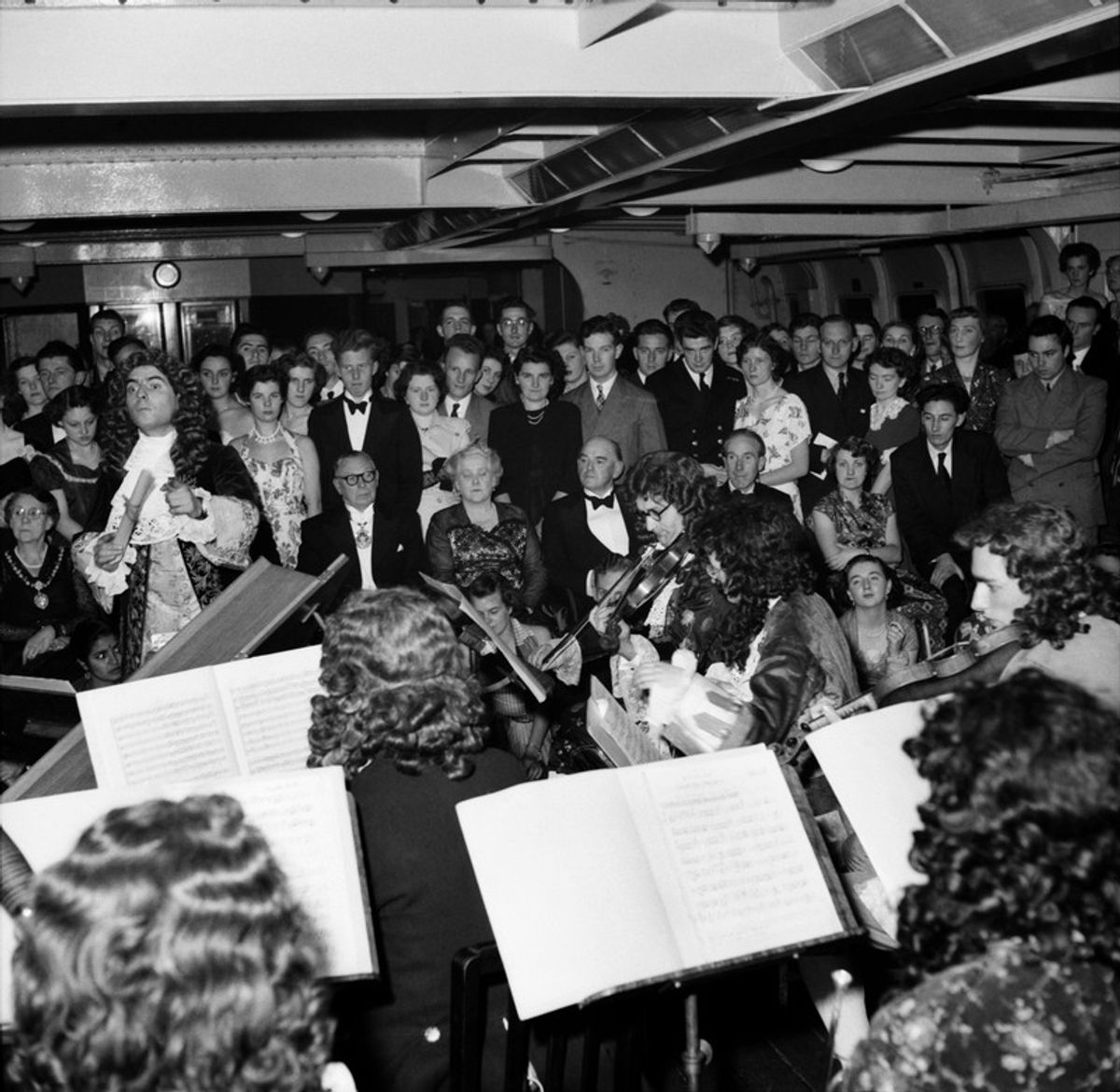
Liverpool chamber music group in 18th Century costume aboard the Royal Iris in September 1952.(Image: Mirrorpix)
“The ship didn’t look like anything else before. She was bigger and chunkier because she had a ballroom and bars and they even put a steak restaurant onboard. It was all designed in an art deco style.
“Unlike the traditional liveries of the other ferries she was this kind of creamy colour and green. She looked entirely different. She had the nickname the floating block of flats because of her shape and size.”
When a second tube for four-lane traffic opened in The Kingsway Tunnel in 1974 to ease post-war congestion, the use of the ferries started to decline.
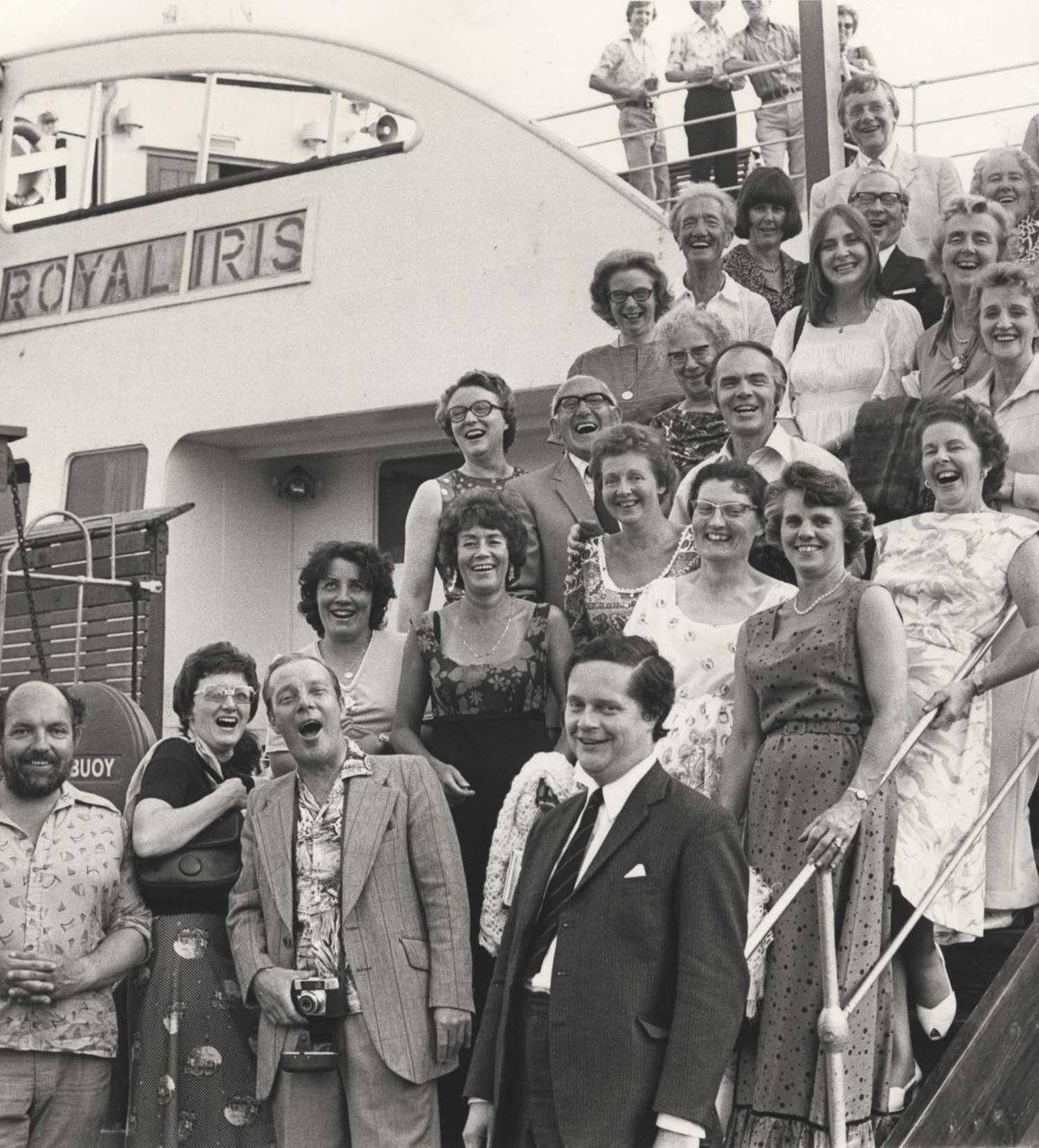
Members of the Liverpool Philharmonic Society get together for a sing-song before the start of a cruise down the Mersey on board the Royal Iris on July 6, 1976.(Image: NW2 TRINITY MIRROR)
Peter said: “It started to decline rapidly. She was showing her age and had engine problems so she was a candidate for retirement. When she became part of the Merseyside Passenger Transport Executive they changed her livery to blue, white and grey and she became quite dull and mundane.
“New Brighton pier was also closed at this time so her main purpose was lost really.”
The farewell cruise on January 12, 1991 left the Pier Head at 8pm with tickets costing £12.50 and the proceeds going to Alder Hey Children’s Hospital.
Entertainment included Kenny Johnson and his band Northwind, a traditional Scouse supper and 1960s jukebox.
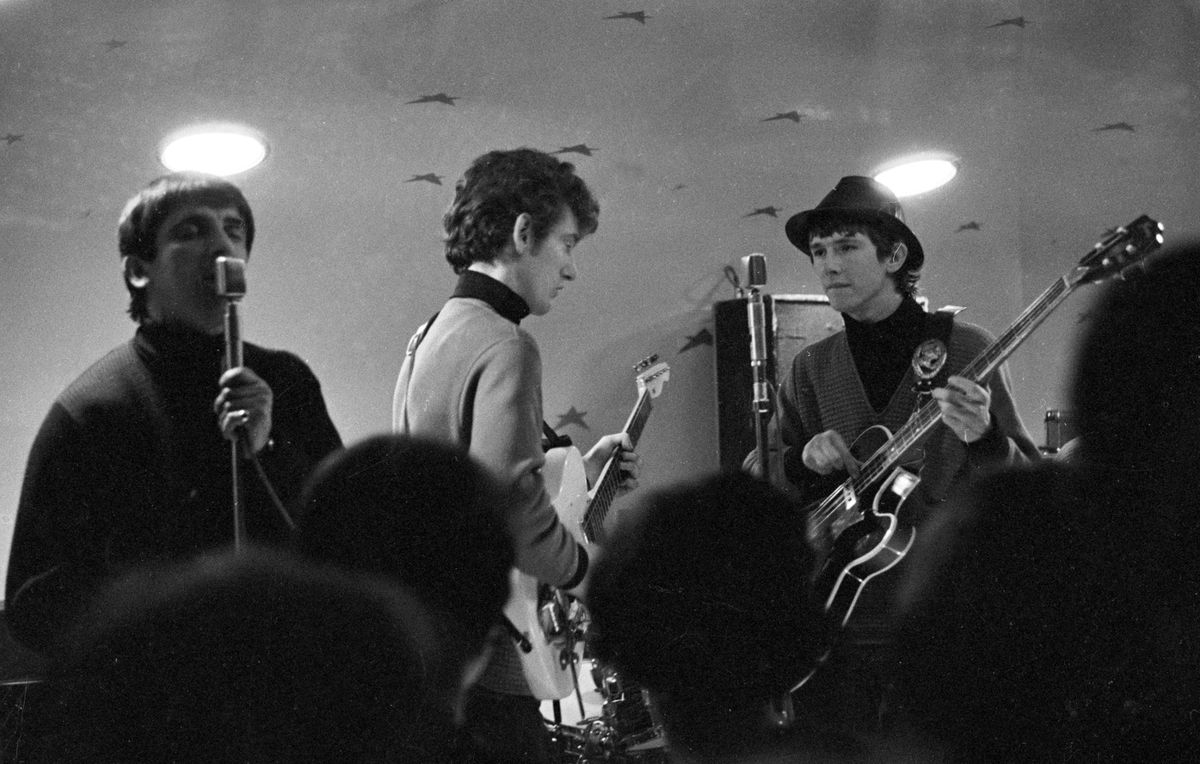
All Nite Beat Boat at the Royal Iris in April 1965.(Image: Mirrorpix)
Around 350 guests took the cruise and it finished at midnight with a rendition of Auld Lang Syne.
The Royal Iris was taken out of service in January 1991 because of her age and rising repair costs and was sold to a consortium who wanted to turn her into a nightclub in Cardiff.
When the nightclub failed, she was sold on again and towed to Woolwich, just east of the Thames Barrier where she was grounded and has remained ever since.
On Tuesday, April 8, 2025 at around 4.20pm this famous piece of Merseyside history went up in flames., leaving half of it consumed b the fire. Since then she has been ‘left to rot’
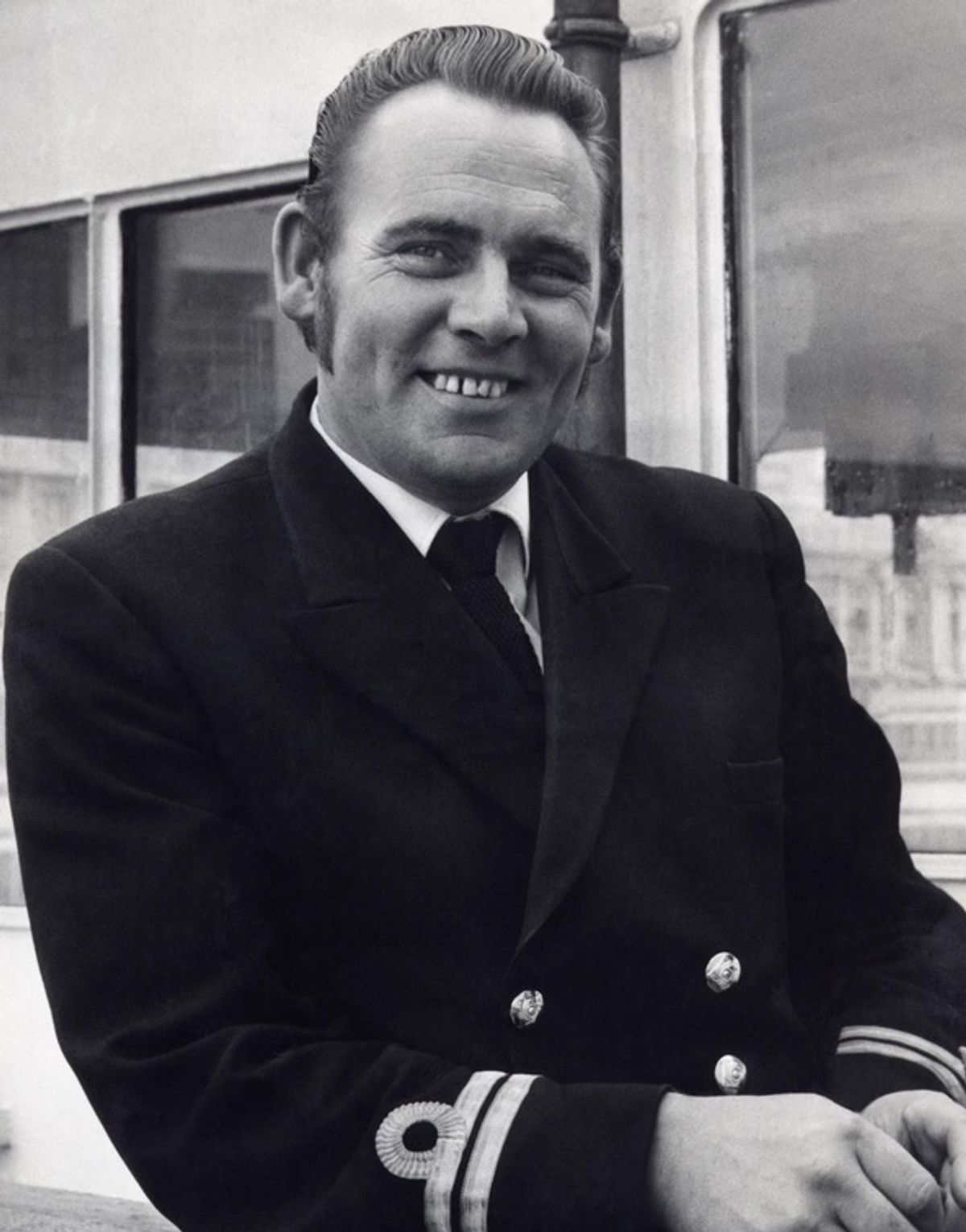
Royal Iris Captain John Albert Green (aka Jonny Green).(Image: Liverpool Echo)
Peter added: “It’s a very sad end to Merseyside maritime history. It’s not like there was a replacement ship of better quality or identical looking. She was immediately recognisable and there’s nothing like that in the country at all. She really was a total crazy scouse ship and she represents that era. She was a part of scouse iconography.”
You can find more from Peter Elson at www.elsonshippinglines.com