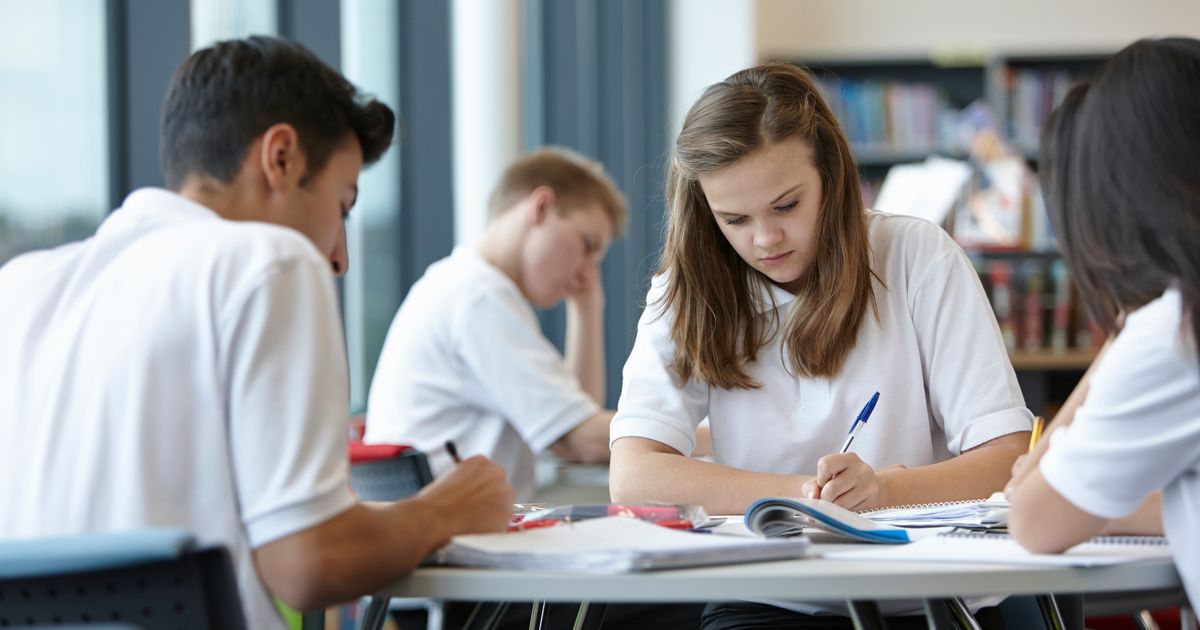
Thousands of pupils in Wales will sit the tests later this year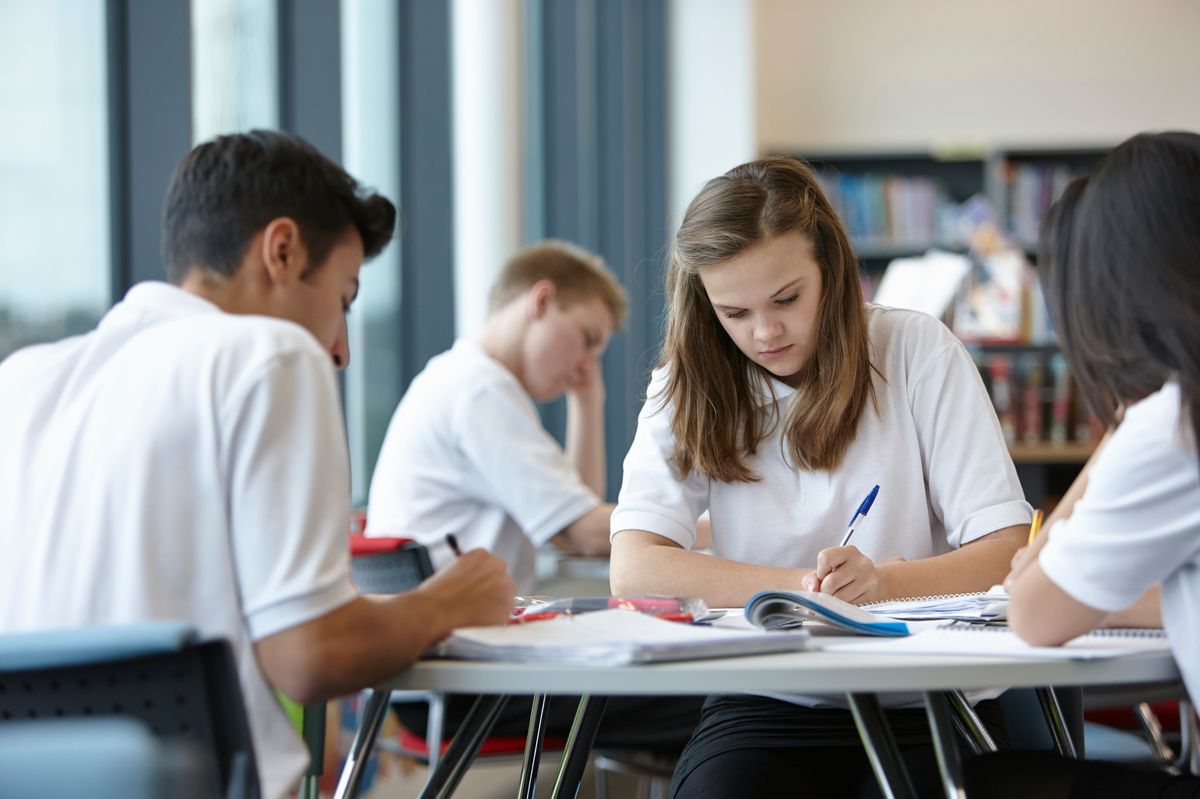
Pisa tests will measure how schools in Wales are performing(Image: Getty Images )
A cynic might think the Welsh Government had deliberately made it hard to see how effective schools in Wales have become.
GCSEs and A-levels are now so different to those in England and Northern Ireland that it is meaningless to compare results. The colour-coding levels assigned to schools have been scrapped. Only one comparable benchmark of achievement remains: the international Pisa tests.
Later this year, the performance of Wales’ education system will comes under the spotlight when latest results of the only remaining like-for-like comparative performance test with other UK nations – and the world – are published.
Previously, Wales’ school system has been ranked worst in the UK five times running in the international Programme for International Student Assessment. Perhaps more worrying, it has been falling even further behind every time the assessment is run.
In the last results three years ago, Wales posted its lowest ever scores, trailing other UK nations in maths, reading, and science. Standards dropped so far it appeared equivalent to losing a whole year of schooling.
Overall, Wales plunged 54 points, lagging behind 32 other countries in maths, 33 in reading, and 34 in science. For our free daily briefing on the biggest issues facing the nation, sign up to the Wales Matters newsletter here.
The tests are carried out every three years by the Organisation for Economic Co-operation (OECD). For this round, more than 3,000 15 year-olds in 114 schools in Wales sat the online Pisa tests in September, 2025.
That was well up on the 89 schools taking part last time. The results will be published in September this year.
Since the last results, which were published in 2023 and based on test results from 2023, there has been a concerted effort from Welsh Government, local education authorities and schools to take the tests more seriously and to improve literacy and numeracy generally.
The politician in charge of education in Wales says the Welsh Government made a conscious effort that “we were going to go for this”. Education Minister Lynne Neagle.says the Pisa tests are “very important” as a measure of how schools here are performing. And she says she’s hopeful of “some improvement” this time.
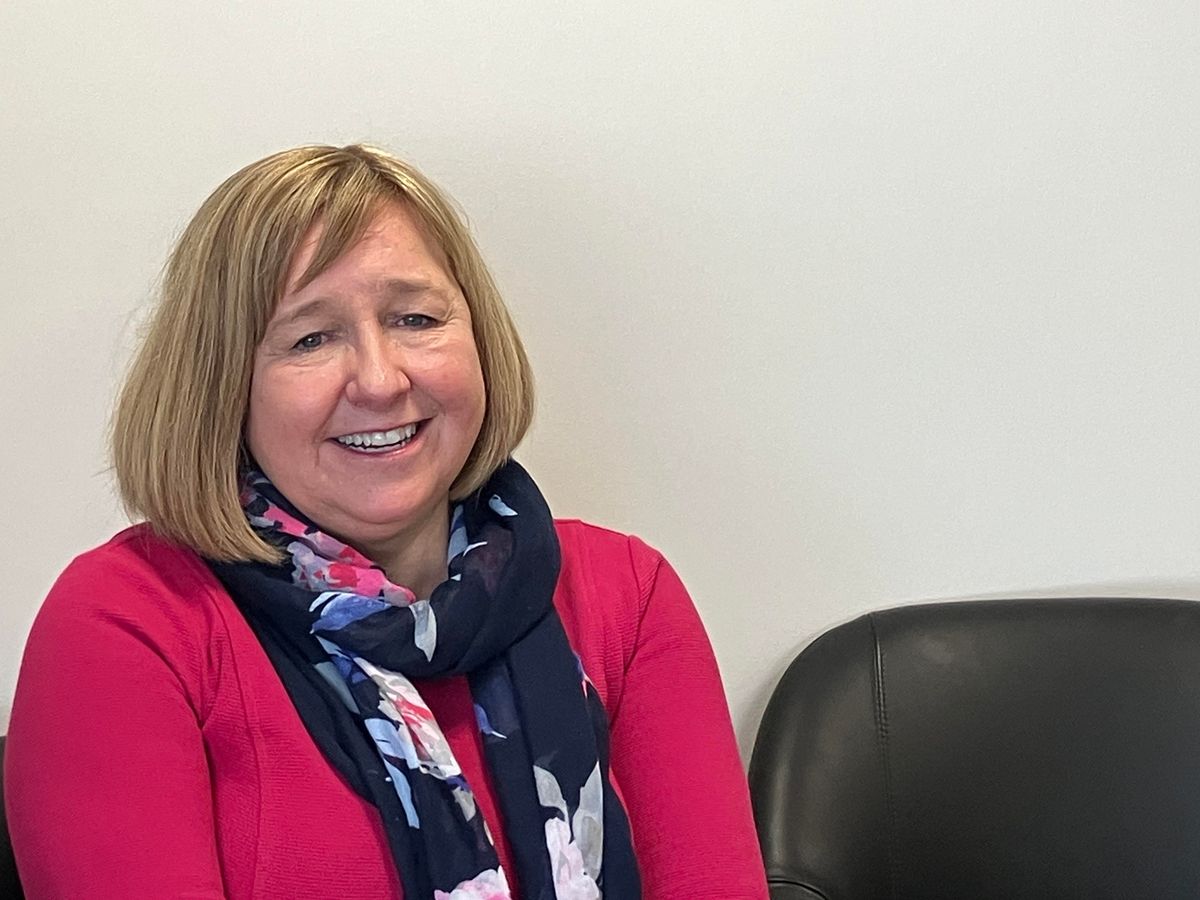
Education Minister Lynne Neagle(Image: WalesOnline)
“We are very enthusiastic about continuing to participate in Pisa and am very hopeful we will have some improvement in our results,” said the minister.
“Before the pandemic we were improving. I have been very clear that the results in Pisa in 2022 were something we were disappointed about. We have not shied away from that.
“We are embracing this Pisa.
“We are very keen to have that international bench marking data. It is a very important tool. But it’s not the only tool. I am very committed to Pisa and we work closely with the OECD.
“Since the results in 2022 the focus on literacy and numeracy has been a key priority.
How Wales performed in the 2023 Pisa resultsThe results for 2023:
Reading
- England 496
- Scotland 493
- Northern Ireland 485
- Wales 466
- OECD average 476
- UK average 494
Maths
- England 492
- Northern Ireland 475
- Scotland on 471
- Wales 466
- OECD average 472
- UK average 489
Science
- England 503
- Northern Ireland 488
- Scotland 483
- Wales 473
- OECD average 485
- UK average 500
How Wales and the UK nations had fallen since Pisa results were published in 2019
Wales
- Maths 466 (2022) compared to 487 (2018) -21
- Reading 466 (2022)compared to 483 (2018) -18
- Science 473 (2022) compared to 488 (2018) -15
England
- Maths 492 (2022) compared to 504 (2018) -12
- Reading 503 (2022) compared to 505 (2018) -2
- Science 507 (2022) compared to 507 (2018) equal
Scotland 2019
- Maths 471 (2022) compared to 489 (2018) -18
- Reading 493 (2022) compared to 504 (2018) -11
- Science 483 (2022) compared to 490 (2018) -7
Northern Ireland
- Maths 475 (2022) compared to 492 (2018) -17
- Reading 485 (2022) compared to 501 (2018) -16
- Science 488 (2022) compared to 491 (2018) -3
UK
- Maths 489 (2022) compared to 504 (2018) – 15
- Reading 494 (2022) compared to 504 (2018) -10
- Science 500 (2022) compared to 505 (2018) -5
“Data is important if it’s used to drive improvement. Pisa is part of the picture on how well schools are doing and a really useful indicator, but can’t be taken in isolation.”
Ms Neagle points to other Wales-only data sets which she says show improved results, especially in literacy and numeracy.
Personalised assessments on reading and numeracy, taken by children aged seven to 14 in years one and two, had shown improvements since the last Pisa results were published, she said.
GCSE results at the top A*-A grades were up for all subjects last year compared to the last pre-pandemic year in 2019 while GCSE maths grades A* to E improved and English language GCSE results at A*-A and A to C were also improved.
The minister said this suggested attainment was growing which added to her confidence for Pisa.
Work to help schools this time meant that 15-year-olds sitting the international tests in September last year were more familiar with the questions and how they looked.
The highest scoring countries in maths and reading in 2023The best nations at maths:
- Singapore 575
- Macao (China) 552
- Chinese Taipei 547
- Hong Kong (China) 540
- Japan 536
- Korea 527
- Quebec (Canada) 514
- Estonia 510
- Switzerland 508
- Alberta (Canada) 504
And the highest-scoring countries for reading:
- Singapore 543
- Alberta (Canada) 525
- Ireland 516
- Japan 516
- Korea 515
- Chinese Taipei 515
- Ontario (Canada) 512
- Estonia 511
- British Columbia (Canada) 511
- Macao (China) 510
- Highest at science
- Singapore 561
- Japan 547
- Macao (China) 543
- Chinese Taipei 537
- Alberta (Canada) 534
- Korea 528
- Estonia 526
- Hong Kong (China) 520
- British Columbia (Canada) 519
“We worked so that children were used to Pisa and knew what they were doing,” said Ms Neagle.
“We made a decision as a government that we were in Pisa and were going to go for this. We think international bench marking is important.
“But it is only part of the picture to enable us to know how we are doing as a country to improve literacy and numeracy.”
Like or loathe them, and opinions are divided, Pisa, taken by 15-year-olds in participating countries, is a clear ranking.
Ironically, when data can’t be compared directly, it means Wales can no longer blow its trumpet when it does well on other measures.
For example, the pass rate for last summer’s GCSEs rose slightly in Wales but fell in England, with exam bosses saying this could not be directly compared because of differences in the two systems and exams now.
This year’s Pisa focuses on literacy, numeracy and one other subject. This year that other subject is science as well as a new test on “learning in the digital world”, which looks at how well students can learn by themselves with a tutorial embedded in the test.
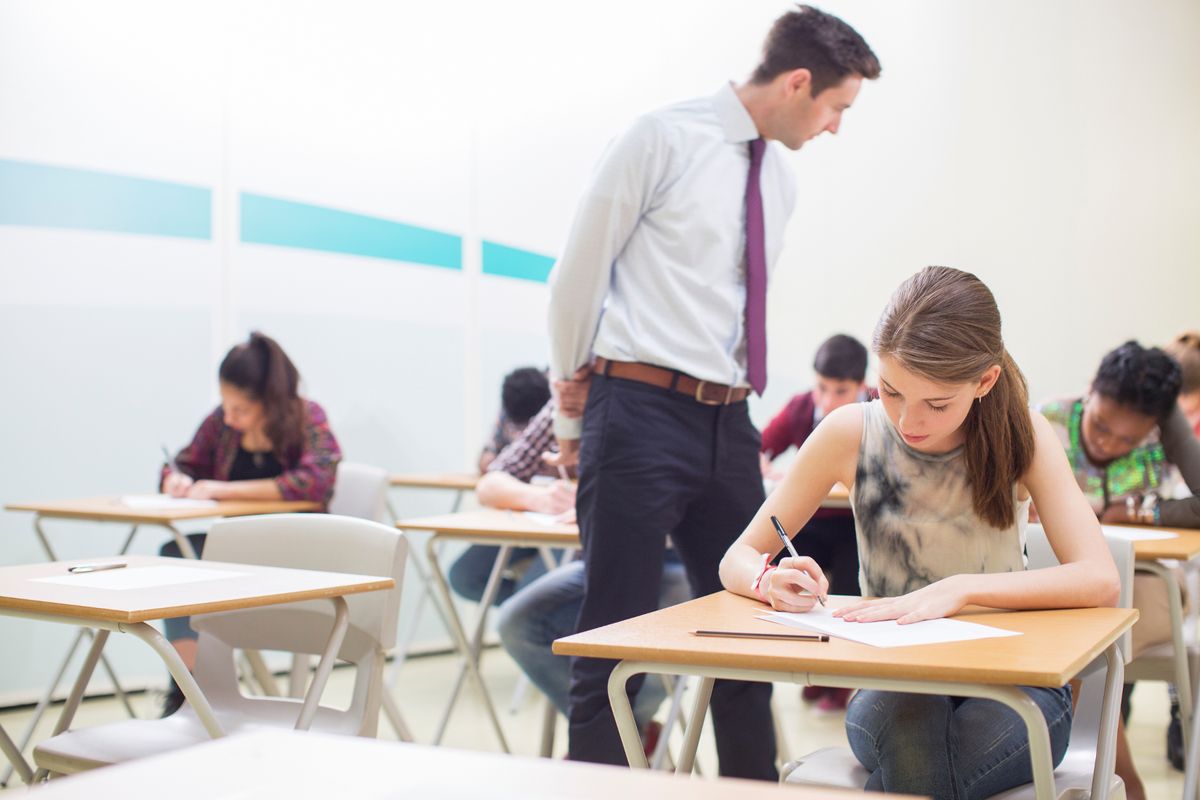
Wales has reformed its curriculum and its GCSE exams making direct comparisons with grades across the border problematic, say exam bosses, teachers and politicians(Image: Getty Images/iStockphoto)
While the Welsh Government has said its education reforms and focus on wellbeing need time to show their worth, some critics have not been convinced.
Some educationalists and those involved in teacher training in Wales remain sceptical about the value of Pisa.
Professor Alma Harris, from Cardiff Metropolitan University, likens the tri-annual score to an education version of Strictly Come Dancing or Eurovision, where winners and losers on a narrow range of measures are the focus.
Professor Harris believes Pisa is “not refined enough to capture peaks and troughs in attainment”, especially in a reforming education system like that in Wales.
“Wales has invested in a new curriculum, changed its qualifications and done a lot in a relatively short period of time. Is the gain in that going to be seen in Pisa? Probably not. Education reform is a slow burn,” Professor Harris said.
“If we had a Pisa for wellbeing or equity those countries high up in Pisa might change dramatically. It comes down to what you value in an education system. You can’t achieve everything.
“But that does not get away from the public interest in Strictly Come Dancing contests with everyone wanting to know who is number one. That’s a public facing problem, they are damned if they do and damned if they don’t do Pisa.
“It’s the same with the Eurovision song contest where we keep getting nul point but keep thinking something will change. But it won’t. It’s a form of madness to say we’ll get better points next time.
“Pisa is a measure, not the measure. It is like flying a plane with only one reference point when you need multiple reference points.
“It is a matter also how seriously we all take it. Singapore takes it very seriously and children are grilled and skilled in it. We are in a race we can’t win. We are not drilling for Pisa on a daily basis. Whereas Singapore children are tested within an inch of their lives and it is miserable.”
Professor Graham French, senior education lecturer at Bangor University, and a former teacher with 20 years experience, now works with teachers in training.
He concedes past Pisa trends “have not looked great”. But he questions the value of what Pisa is looking at and fears it is a “stick to beat teachers with”.
“Pisa should be used as a diagnostic tool with other measures and seen in context,” he believes.
“Equality being at the heart of education is challenging because people want short term fixes and this is not a short term fix.
“To be fair you would have to look at comparative financial resources for schools and per head spending on education.
“I don’t think Pisa comparisons are a useful way to assess how Wales’ education system is doing. You have to look at how they (pupils) arrive and leave.
“There is a real challenge helping people understand value in education. Literacy and numeracy is invaluable but comparing that to others as a measure of success is not helpful.”
For its part, the OECD said it had worked with Wales. It has, in the past, given its backing to Wales’ education reforms and said it was on the right path.
And while the tests are not formulated here, those marking Pisa tests taken in Wales include teachers currently working here, as well as retired teachers from Wales, with training from the OECD.
Pisa is markedly different to other exams pupils sit though. The 700,000 15-year-olds across the world taking the tests in 2025 were all selected at random, a slight increase on the 690,000 who took Pisa in 2022.
The two-hour tests are sat online, apart from in around six countries where they do not have online facilities.
Rather than answering the exact same questions the teenagers in each school had a different set of tests so that a wider range of constructs could be assessed, but the same range of questions was asked in each country or jurisdiction taking part.
Pisa is also an adaptive test, so depending on how well a student does, the next question becomes ever harder. Which is, perhaps, one of the best preparations for life in general. But it’s another reason why it may be problematic when making comparisons.