It comes after recent days have seen the region’s hospitals warn they are ‘unable to deliver comprehensive care and patient safety is at risk’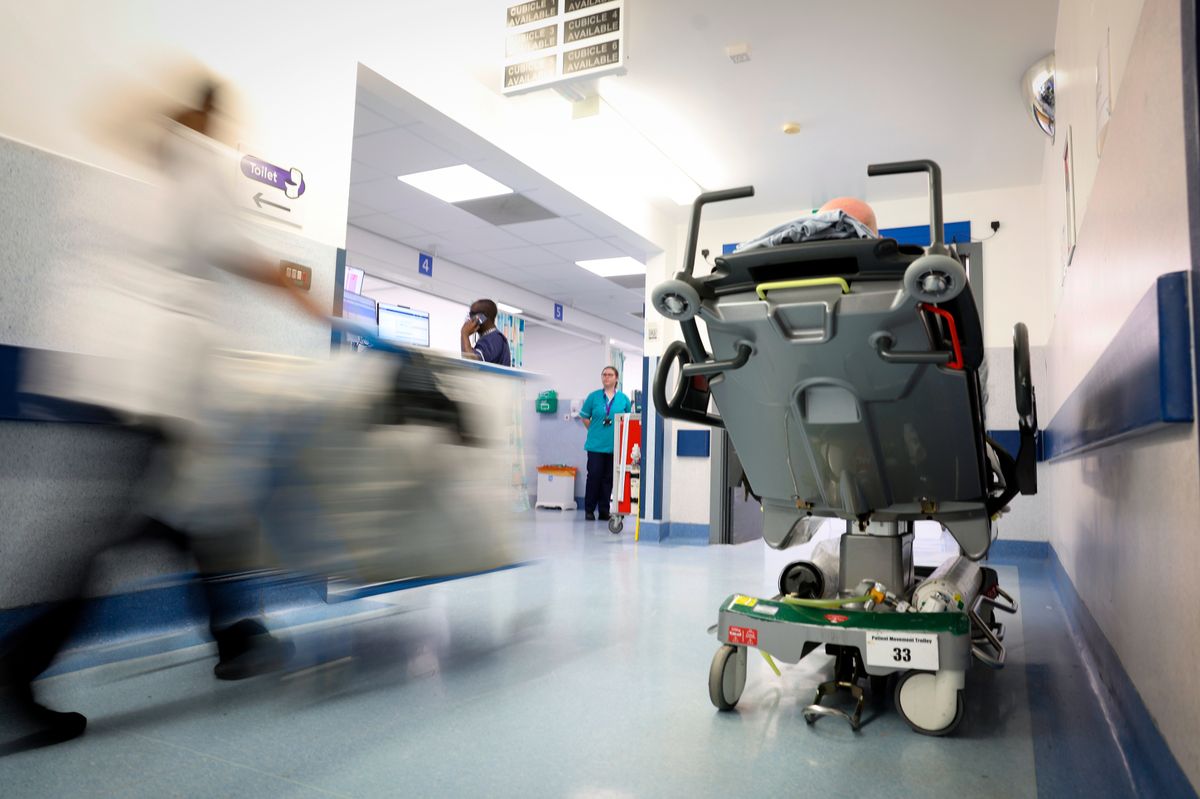
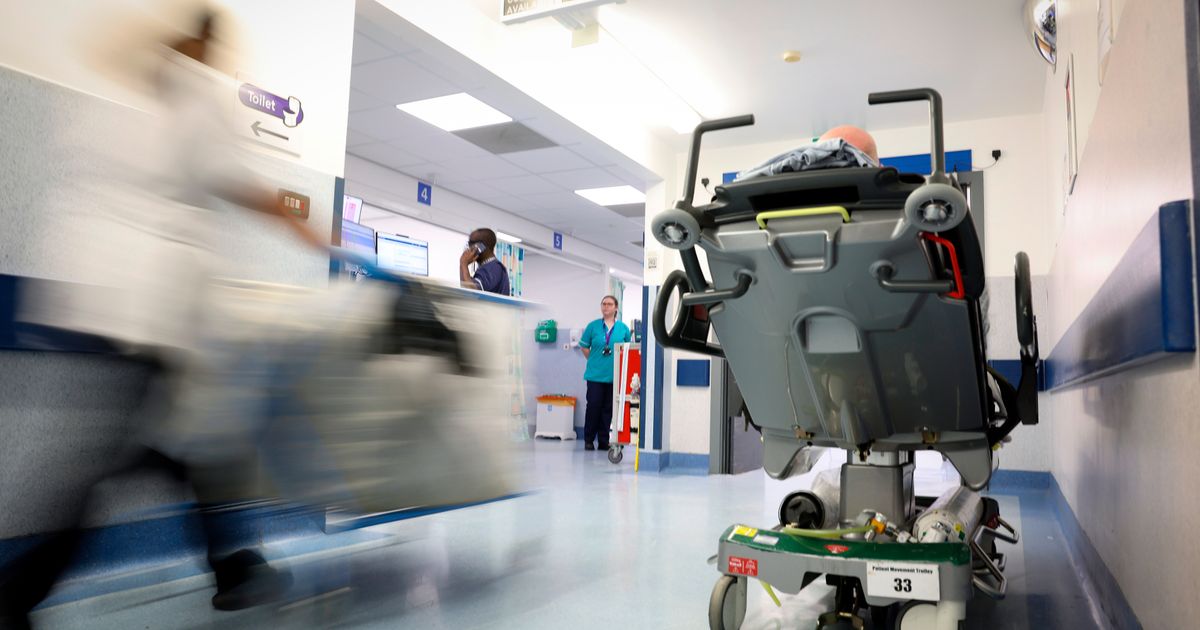
Winter pressures are running high nationally(Image: Joseph Raynor/ Reach PLC)
Greater Manchester’s NHS has issued a statement as another cold snap approaches – after recent days have seen the region’s hospitals warn they are ‘unable to deliver comprehensive care and patient safety is at risk’.
Hospitals across Greater Manchester had 94.6 per cent of beds occupied a day on average during the week ending January 18, according to the latest NHS figures released on Thursday, January 22. That was up from 93.9 per cent a week earlier and is the highest rate so far this winter.
An average of 39,624 beds were occupied each day out of a total of 41,874.
Greater Manchester health leaders confirmed on January 21, that some of the region’s hospitals have moved ‘in and out of OPEL 4 over the course of the last few days’. OPEL 4 refers to the NHS’s operational pressure levels, with level four being declared when a hospital is unable to deliver comprehensive care and patient safety is at risk.
Dr Manisha Kumar, chief medical officer of NHS Greater Manchester, said: “We’re seeing a rise in norovirus locally, which adds to the usual seasonal pressures on our hospitals and community services during winter.
“Our teams are working hard every day to meet demand and ensure patients are cared for safely and in the right place. We’re also doing everything we can to reduce the spread of infection, alongside working with care homes to prevent and manage outbreaks, keeping residents safe.
“Norovirus spreads easily, especially in winter, causing vomiting and diarrhoea. The best way to protect yourself and others is to wash your hands thoroughly, stay home from work or school while unwell, wait until you’ve been 48 hours symptom-free, and drink plenty of fluids to stay hydrated. Most people with norovirus can manage their symptoms at home, but if you’re concerned or symptoms are severe, contact NHS 111 or your GP for advice.”
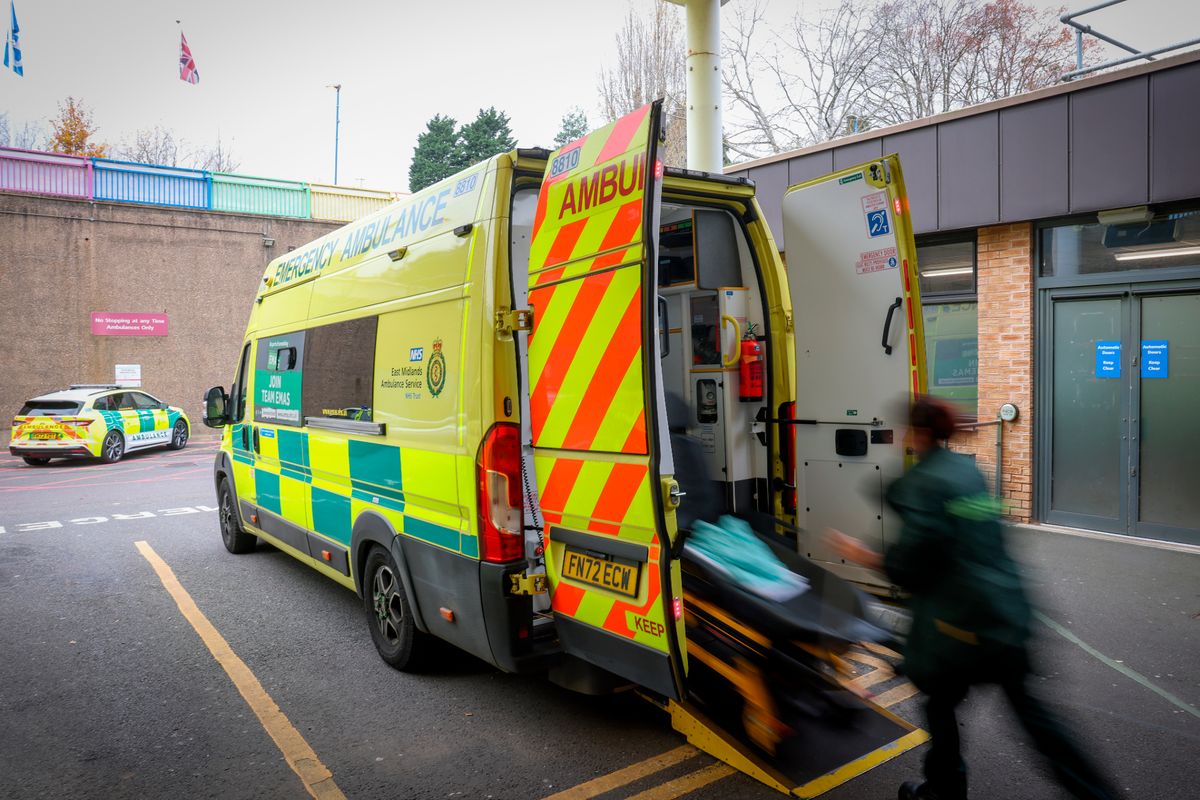
All acute trusts across Greater Manchester have been operating at above 90 per cent of bed capacity(Image: Joseph Raynor/ Reach PLC)
Nationally, figures show more general and acute hospital beds were occupied in the week ending January 18 (94.5 per cent) than at any point during the middle of January since 2020 (95 per cent). There were an average of 823 patients in hospital with norovirus each day last week – the highest number so far this winter – and up 45 per cent on the previous week and more than double what it was a fortnight ago (361).
Dr Kumar told the Manchester Evening News: “With another cold snap approaching, people can take simple steps to look after their own health, such as keeping a well-stocked first-aid drawer, making sure they don’t run out of any regular medicines, staying warm, and staying active where possible. They can also help others by checking in on older or vulnerable neighbours.
“If you feel unwell, seek advice early via NHS 111. Taking these simple steps not only protects your own health but also helps reduce avoidable pressure on our NHS during this busy winter period.”
All acute trusts across Greater Manchester have been operating at above 90 per cent of bed capacity. Of the hospital groups that have general A&Es, Stockport NHS Foundation Trust which runs Stepping Hill Hospital had the highest occupancy rate in the region.
It had an average of 97.6 per cent beds a day being taken up in the week ending January 18. That was followed by the Northern Care Alliance NHS Foundation Trust at 95.5 per cent, including Salford Royal Hospital, the Royal Oldham, Rochdale Infirmary, and Fairfield General.
Bolton NHS Foundation Trust had the lowest occupancy rate with 92 per cent of beds taken up each day on average.
Senior sources have told the Manchester Evening News that the pressure is coming from a combination of factors. That includes the spike in demand seen by the NHS every winter, as people are more likely to get ill or suffer falls.
In December, Greater Manchester was hit hard by a wave of flu, while national bosses warn of a rise in norovirus cases this month. All of this contributes to more people coming to A&E, where they can wait days as emergency department staff try to cope with the uptick in volume – or for beds becoming increasingly scarce as more people are admitted than discharged.
Staff, too, aren’t exempt from winter bugs, meaning there’s often fewer workers to deal with patients coming into hospital, again resulting in longer waits in A&Es.
Delayed discharges remain a national problem. That’s where patients who are medically ready to leave hospital can’t be discharged because the right care, support, or placement isn’t available immediately in the community.
The M.E.N. reported in 2021 how Sir Richard Leese, the chair of NHS Greater Manchester, said anything beyond 85pc of beds occupied is ‘very uncomfortable for hospitals’. But the region’s hospitals have been routinely more than 90 per cent full in recent winters, teetering on the edge of crisis, with hundreds of beds occupied by people medically ready to go home.
Escalating OPEL levels it can allow for the pausing of less urgent work so resources can be directed to the most urgent patient care as it’s needed.
The integrated care board, also referred to as NHS Greater Manchester, said that some hospital trusts have reached that highest level of alert, but the whole of Greater Manchester has not been at that level at any point. It has not been confirmed which hospitals have been on the highest level of pressure.