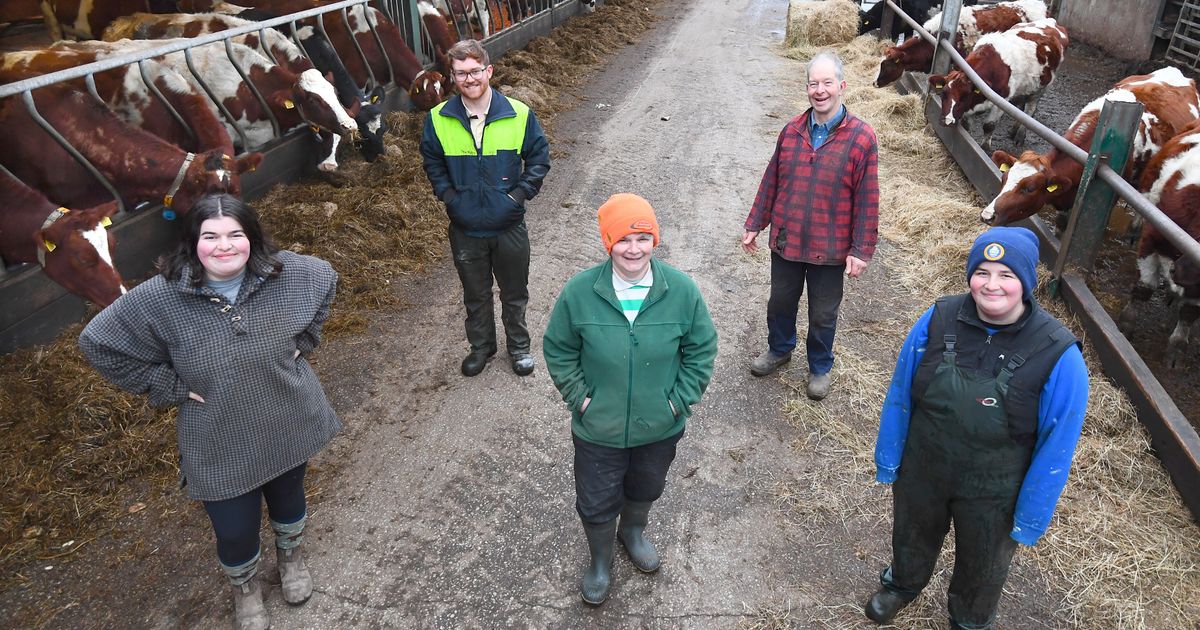
The farm has been going for six generations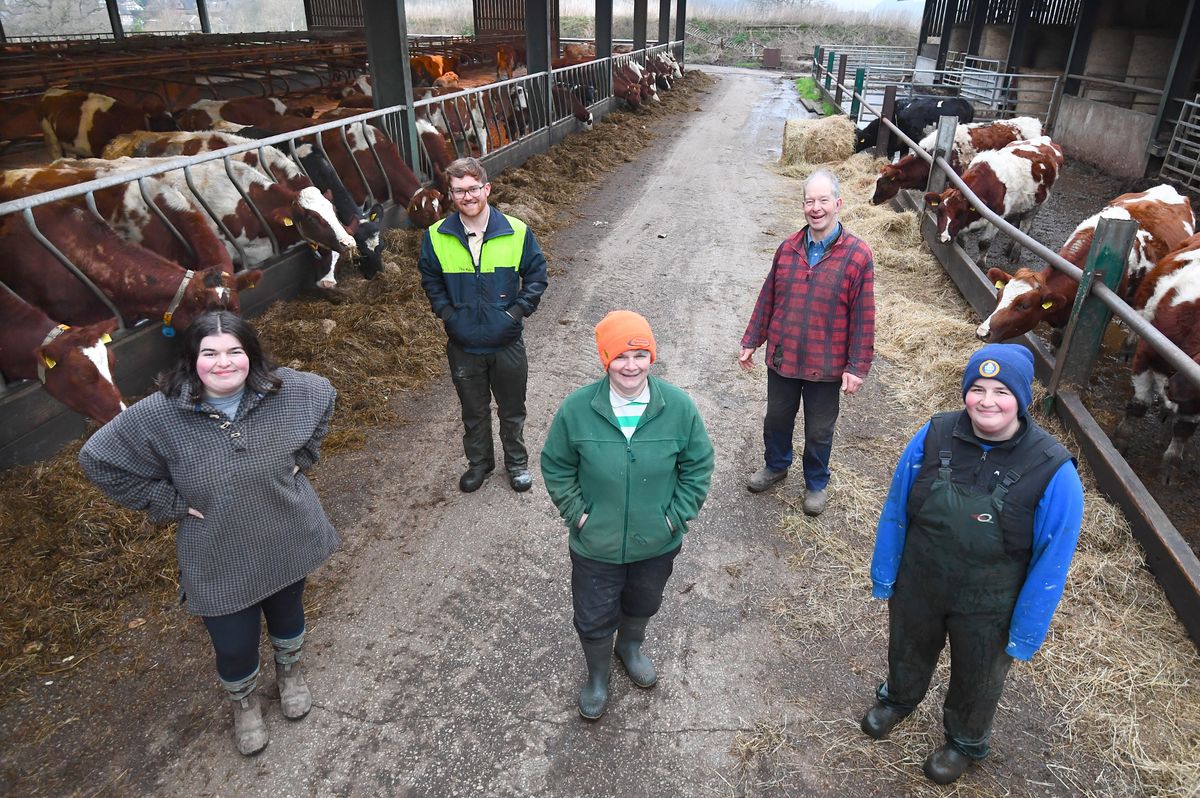
The farm has been in the family for six generations(Image: Andrew Teebay Liverpool Echo)
A Cheshire-based business that has been producing dairy products for centuries took a step into the unknown when they changed their business model in 2016, and today their milk is drank all around Liverpool.
Now in their sixth generation, the Capewell family first began producing dairy products on the farm in the 1850s, since then the family have supplied milk to locals and Jacqueline Capewell said that previous generations even produced their own cheese at their Manor Farm, location in Peckforton, Cheshire.
While seasonal changes can play a part, throughout January, Jacqueline’s daughter AJ said that a typical day begins at around 6am when the cows are taken from the sheds to be milked before it is then stored in tanks ready for the next step of the process to begin. From there, the pasteurisation process takes place and upon completion it is then bottled up and loaded into their vans ready to be delivered to the over 20 businesses that they supply to across Liverpool.
However, like many family-run dairy farms up and down the country, they have faced a number of challenges to keep the business afloat down the years. One of their biggest came in 2016 when the milk price crash threatened the livelihoods of thousands of dairy farmers around the country. Due to a number of factors out of their control, farms were put under huge financial pressure in order to survive.
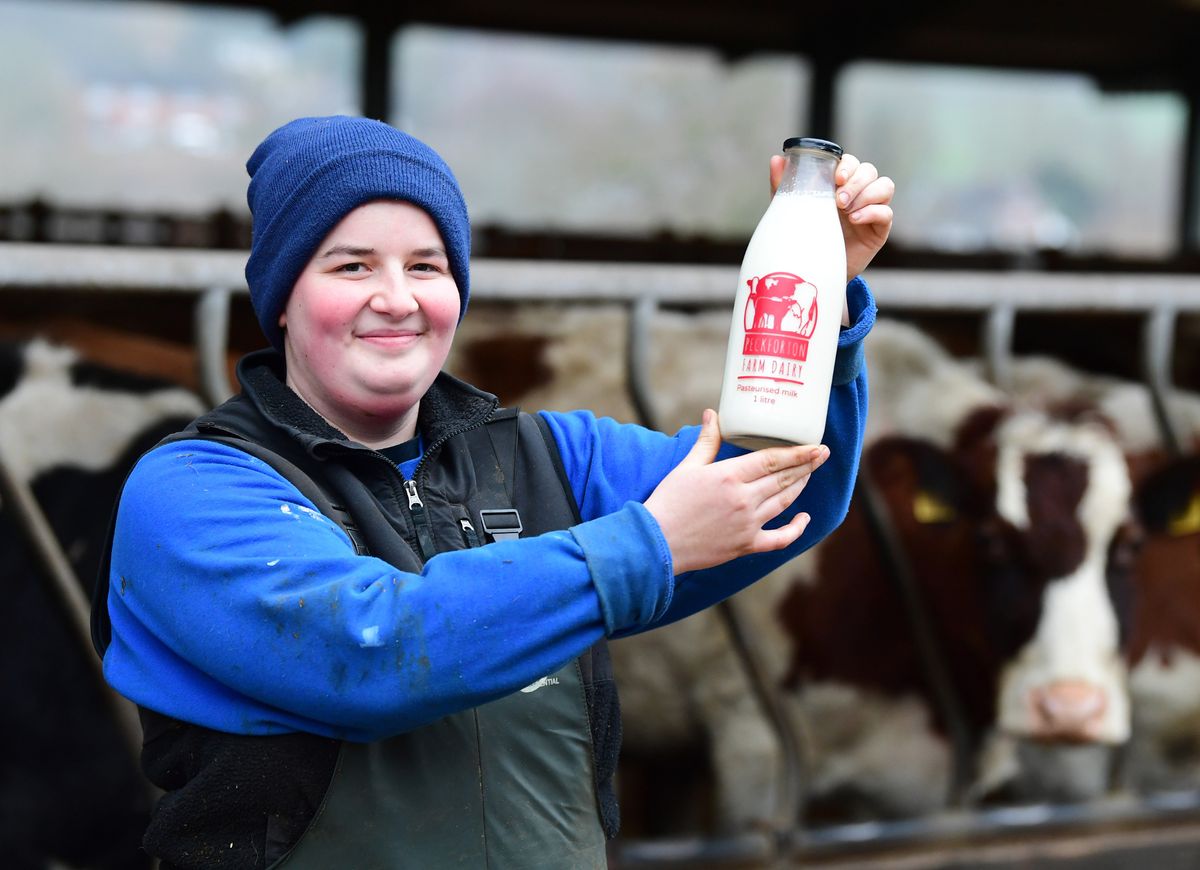
Peckforton Dairy Farm supply milk all over Liverpool(Image: Andrew Teebay Liverpool Echo)
Amid the uncertainty brought about by the crash, the latest custodians of the farm, Jacqueline and her partner James Capewell, decided to change from a wholesale model to a retail one, which enabled them to supply their milk directly to coffee shops and restaurants. It meant that instead of supplying milk to firms all over the country, they now just offered their milk to a select number of businesses as well as individual buyers in the area.
Jacqueline told the ECHO: “It was following a milk price crash in 2016 that we started trying to retail our own milk, because from the wholesalers we were getting peanuts, so it wasn’t covering the cost of production, so we decided to make a start at trying to sell it ourselves, so that we could get a stable price that was sustainable for us.”
However, despite the step into the unknown, Jacqueline said that it offered them more stability going forward. She said: “Because we had retailed into the wholesale market for many many years, we had virtually no experience of retailing milk and it was a steep learning curve, but I felt that it’s something that we had to do, because in the wholesale market, every so many years comes one of these milk price crashes and they are really difficult to cope with. I think we felt that we needed more stability.”
While the milk price crash had caused them to reconsider their model, Jacqueline explained why she thinks their new model of working directly with local coffee shops and restaurants worked so well. She said: “We started retailing milk in 2016 in a relatively small way, and then we heard about people selling milk specifically to coffee shops, but in order to produce the best quality [milk] we have MRI cows [Meuse-Rhine-Issel], which give higher quality milk and when we were originally listening to people who were supplying barista milk, the best thing for barista purposes was a better quality milk, which is what our cows are producing.”
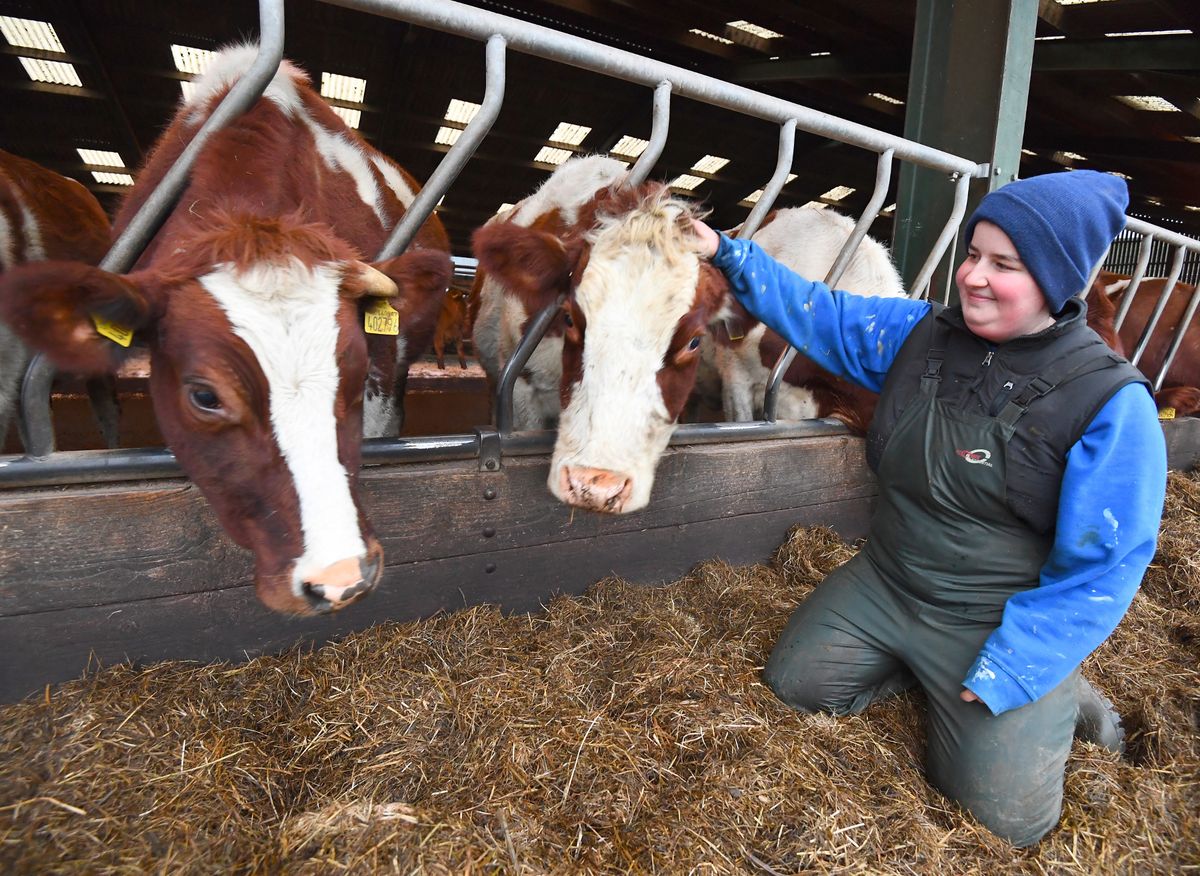
Their milk is known for its taste(Image: Andrew Teebay Liverpool Echo)
In recent years they have also introduced the cow-calf dairy farming method which provides high fat and protein based milk. AJ said: “We keep the cows with the calves, so rather than the calves being split at birth from their mums, we let the cows rear their own calves for five to six months. We get less milk, but it’s nicer for the cows, and the calves grow really, really well because they’re getting their mum’s milk.”
She added: “We started in Chester and for a couple of years all we did was Chester, and then after covid we started contacting a few coffee shops in Liverpool and we just started with a couple at the start, but it’s just gradually expanded.”
Their expansion into Liverpool initially saw them supply to Ropes & Twines and Mother Espresso in the city centre, but nearly 11 years later they now provide to more than 20 businesses in the city.
Eager to maintain that relationship, Jacqueline and her team give their growing customer base the chance to see exactly how their milk is produced. She said: “Usually about four or five times a year, we’ll send out invitations and they [the businesses that they supply to] come in and we show them around the farm and they meet the cows and see how we work. I think they really appreciate the fact that we have the direct connection to the location where the milk comes from.”
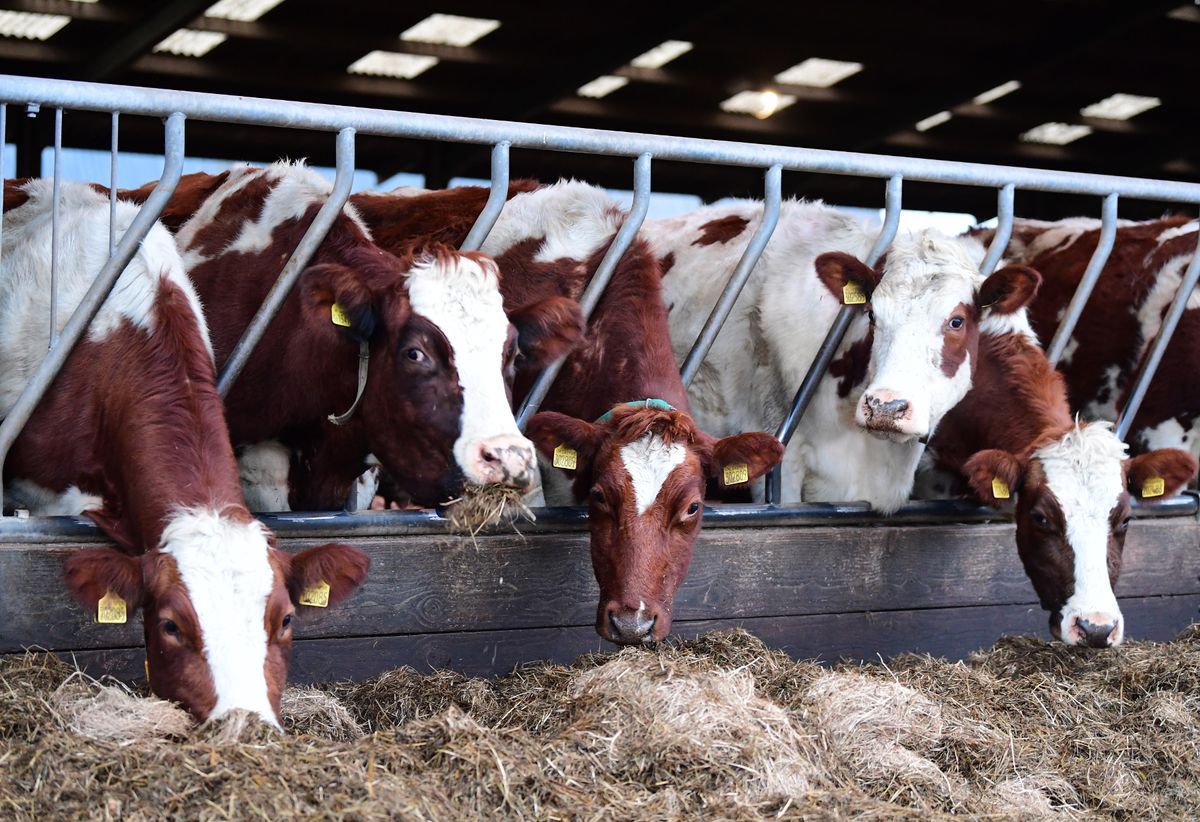
There are over one hundred cows on the farm(Image: Andrew Teebay Liverpool Echo)
As she becomes the latest generation to oversee the running of the farm, AJ said that it gives her immense pride in being able to carry on the family business for years to come.
She said: “It’s very rewarding working with animals and also really rewarding knowing that this is what has been done for generations, everything that I have ever had in life has come from these cows. I’ve grown up on the farm, everything I have ever had has come from from these cows and what they do.”
She added: “We work with the cows and we try to give the cows the best life that they can, everything we have got here comes from the cows, because obviously they are as much a part of the farm as we are. We are in this together with the cows, they’re very rewarding animals to work with.”