
Brits planning holidays abroad are being reminded to check their passport expiry dates as different countries have varying validity requirements
Fiona Callingham Lifestyle writer
14:35, 28 Jan 2026Updated 14:37, 28 Jan 2026

Failing to check this detail before your trip could put an end to your travel plans(Image: Getty)
Holidaymakers heading overseas are being urged to verify a passport detail or face the possibility of being turned away at airport check-in. Failing to complete this check could completely disrupt your travel arrangements.
Numerous considerations must be addressed when organising a trip. Between selecting appropriate clothing and essentials to securing travel cover and necessary documentation, the preparation process can feel quite daunting.
This stems from the reality that various countries maintain different requirements concerning passport expiry dates. The Post Office states on its website: “Some countries might ask that your passport’s valid for your whole time away and even a bit longer, sometimes up to six months.
“If you don’t check these rules, you could run into problems, like not being able to board your flight or being denied entry when you land.”
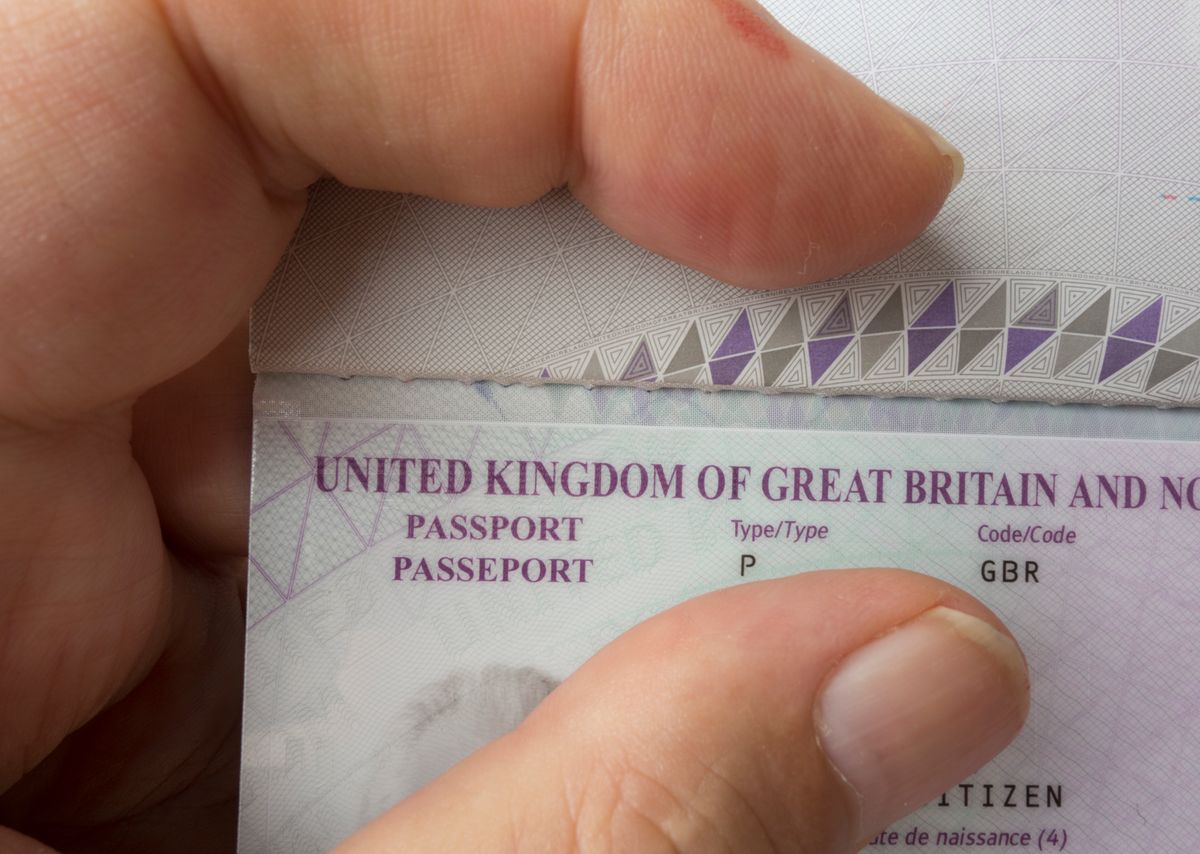
To locate your passport expiry date, you’ll need to refer to the document’s data page(Image: Getty)
As a precautionary measure, travellers should confirm their passport remains valid for a minimum of six months beyond their departure date – since numerous countries insist upon this timeframe. Your passport’s expiration date can be found on the data page, which additionally displays your image, birth date, and document reference number.
Passport validity
Prior to departure, confirm the specific regulations for your chosen destination. Below are illustrations of varying country policies:
- For those planning a trip to the United States, it’s essential your passport stays valid throughout your entire visit, though experts recommend six months’ additional validity to prevent any unforeseen issues
- Those heading to Australia should ensure their passport remains valid for a minimum of six months from their arrival date
- Travellers to New Zealand need passports valid for no less than three months past their intended departure date
Europe
Across most European nations, three months of passport validity is required. Though British citizens visiting EU and Schengen zone countries face additional stipulations, notably that passports must not exceed 10 years old. The rules in the UK changed at the time of Brexit.
The Post Office clarifies: “Passports issued after 2018 are valid for exactly 10 years. But if your passport was issued before September 2018, it might be valid for up to 10 years and nine months.
“This is because, before 2018, the passport office would add up to nine extra months from your old passport to your new one. This means some people have passports that haven’t officially expired and are still valid for travel worldwide.

Some countries might ask that your passport’s valid for your whole time away and even a bit longer(Image: Getty)
“The exception is travel in Europe, where passports must be less than 10 years old.”
For European and Schengen travel, your passport needs to satisfy these criteria:
- Issued no more than a decade prior to your date of departure.
- Remaining valid for a minimum of three months beyond your intended return date.
Comprehensive guidance for journeys to EU and Schengen nations is available via the GOV.UK website.
If your passport is nearing expiration
You should request a new passport through GOV.UK if yours has expired or is not valid for your travel requirements. The fee stands at £94.50 for online renewal or replacement applications, rising to £107 for postal paper submissions.
Typically, a fresh passport arrives within a fortnight, though expedited services are obtainable at additional expense. Should your passport be deemed damaged, replacement becomes necessary. HM Passport Office classifies a passport as damaged under these circumstances:
- Personal details have become illegible
- Pages show tears, cuts or are absent
- The cover exhibits punctures, slashes or tears
- The cover is detaching
- Pages display marks (such as ink or moisture damage)
Further details can be found at GOV.UK.