
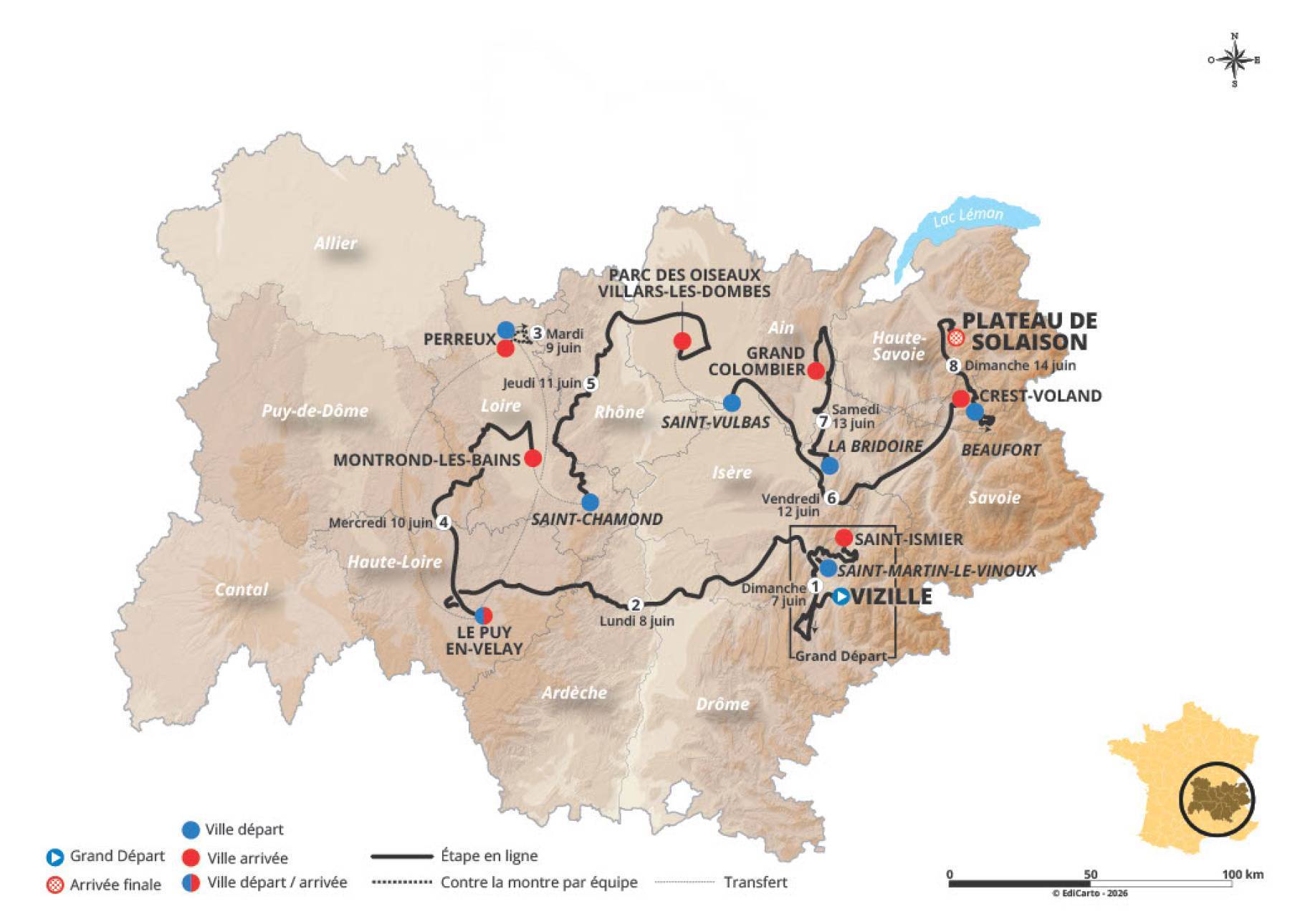
The route of the Tour Auvergne-Rhône-Alpes has been unveiled and it’s actually a much better Dauphiné route than we’ve had in recent years with a real start in the heart of the ancient Dauphiné province. So the name change will need a while to sink in.
Here’s a stage-by-stage look followed by some notes on the wildcard invites, TV schedules and possible contenders.
Stage 1 – Sunday 7 June
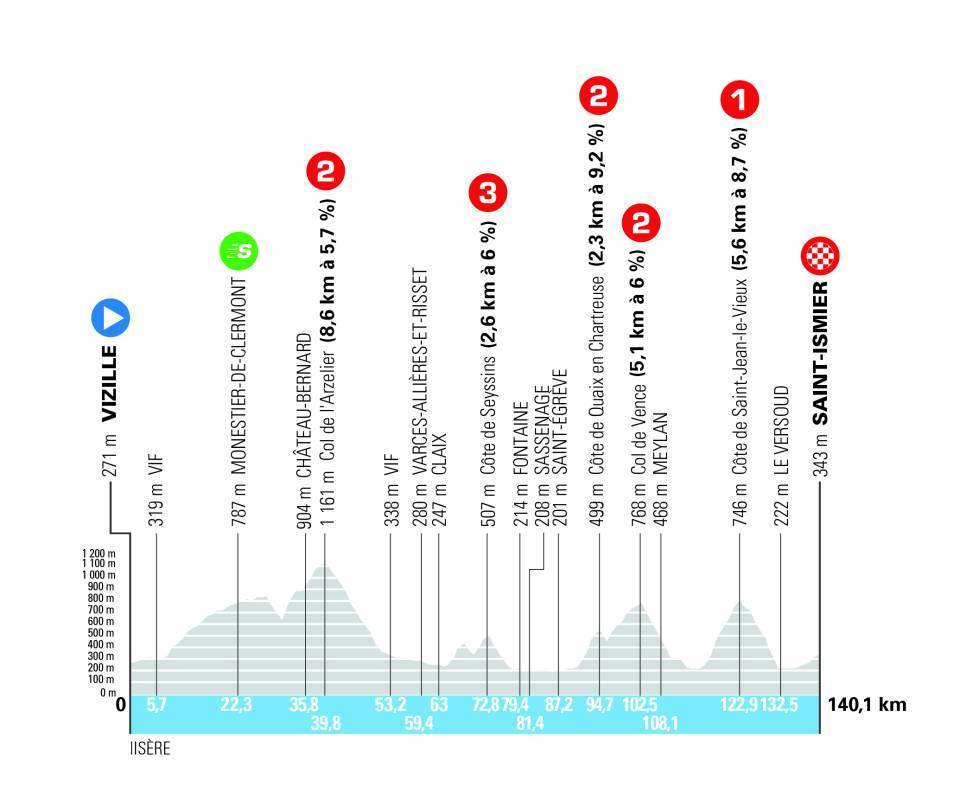
A start in Vizille and the race tours the outskirts of the city of Grenoble taking in climbs on the Vercors, the Chartreuse and the Belledone mountains. The penultimate climb of the Col de Vence has featured in the Dauphiné and Tour de France before, the “Côte de Quaix en Chartreuse” is better known as most of the Col de Palaquit to locals. The final climb is new to the race and steep at 8.7% and followed by a matching descent.
Stage 2 – Monday 8 June
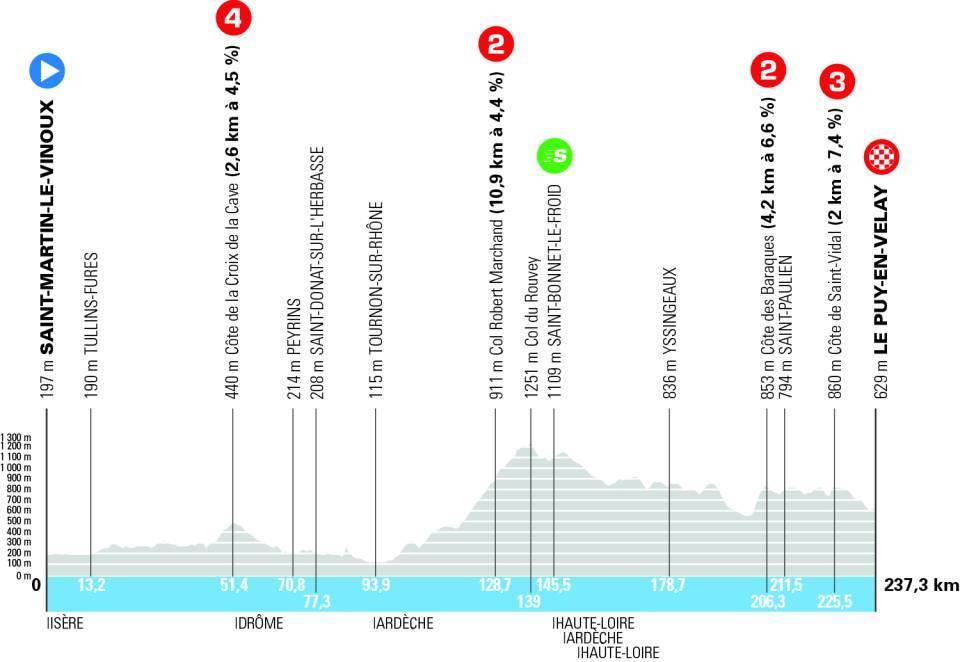
A stage that starts in the Rhone valley and then climbs into the Ardèche, rugged terrain, via the Col Robert Marchand, named after the cyclist who, at the age of 102 set an hour record of 24.251km and did a lot more too, especially to promote cycling in this area. More climbs and lumpy roads await before a finish in Le Puy. With this race here and Paris-Nice dipping a toe in the Ardèche and the women’s Tour having a full stage it’s setting things up for the men’s Tour to visit soon too.
Stage 3 – Tuesday 9 June
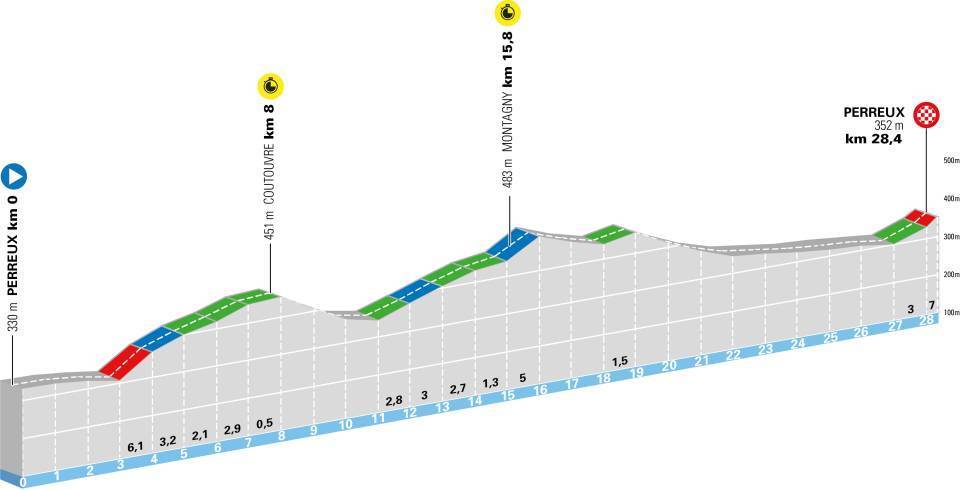
A team time trial run under “Paris-Nice” rules on roads just to the east of Roanne. A team’s winning time is taken on the first rider across the line and every rider is credited with the time they took to complete the course. It’s a dress rehearsal for the Tour de France’s opening stage in Barcelona with a rolling course where teams will have to manage their riders over the first half of the course to better keep their rouleurs for the final 10km back to Perreux. It’s all on relatively small back roads too.
Stage 4 – Wednesday 10 June
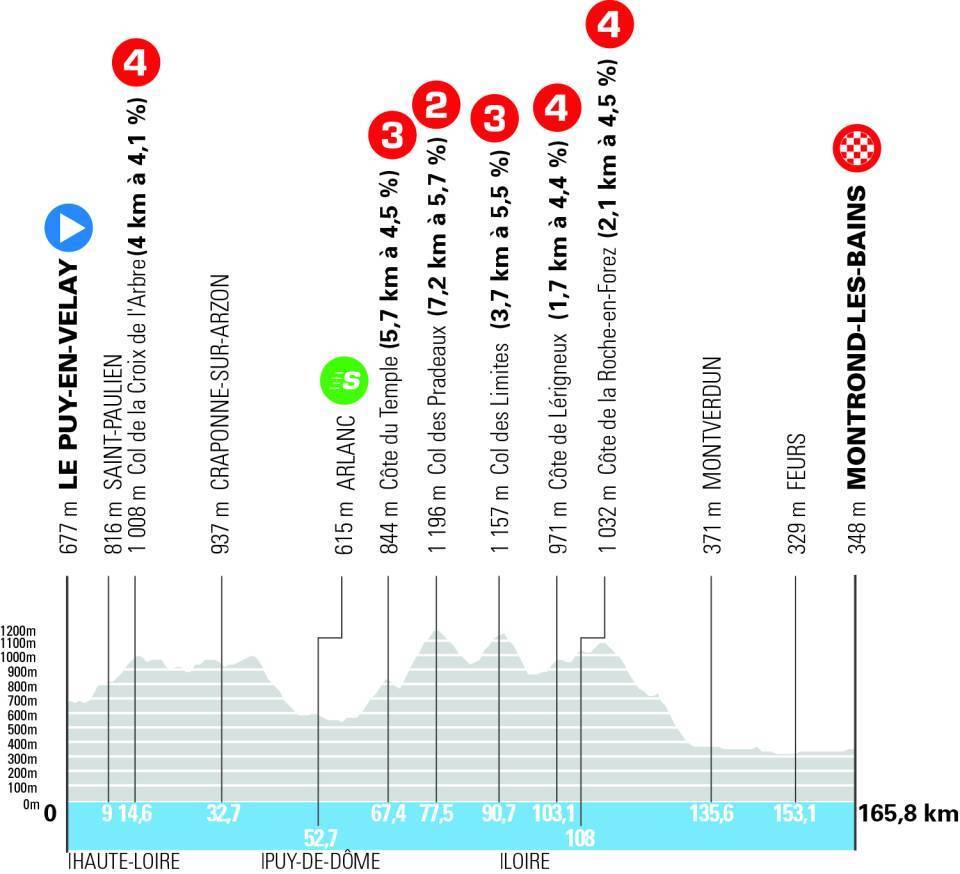
A stage for the sprinters? Possibly in the modern era for riders who can get over a succession of mountain passes and then deploy their teams to ride down any breakaways in the last 50km but otherwise a good day for the breakaway.
Stage 5 – Thursday 11 June
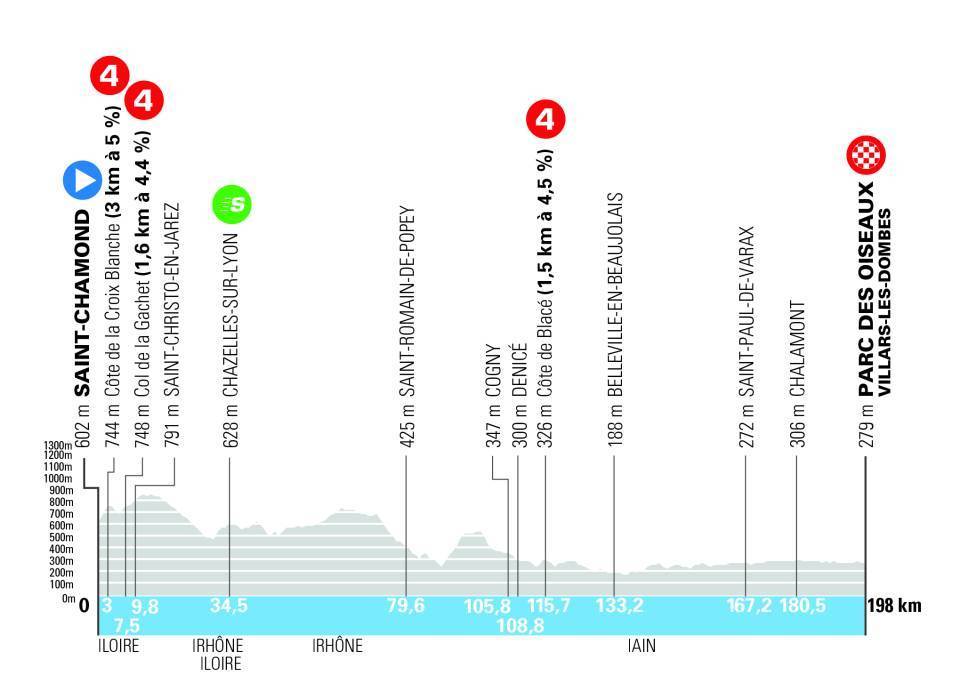
True story: hulk sprinter Alexander Kristoff started the Dauphiné a few years ago and didn’t realise there wasn’t a single sprint stage to suit until he’d got to his hotel on the eve of the race and began flicking through the race roadbook. This time all the sprinters find one stage to suit, assuming enough of them have opted to take part. The start is tricky before the route flattens out and finishes in the wetland area of Les Dombes.
Stage 6 – Friday 12 June
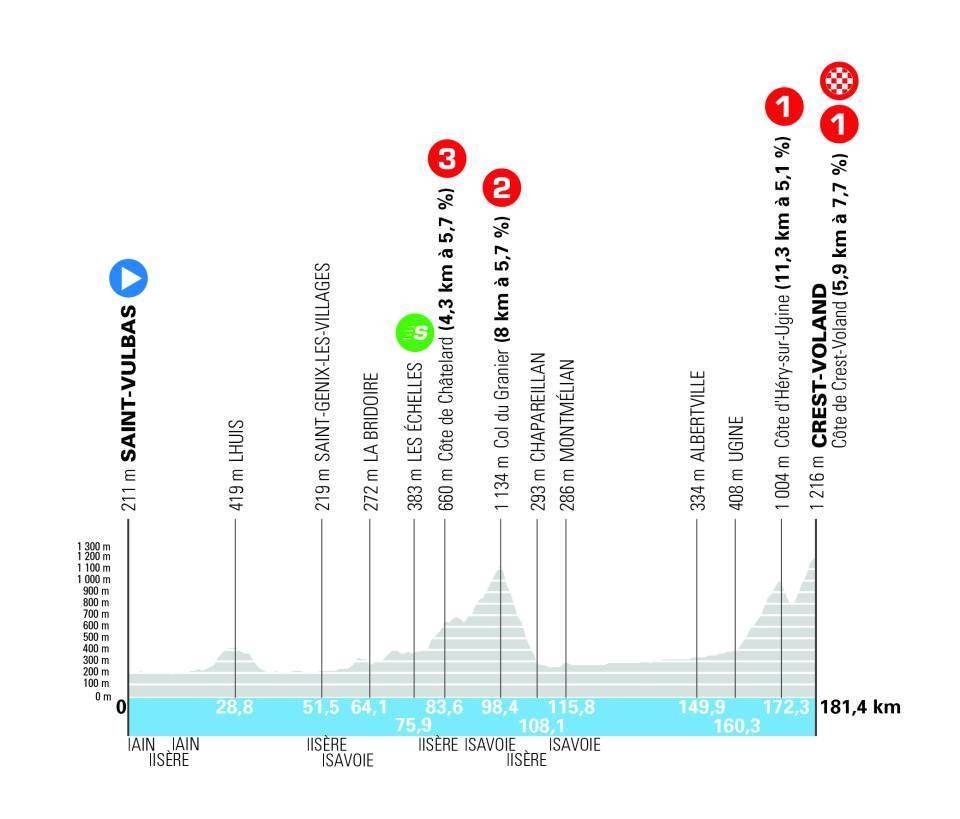
Some déjà vu as the race goes back to the Col du Granier via Les Echelles, the geo-located scene of Bernard Hinault’s urination featured in this race two years ago, and in the women’s Tour last summer. Then it’s a dash up the valley to Albertville and to new roads. The Tour was supposed to go to Ugine, Héry and Crest-Voland last summer on Stage 19 but a bovine disease outbreak and farmer’s protest saw the route diverted. As the Tour’s preview should have said then the climb to Héry is much steeper and more irregular than the profile says. After a brief descent the climb to Crest-Voland is half of the Col des Saisies and more déjà vu as it’s the same climb where Georg Zimmerman won a stage of the Dauphiné in 2023.
Stage 7 – Saturday 13 June
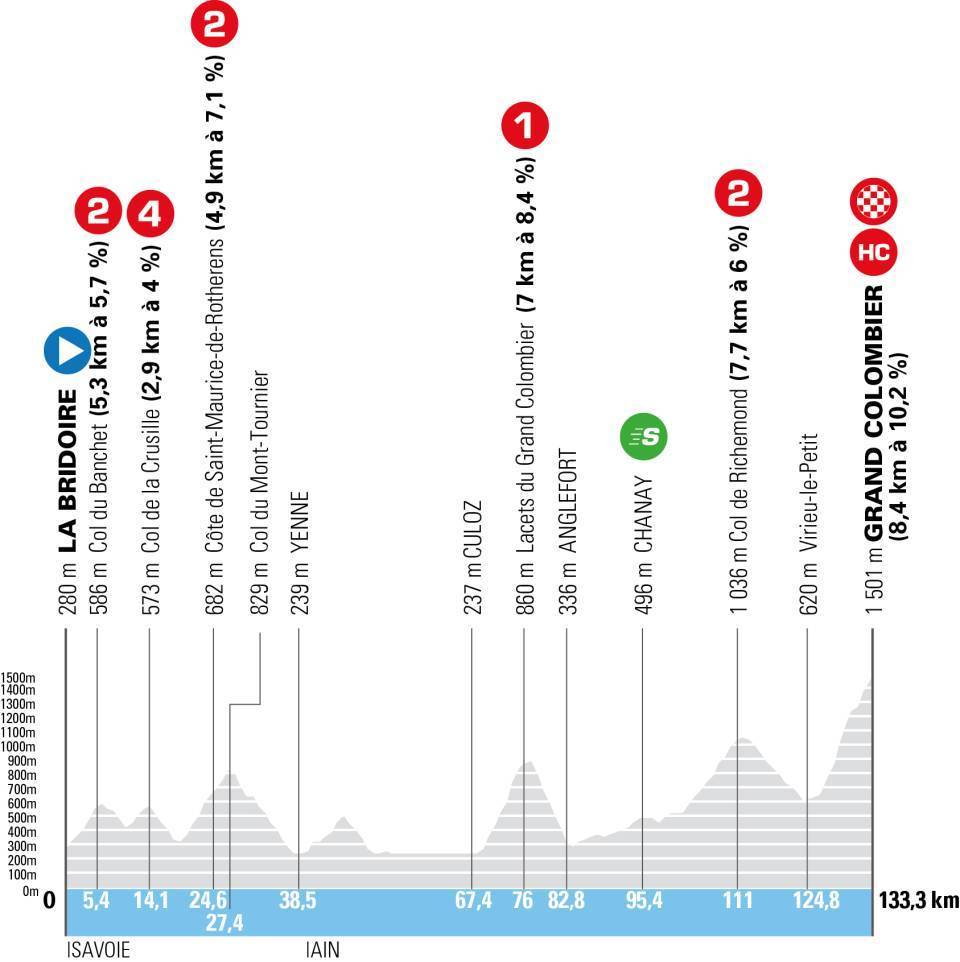
A tough stage with plenty packed into 133km. The opening roads feature some small passes on the old roads of Mandrin, who was either a brigand and smuggler in the 18th century, or France’s version of Robin Hood defying oppression according the accounts you pick. Or both. Then it’s around the Grand Colombier and its sister climb the Col de Richemond, both part of the Jura mountains and more importantly both very hard. Especially the Grand Colombier from Virieu. 8.4km at 10.2% is hard enough but there’s a twist. There are two routes up this side but matching the video from the route presentation with the roads and yes this is the sadistic version with a long section at 15% and it apparently peaks 22%. The max gradient is hard to find and if exists is brief the point is few can tell amid the shaded woodland when the road is already reaching 18%, all this comes in the first half of the climb, the second part is just hard going. This is one of the most savage climbs in France and rhymes with Zoncolan.
Stage 8 – Sunday 14 June
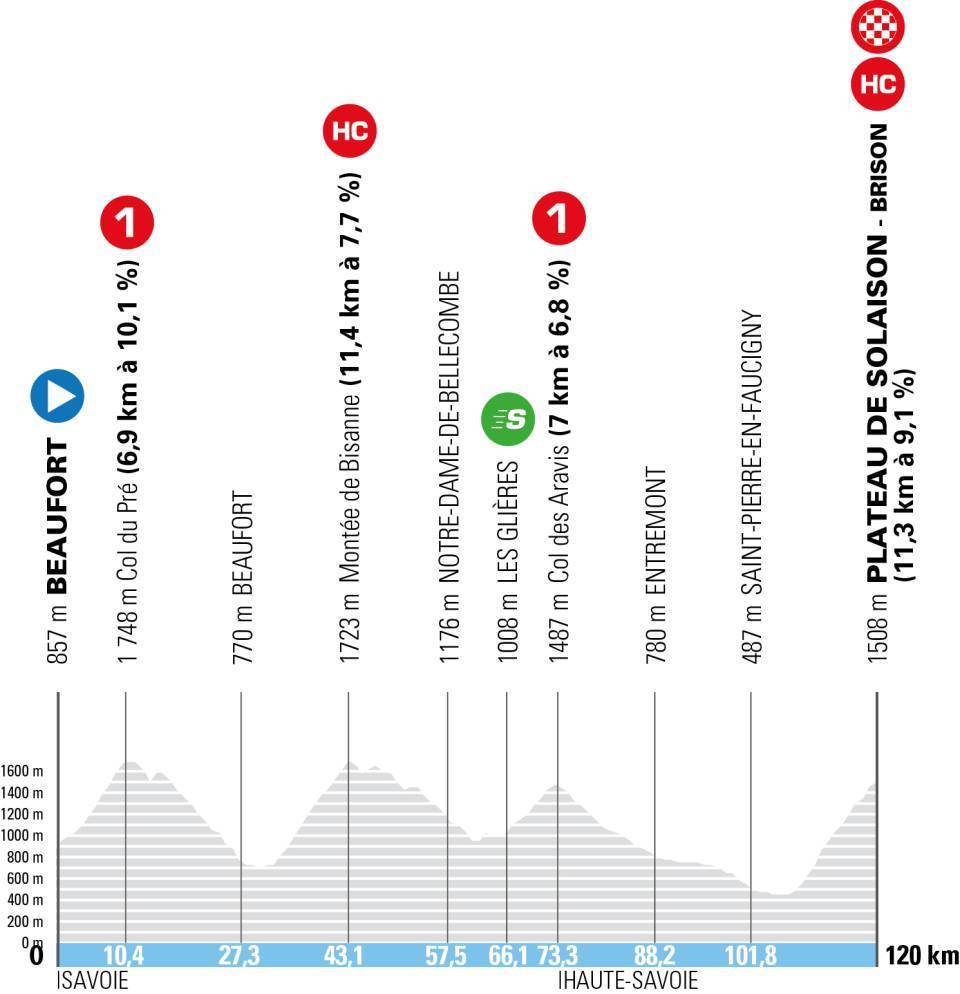
The only negative about this stage is the distance, 120km could be a junior race. But otherwise it’s great with the scenic and steep Col du Pré to start and then a more regular descent back to Beaufort from the Col de Méraillet. Next comes the tricky Bisanne climb which is parallel to the Col des Saisies and then the picture-postcard Col des Aravis via its steeper side. Then comes a long descent, some of it gentle to the point of being flat to reach the foot of the Plateau de Solaison. This is another Tour de France nod given Stage 15 also finishes on the Solaison, the climb last featured in the 2022 Dauphiné, Primož Roglič won the GC arm-in-arm with Jonas Vingegaard who was half a wheel ahead to win the stage and extrapolating the body language the Dane went onto win the Tour; before that Jacob Fuglsang won in 2017 so it’s not a Tour predictor and we’ll see if a non-Danish rider can triumph for a change.
Summary
A more compact route, this year’s edition doesn’t have a solo time trial but instead the team time trial offers another pre-Tour test. The Tour de France always looms large in June and it’s visible here, notably the Solaison finish. It’s also a scenic route throughout, if you wanted to take the week off for a bike packing trip this would do nicely, just pack light, especially for the Grand Colombier. There’s never an easy version of this race but this is a tough one from the start with the opening day functioning as a tricky mountain stage and only one true sprint stage.
Notes
- The race has been rebranded because the Auvergne-Rhone-Alpes region sponsors the race but it’ll take time to lose the Dauphiné label
- The long time Dauphiné organiser and cycling journalist Thierry Cazeneuve died this month and was commemorated at the route presentation today, hopefully he gets a fitting tribute during the race this June too
- The Dauphiné has usually clashed with the Rolland Garros tennis and the result is FranceTV as the home broadcaster has dedicated resources to the tennis and cycling fans have had to settle for the last 90 minutes a day of the Dauphiné. But this year the tournament will be done. We’ll see if coverage can show the earlier action but don’t bet on it
- Tudor and Cofidis have taken up their invitations to start, Q36.5 have declined, presumably in order to focus on their home race of the Tour de Suisse
- Wildcards go to Total Energies… and intriguingly Caja Rural. No invite to Dutch French team Unibet Rose Rockets despite their flag, promise and local riders Victor Lafay and Colin Savioz. Indeed the usually well-sourced Le Parisien is reporting the French team won’t get an invite to the Tour in July either when wildcards are announced tomorrow
- The Tour de Suisse has been the June rival but the Swiss event has been amputated to five days making it a more compact event and so less of a pre-Tour test
- But both races don’t overlap so it’s possible to finish the Dauphiné AuRA Tour and start Suisse
- Remco Evenepoel, Juan Ayuso, Isaac Del Toro and Cian Uijtdebroeks are the headline names for now. For Evenepoel it’s a crucial climbing test ahead of the Tour, for Ayuso a chance to grab a big win and for Del Toro to quietly ensure he’s more than a protected rider at UAE come July
- As well as these big names the result is also within reach for a pure climber if they can ride on the coattails of colleagues in the team time trial