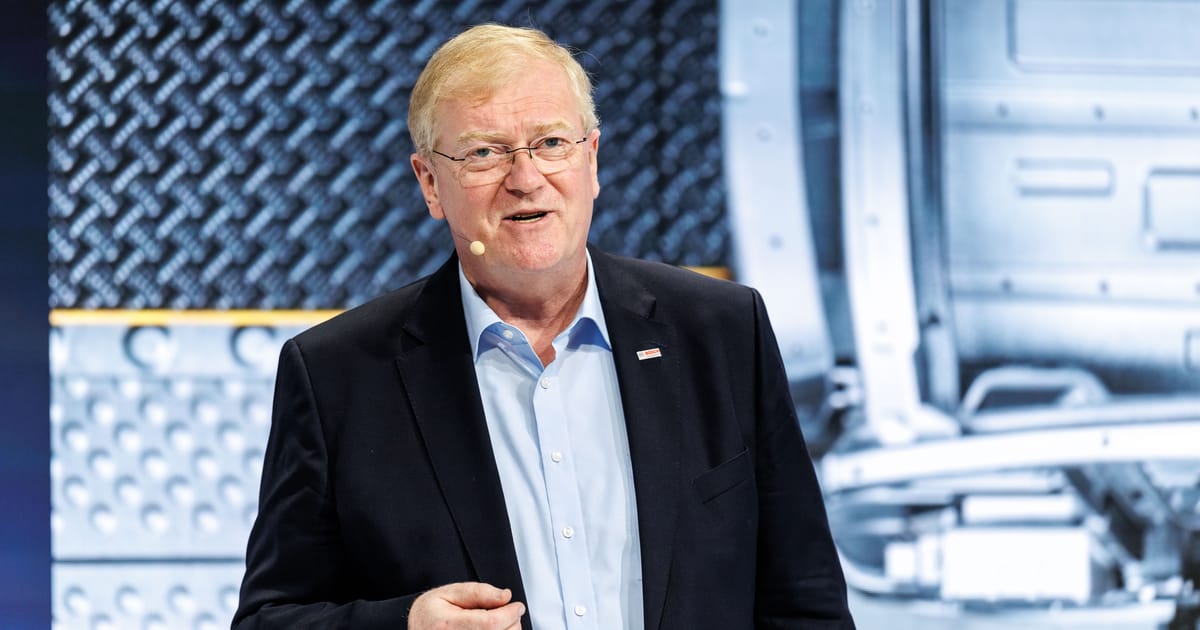
The move lands amid a deepening slump in the country’s automotive industry, long the backbone of German manufacturing. The sector has been shedding jobs rapidly: A 2025 study by EY found that more than 50,000 automotive positions were cut in Germany last year alone.
Germany’s automotive downturn has become a wider political test for the government in Berlin and Europe more widely. Once the economy’s crown jewel, the industry is now being challenged by current policy on electric vehicles, energy costs and aggressive competition from Chinese manufacturers.
As suppliers weaken, the risk is shifting from lower profits to a lasting loss of competitiveness. With layoffs rising and investment decisions being delayed, Chancellor Friedrich Merz’s government is coming under growing pressure from workers, unions and industry leaders to rethink Germany’s industrial strategy — as doubts spread domestically and across Europe about the country’s ability to remain an economic powerhouse.