In this month’s moving to France newsletter, we look at the realities of life in rural France and getting the correct visa, via internet access and why so many Americans moved to France in 2025.
Here at The Local we’re an Anglo-American team living in France – which means we have been through the simultaneously exciting and terrifying process of moving countries.
This newsletter is aimed at people who are in the process of moving, have recently moved and are still grappling with the paperwork or perhaps are just thinking about it – and we share a monthly selection of practical tips. Our team is also available to answer questions from subscribers to The Local.
We’ve had some new data from the French Interior Ministry which shows – among other things – that plenty of people moved to France last year. New arrivals from the UK mean that Brits are now the fifth largest immigrant group in France, while the data also showed a sharp rise in the number of Americans moving to France in 2025.
Many are speculating that the rise in arrivals from the US is related to the Donald Trump regime – I’m sure that some of them are (in fact, I’ve met some of them) but in truth people move for a multitude of reasons; for work, for love, for a sunny retirement or just for the adventure of living in a new country.
If you’re from a non-EU country, your first step is making sure you have the correct visa for your situation.
READ ALSO: EXPLAINED: What type of French visa do you need?✎
But looking beyond immigration matters, there are a lot of other things to consider when deciding exactly where in France you want to live.
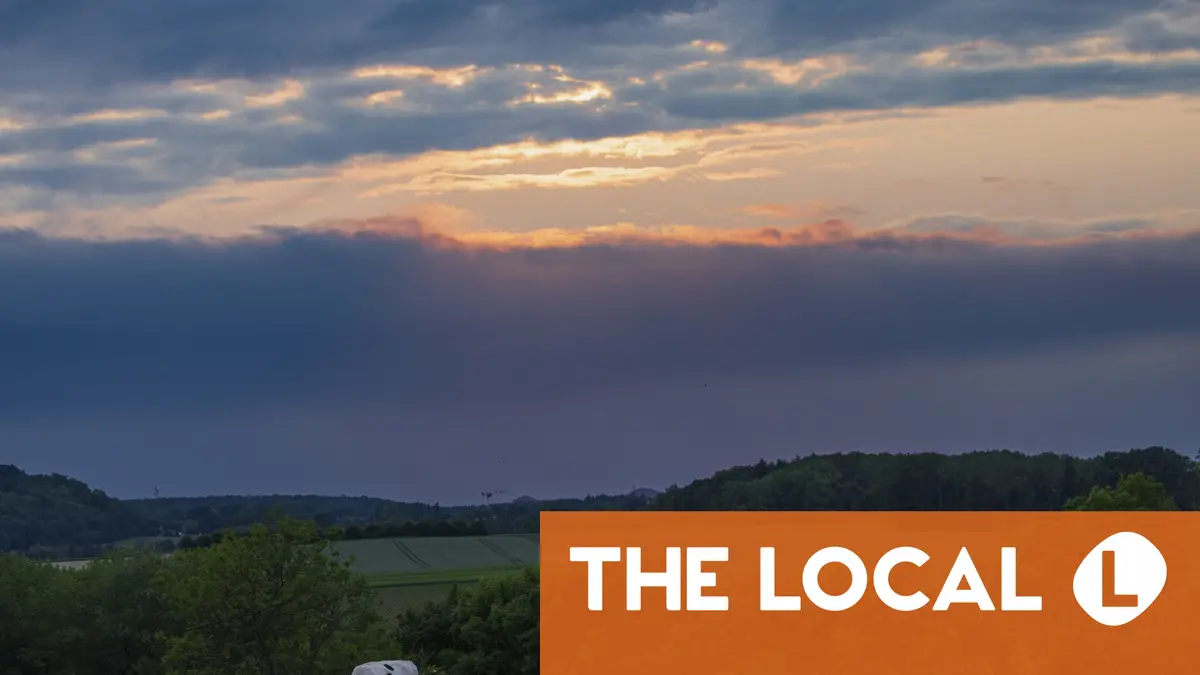
The French countryside is a popular choice – no real mystery there, it offers a slower pace of life and much of it is stunningly beautiful. Gaze out over the rolling French countryside on a summer evening, glass of rosé in hand, and the temptation to stay there forever is almost unbearable.
There are, however, some practical considerations – first of all, do you need a car? Our rural-France writer Samantha Davis contends strongly that you do.
READ ALSO: Do you really need a car to live in rural or small-town France?✎
Naturally, in order to drive you will need a driving licence – and if you’re from a US state or Canadian province that doesn’t have a ‘swap’ agreement with France that may mean taking a French driving test (yes, in French).
READ ALSO: How to take (and pass) the French driving test✎
If you’re planning to work from home, you will also need to check out the internet connections – and here we have some good news. While rural France used to be notorious for its slow, unreliable internet, these days things are much better and the high-speed internet rollout is going very well.
READ ALSO: Latest: How is France’s high-speed internet rollout going?✎
If your plan is to work remotely from your gorgeous French farmhouse in the beautiful countryside then a) I’m jealous and b) don’t forget to check that your residency status allows for remote work.
And finally, some of our American readers are worried about the reception they will receive in France as international tensions rise – we asked Americans in France about their experiences, and I was delighted to learn that none of them are experiencing any hostility.
READ ALSO: ‘The French are sympathetic’: Americans on life in France in the Trump era✎
Any Questions?
The Local’s Reader Questions section covers questions our members have asked us and is a treasure trove of useful info on all kinds of practical matters. If you can’t find the answer you’re looking for, head here to leave us your questions.
Bon courage !