There is usually a week or more gap between massive aerial attacks in any case, so it’s unclear whether Russia has actually paused anything.
There has been no major strike since 24 January, when hundreds of tower blocks in Kyiv lost power and heating.
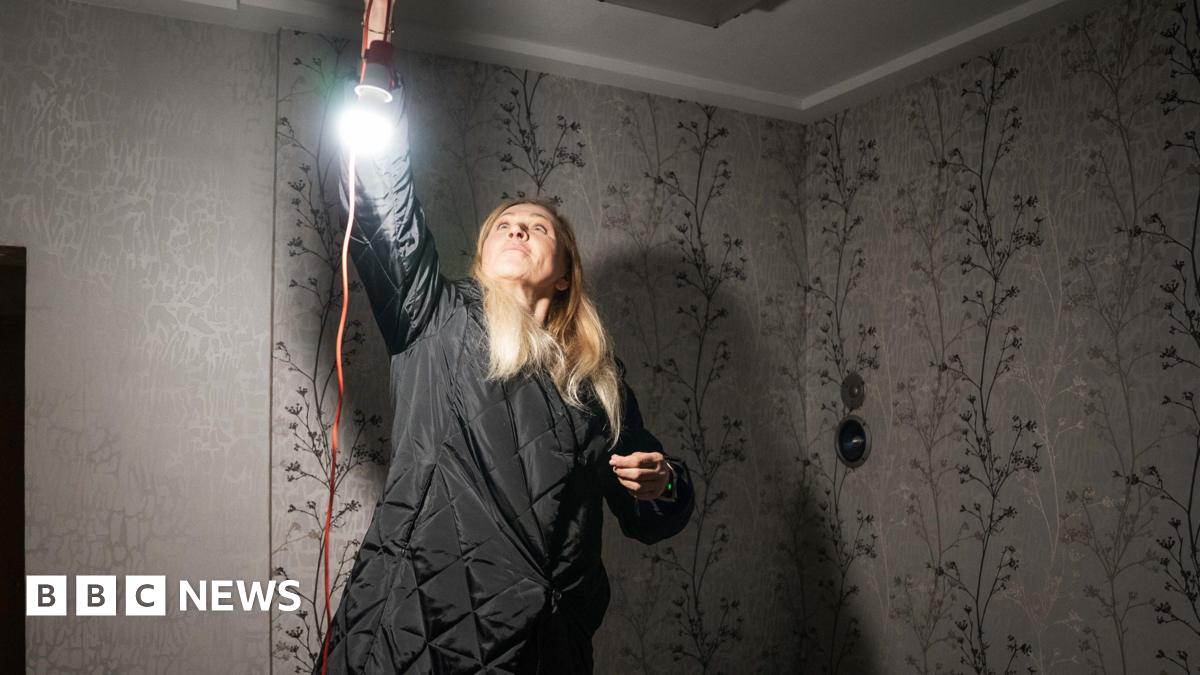
“It has been quieter for a bit, but I don’t know if that’s linked,” a doubtful Yulia says, suspecting the strikes will restart at any moment.
“I think Putin wants to turn people against their government, to have them say: ‘Just give Russia anything to make this stop’,” Yulia says.
“He wants to break us, but it won’t work.”
Ukraine’s heating system is breaking down though.
The Geneva Convention, the laws of war, bans attacks on infrastructure that cause excessive harm to civilians.
But this is the fourth winter in a row that the energy grid has been targeted by Russia deliberately, leaving it more fragile and harder to repair after each successive strike.
Engineers have been drafted in from Ukraine’s national rail company and elsewhere, working around the clock to restore electricity, and to defrost and patch up the heating pipes that run beneath giant apartment blocks in Dnipro, Kyiv and beyond.
An extended pause in strikes on the sector would provide a welcome break, but few Ukrainians trust Russia to deliver that.
That’s because, elsewhere, the deadly strikes have not stopped.