Just how common is your surname and where does it come from?
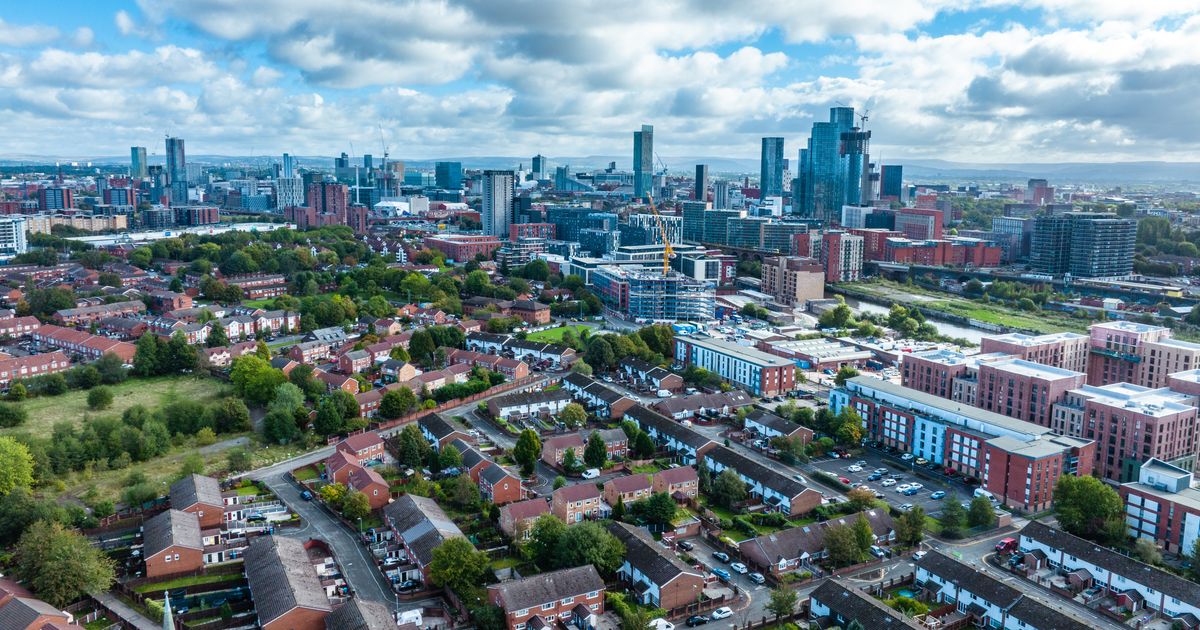
These are Greater Manchester’s most common surnames(Image: Getty Images)
Lowry, Pankhurst, Gallagher, Gibb, and Coogan. These might be the surnames of some of the region’s most famous figures, but don’t feature in the top 20 most common surnames in Greater Manchester.
According to genealogy platform Forebears, there are roughly 112,121 distinct surnames across the region, with an average of 24 people per name. We all know a Smith, Jones or Taylor, so it’s hardly surprising to find these three surnames leading the rankings.
But what are the origins of these surnames, and what do they actually mean? Using the Ancestry and Find My Past sites, we’ve looked into the origins of the 20 most popular surnames.
Try MEN Premium NOW for just £1
Many are patronymic (meaning a name derived from a father’s or an ancestor’s name). Other names have geographic, occupational, or other historical origins.
1. Smith
Smith is an English and Scottish surname given to people who worked with metal, especially iron, like blacksmiths or farriers. The name comes from Middle English ‘smith,’ which likely comes from Old English ‘smītan,’ meaning ‘to strike’ or ‘hammer.’
During medieval times, smiths made horseshoes, ploughshares, and other household items. They also made swords, weapons, and armour.
2. Jones
Jones is a popular surname that began in Wales, where it remains the most common today and is the second most common in England. The name comes from the Welsh tradition of naming someone as the son of Ioan, John, or Johan.
When Welsh names were changed to English forms in the 1500s, the name Jones stayed and was passed down in families. In England, people mostly used the name Johnson instead of Johns or John.
3. Taylor
Taylor is an Anglo-French occupational surname that likely came to Britain during the Norman occupation. It comes from the Old French ‘tailleur’ (cutter of cloth) or the English ‘tailor.’ Taylor is common across the British Isles – fourth most common in the UK and fifth in England – and in other countries once colonised by Britain.
4. Williams
Williams is a patronymic surname, usually given to the ‘son of William’ (also Wilhelm or Guillaume). There is no single family to trace this name back to, but Williams is believed to have started in both England and Wales.
5. Brown
Brown is a common surname with several origins, most often used to describe someone with brown hair, clothing, or skin. The name has roots in Old English ‘brun’, Middle English ‘broun’, Norse ‘brunn’, and French ‘brun’.
6. Davies
Davies is a patronymic Welsh surname and the second most common in Wales. The root of Davies (Dyfed or Dafydd) has been recorded since the 1100s and has several possible origins. Most often, Davies means ‘son of David,’ but it can also refer to people from Dyfed, a region in southwest Wales. The surname is especially common among people of Welsh heritage.
7. Johnson
Johnson is mainly an English and Scottish surname with a patronymic origin. It means ‘son of John’ or ‘son of Johannes,’ so similar names appear wherever these first names are common, such as ‘Janssen’ or ‘Jonsson’ in Scandinavia, especially in Christian countries.
8. Khan
Khan is a Muslim surname, also common among African Americans. It comes from the English spelling of a status name based on the Mongolian ‘khaan,’ meaning military ruler or sovereign. Originally, it was a hereditary title among Tartar and Mongolian tribes, especially for leaders like Genghis Khan (1162–1227). Today, Khan is widely used as a surname throughout the Muslim world.
9. Wilson
The surname Wilson is a patronymic name of English and Scottish origin, meaning “son of Will” or “son of William”. It emerged in the medieval period as a common way to identify individuals, with “Will” being a popular short form of the Germanic name William.
10. Jackson
Jackson is usually considered an English surname, though some think it started in the borderlands between England and Scotland. It is common across the British Isles and the English-speaking world. Jackson is a patronymic name, meaning ‘son of Jack’ or ‘son of John’.
11. Patel
Patel is an Indian name meaning ‘village headman.’ In Gujarati, it is ‘pəṭel,’ and in Kannada, it is ‘paṭēla.’ The name comes from the Sanskrit ‘pattakila,’ which means ‘tenant of royal land.’
12. Roberts
Roberts is a popular British surname with two main origins. First, it is thought to be patronymic, meaning ‘son of Robert,’ and is especially common in Wales and Scotland. The second origin, more common in England, refers to someone who was a ‘servant of Robert.’
13. Robinson
Robinson is a common surname in the United Kingdom. Because of English settlement in Ulster, it is also fairly common in Northern Ireland. Robinson is usually a patronymic surname from England, meaning ‘son of Robin,’ with Robin being a common nickname for Robert.
Less commonly, Robinson can also be an anglicised form of some Jewish surnames, such as Rubenstein and Rabinowitz.
14. Walker
Walker has Anglo-Saxon roots and is most common in German and English-speaking countries. It is an occupational surname first recorded in the 1200s, from the Germanic word ‘walker,’ meaning someone who did fulling.
Fulling was a step in clothmaking before industrial times, where fabric, usually wool, was thickened by beating it with feet or hands. In Scots, this process is still called ‘waulking.’ In England, Walker is more common in the north and is thought by some to have started in Yorkshire.
15. Hughes
Hughes is an anglicised surname found widely in Wales and Ireland, especially in Anglesey. It is mostly a patronymic name, meaning ‘son of Hugh,’ ‘Hu,’ or ‘Huw.’ In Ireland, the name likely has similar origins, especially in the North, where settlers brought it during the Ulster Plantation. The root may also come from the Irish name ‘O hAodha,’ meaning ‘descendant of Aodh,’ which was anglicised to ‘Hugh.’
16. Wood
Wood is mostly a geographic surname. It is a British name found as early as the 1200s and is common throughout the English-speaking world. The name usually described someone who lived or worked in a wood or forest.
Less often, Wood can be an anglicised form of the German ‘Wald,’ or come from a nickname for someone ‘wild,’ from the Old English ‘wod.’
17. Ahmed
Ahmed is a surname of Arabic origin that means “most commendable,” “highly praised,” or “one who thanks God.” It comes from the Arabic root ‘hamada’ (“to praise”) and is an epithet of the Prophet Muhammad, showing his high status. The name is widely used in Muslim communities to reflect admiration and virtue.
18. Harrison
Harrison is believed to be an English surname. It has been found in records from the 1300s and is still popular in England today. Harrison is a patronymic name, meaning ‘son of Harry’ or ‘son of Henry.’
19. Thompson
Thompson is a common surname, mostly thought to have Scottish origins. It is usually a patronymic name meaning ‘son of Thomas,’ and can sometimes be an anglicised form of ‘MacTavish.’ Less often, Thompson is a geographic surname from the village of Thompson in Norfolk.
20. Kelly
Kelly is a surname with several origins, but it is most often Irish, where it remains very common. Kelly comes from a patronymic name, as an anglicised form of the Gaelic ‘O Ceallaigh’ (descendant of Ceallach). Less often, Kelly is a geographic surname for someone from places in Britain called ‘Kelly’ or ‘Kellie,’ such as in Devon, Forfarshire, and Fife.