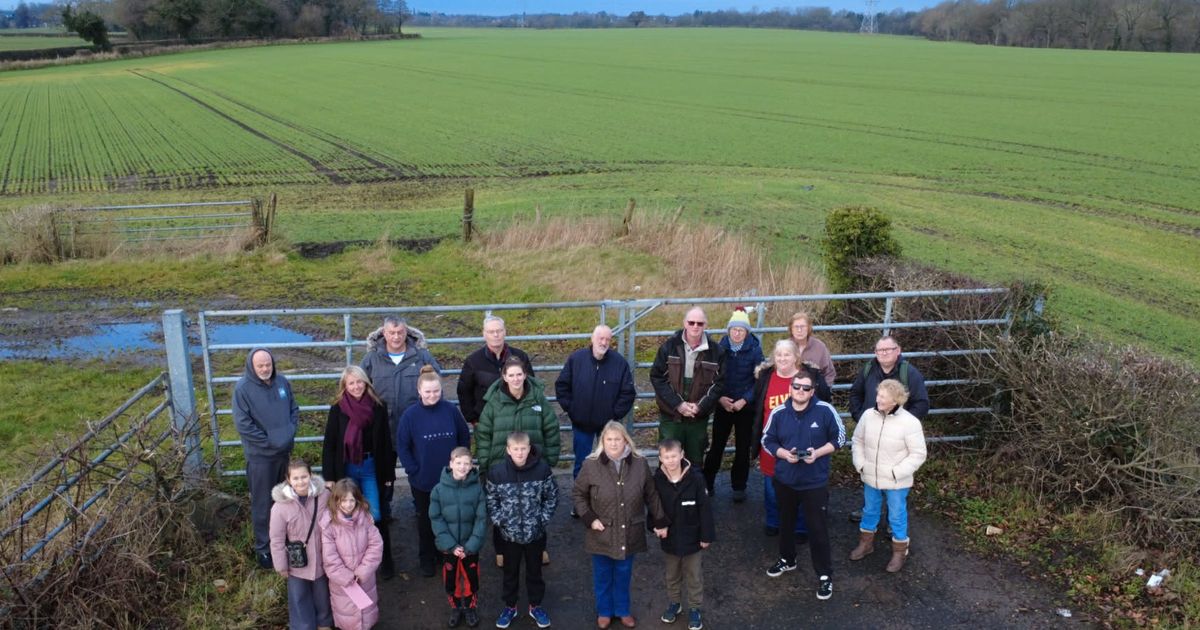
The plan has been branded ‘catastrophic’ by opponents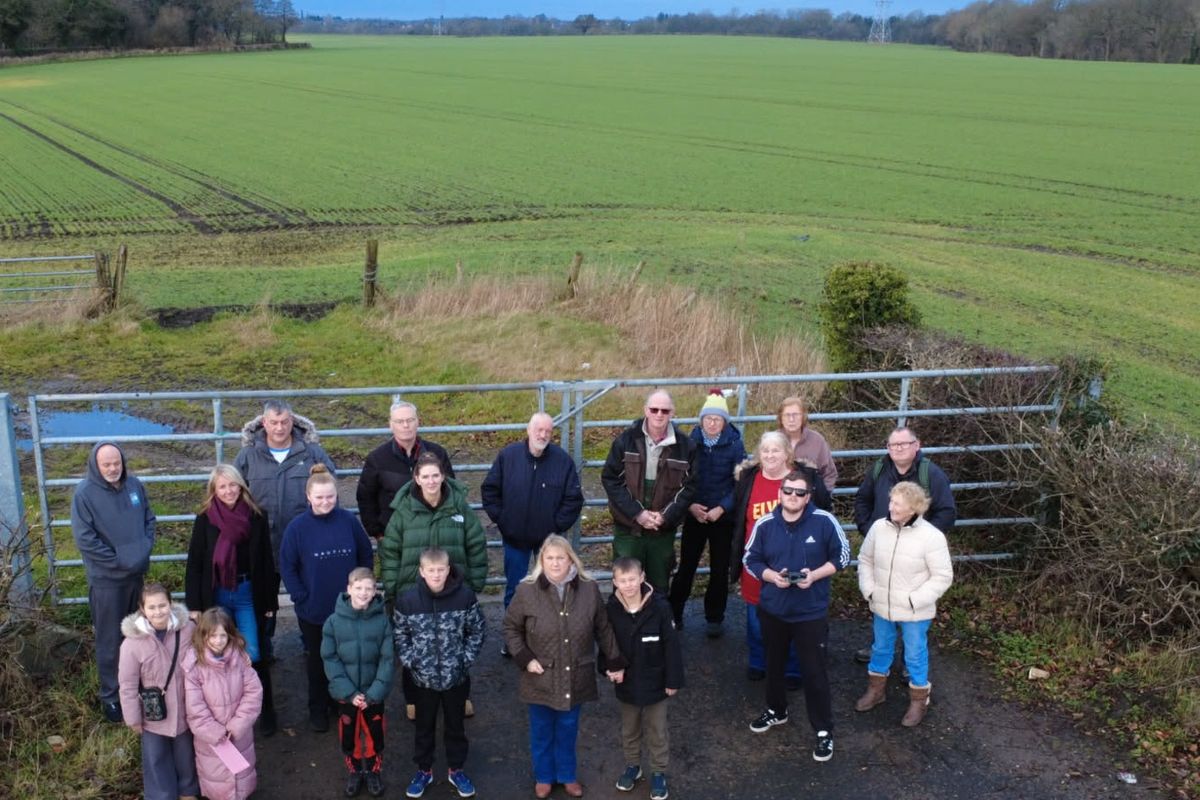
Warburton and Partington residents have come out in opposition to the planned new road through Carrington Moss(Image: Friends of Carrington Moss)
A new road in rural Trafford looks likely to pit neighbour against neighbour with communities torn over whether it should be built. The Carrington Relief Road has been touted as the solution to traffic “challenges” in Partington and Carrington.
The project aims to divert traffic away from the A6144, reducing congestion and improving travel times for drivers and public transport users. The 2.7-mile road would link the A6144 Manchester Road to the west with the A6144 Carrington Spur in the east, and forms part of a wider masterplan for the area, known as New Carrington, which will ultimately see some 5,000 new homes and 350,000sqm of new employment space built.
However, some who live in the area are less convinced of its purported virtues. Residents and local representatives fear the new route will actually draw more traffic to the area, as well as “destroying” local habitats and increasing the risk of flooding in the surrounding towns and villages.
Try MEN Premium NOW for just £1
Partington resident Brenda Williams believes the scheme will bring “no benefits” to Partington. She said: “This road will encourage much more traffic to travel through Partington, increasing congestion and pollution, not reducing it.”
Karen Worsley, who lives in Sale West, added: “We already experience standing water on local roads when there is heavy rainfall, and at the moment Carrington Moss captures and stores huge amounts of water, keeping our properties safe. I can only imagine what will happen when the farmland is no longer doing what it does so well today.”
Chair of Partington Parish Council Wayne Edwards feels there are better ways to solve the traffic problems currently faced by the area. He has called for the disused railway lines in the area to be reopened, saying this would “genuinely improve connectivity”.
He added: “Many residents see the CRR as an expensive cut-through that will increase traffic, pollution, and stress across Partington, Warburton, and Carrington.”
The Friends of Carrington Moss group has long campaigned for the greenspace to be protected from development, including opposing the relief road. Retired teacher and secretary of the group Lorraine Eagling said they believe the “desirability” of the new route will tempt more traffic into the area.
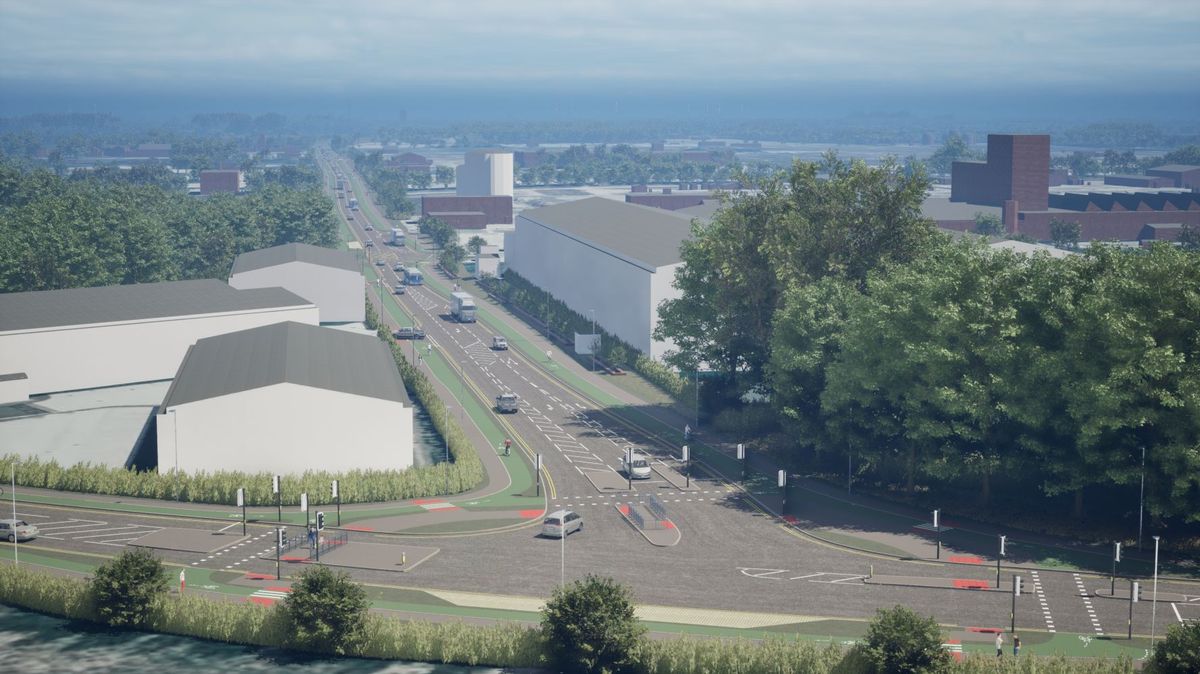
Artist’s impression of the proposed Carrington Relief Road(Image: One Trafford Partnership)
She further branded the ecological impact of the road as “catastrophic”. She said: “It will destroy an irreplaceable peat moss, it will fracture wildlife corridors, destroy woodlands, wetlands and destroy red listed bird habitats. It will destroy a natural flood defence, increasing the risk of localised flooding.
“This road is not being built for the benefit of local communities, but to facilitate growth in New Carrington. However, there are sufficient brownfield sites to meet future housing and employment needs without the need to build on greenfield, agricultural land and green belt.”
Opposition to the scheme is far from unanimous, however. Chair of Carrington Parish Council Liv Harvey said that her community wants the new scheme to go ahead. She told the LDRS that lorries and heavy goods vehicles (HGVs) currently only have one route they can take and that is through Carrington.
She said: “Everybody oversteps Carrington, and we’re the ones who have to put up with it, and we’ve always put up with it. They may be opposed to the relief road because they’re saying it’s going to cause more congestion.
“What about the existing congestion that Carrington suffers? We get the congestion, not them. They don’t see the amount of lorries that we see. So we want the relief road because you can’t walk here without a lorry and the wind of it passing you and dragging you into the road.”
Flixton resident and cyclist Tom Jeffs also said he was “broadly” in favour of the scheme. He said walking and cycling on Carrington Lane and Manchester Road is currently “frightening”.
He added: “Carrington Lane [has] only an informal muddy path; little to no pavement. Residents of Partington and Carrington have no safe way to walk or cycle to Flixton, or to Ashton.
“Some informal routes exist across Carrington Moss, but these are unsurfaced, unlit and muddy. Many residents would not feel secure using them, particularly at night.”
He was not wholly convinced by the plan though, saying he wanted to see the existing routes closed off to all but residents, buses and those walking and cycling. Mr Jeffs said: “The plans effectively create two routes between Partington and Ashton. When the relief road gets congested, motorists will be free to use the old roads […]
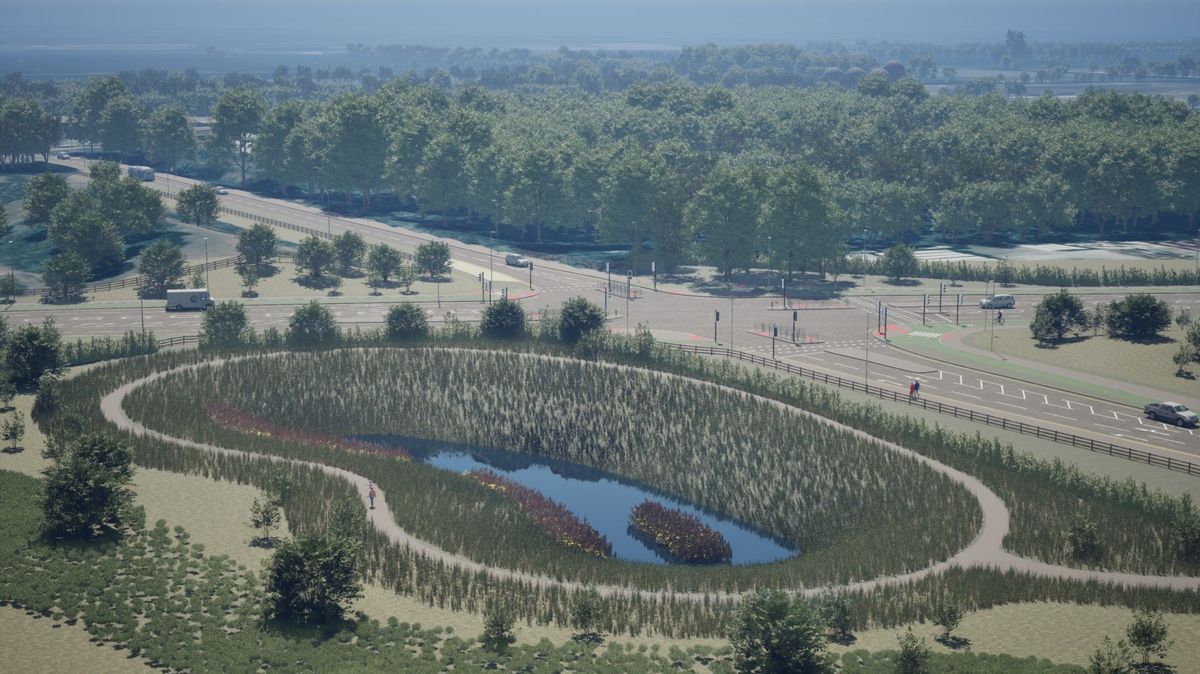
Artist’s impression of the proposed Carrington Relief Road(Image: One Trafford Partnership)
“Bus gates on these roads would immediately remove the vast majority of traffic using them, instantly creating walking and cycling routes that feel much more comfortable. And bus gates would make public transport along this corridor much more reliable, as buses would no longer be caught in queues of traffic.”
Councillor Liz Patel, Trafford’s executive member for economy and regeneration, has rejected the idea that the new route would bring no benefits for existing residents. She said: “Whilst the majority of Trafford enjoys great access to transport connections, Partington is geographically isolated by the outdated road connections it has.
“We know that any incident on the existing route through Carrington to Partington causes great disruption to local communities. This new route provides a genuine alternative and will take HGVs away from Carrington village.”
She added “measures to reduce traffic flows on the old road will be undertaken” as part of the wider project. The new route will also “enable new development” in the area, providing “ housing, affordable homes and jobs for existing residents alongside those moving into the Borough”.
She continued: “These new homes have been approved under the Places for Everyone Plan, debated over many years; it was approved after an extensive Public Examination during which those who opposed plans had their views formally considered. The great majority of future development in Trafford will be on brownfield sites.
“No Peat Moss or Woodland is directly affected by the road application itself – the historic mossland is located further to the south. Indeed a significant portion of the route is within a former petro-chemical site.
“It is good that the active travel benefits are recognised – the route contains safe features for walkers, cyclists and horse riders. On a typical cross section there is 7.3metres width for vehicles and 10 metres for safe walking and wheeling.”