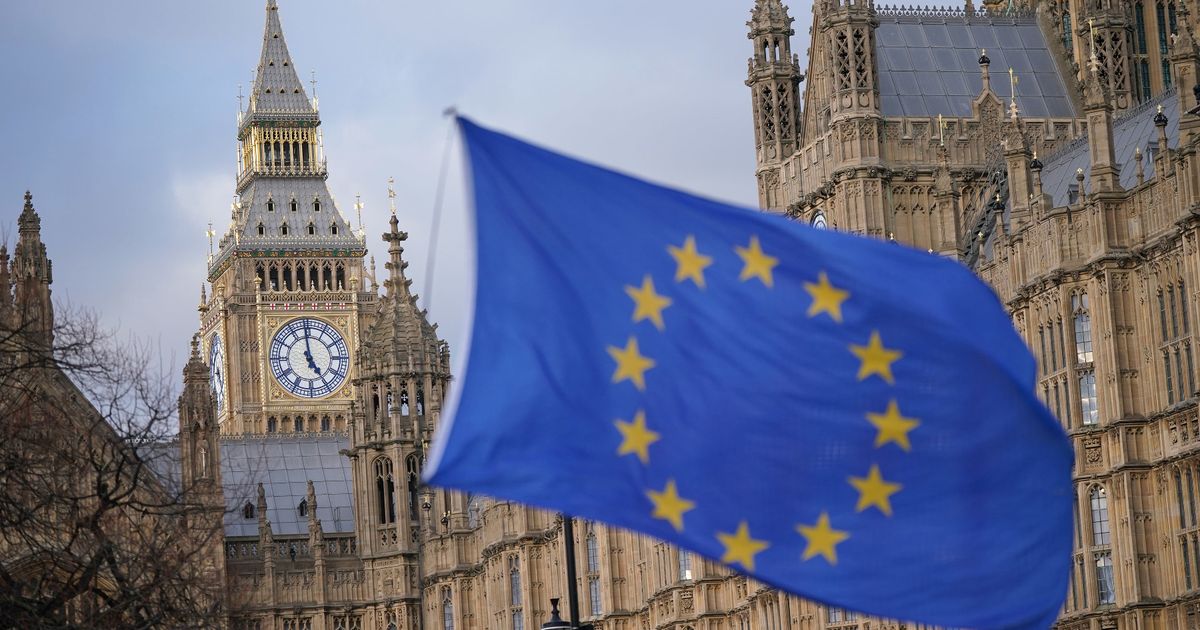
Cornwall has been said to have gone from receiving around £100 million of funding a year from the European Union over five years ago to ‘effectively zero’ this year as the Government’s post-Brexit replacement Shared Prosperity Fund comes to an end in MarchClaire Elliott, Cornwall Live readers and Lee Trewhela Local Democracy Reporter Cornwall
06:00, 02 Feb 2026
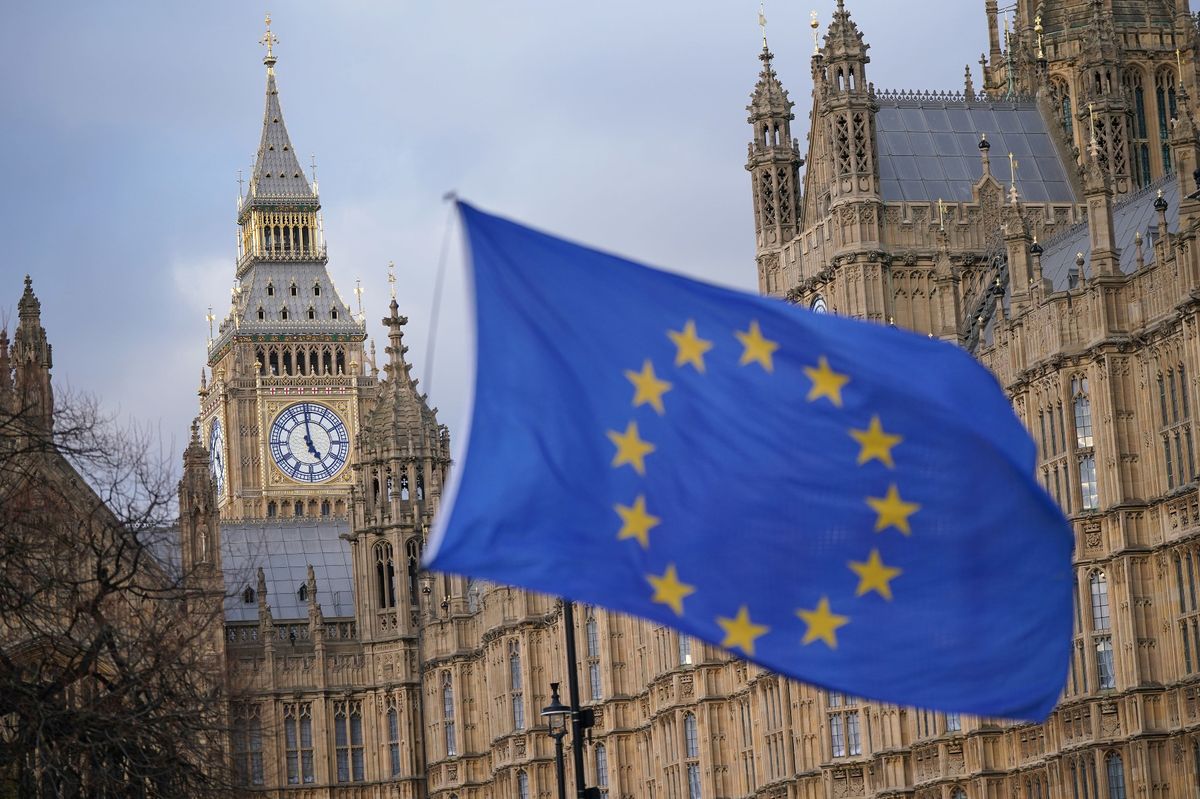
The UK left the EU on January 31, 2020 (Image: PA)
CornwallLive readers are unsurprised to hear that external funding for Cornwall has fallen sharply from around £100 million a year in EU support five years ago to effectively nothing from April, as the post Brexit Shared Prosperity Fund ends in March. Even counting the new Kernow Industrial Growth Fund, the council estimates Cornwall will receive at best about £10 million a year, and only for limited sectors on a time limited basis.
Historically, Cornwall relied on sustained EU funding due to low wages, seasonal work, high living costs, housing shortages and an economy heavily dependent on tourism. That support continued under various EU programmes through to 2020, before being replaced by the Shared Prosperity Fund at roughly half the previous level.
The SPF is now ending and has not been renewed, leaving Cornwall largely on its own to fund growth. The £30 million Kernow Industrial Growth Fund will be spread over two years and focused on areas like critical minerals and renewables, excluding much of the wider local economy. In response, Cornwall Council is proposing a £35 million Evergreen Fund over three years using its own money, but even combined with other schemes this leaves Cornwall with far less than half of previous funding and under a quarter of what it once received from the EU.
Commenter Andy B says: “EU funding was only ever a fraction of what the UK put in, as the UK and Germany were the two main net contributors. Cornwall does not want to be treated as a beggar. What we want instead are meaningful structural changes that allow the local economy to grow, such as making Falmouth a freeport, creating bonded manufacturing zones, and improving transport infrastructure so strong local businesses can thrive across the county.
“The council has pursued growth, but largely through unfunded debt. When the current administration took over, debt stood at £1.2bn and it has since risen to £1.4bn, costing around £60 million a year in interest alone. Before any further powers are devolved, that debt needs to be brought under control and the economy grown to the point where Cornwall operates at a surplus, paying more in tax than it receives in funding. Only then do devolved powers make sense.”
Steve B asks: “Why can’t this government continue with the Shared Prosperity Fund?”
Peter M replies: “It would be hard to replace the support of the EU funding and the SPF didn’t achieve it. People knew what they were voting for, which is to become poorer as a nation… even Nigel Farage pointed out that was likely in the short-medium term before people voted. Brexit has essentially delivered what it set out to do in many areas of British life including handing more powers to the very governments in the UK people seem to trust little and despise. Those Brexit voters voted to hand more power and financial control to this Labour government or its equivalent and then spend half their lives complaining about it…. when do people take accountability for their choices?”
Dave B complains: “Done over by incompetence. As of late 2025/early 2026, Brexit has reduced UK GDP per capita by an estimated 6–8%, with analysts indicating the average person has seen a hit to their income or economic well-being between £2,700 and £3,700.”
Teres D agrees: “There are EU signs everywhere showing what EU funding has given us. Yet the lemmings were convinced they knew better. Best start stockpiling those rubber dinghies so we can get out as Little Britain slowly sinks.”
Mike D wonders: “What’s happened to the millions of pounds generated by doubling council tax on second homes? Was this not supposed to help with levelling up?”
Kate Mawby thinks: “If only there had been some way to have avoided this!”
Brian Tea agrees: “If you vote based on promises that turn out to be untrue, you also have to accept what follows. Choices have consequences, and when decisions are made on slogans rather than substance, the outcome is rarely a surprise. Responsibility does not end at the ballot box.”
What do you make of Cornwall’s funding cliff edge? Is this a chance for real self-reliance, or has the Duchy been left high and dry? Share your thoughts below in our comments section.
Want the latest Cornwall breaking news and top stories first? Click here to join CornwallLive on WhatsApp and we’ll send breaking news and top stories directly to your phone. We also treat our community members to special offers, promotions, and adverts from us and our partners. If you don’t like our community, you can check out any time you like. If you’re curious, you can read our Privacy Notice