
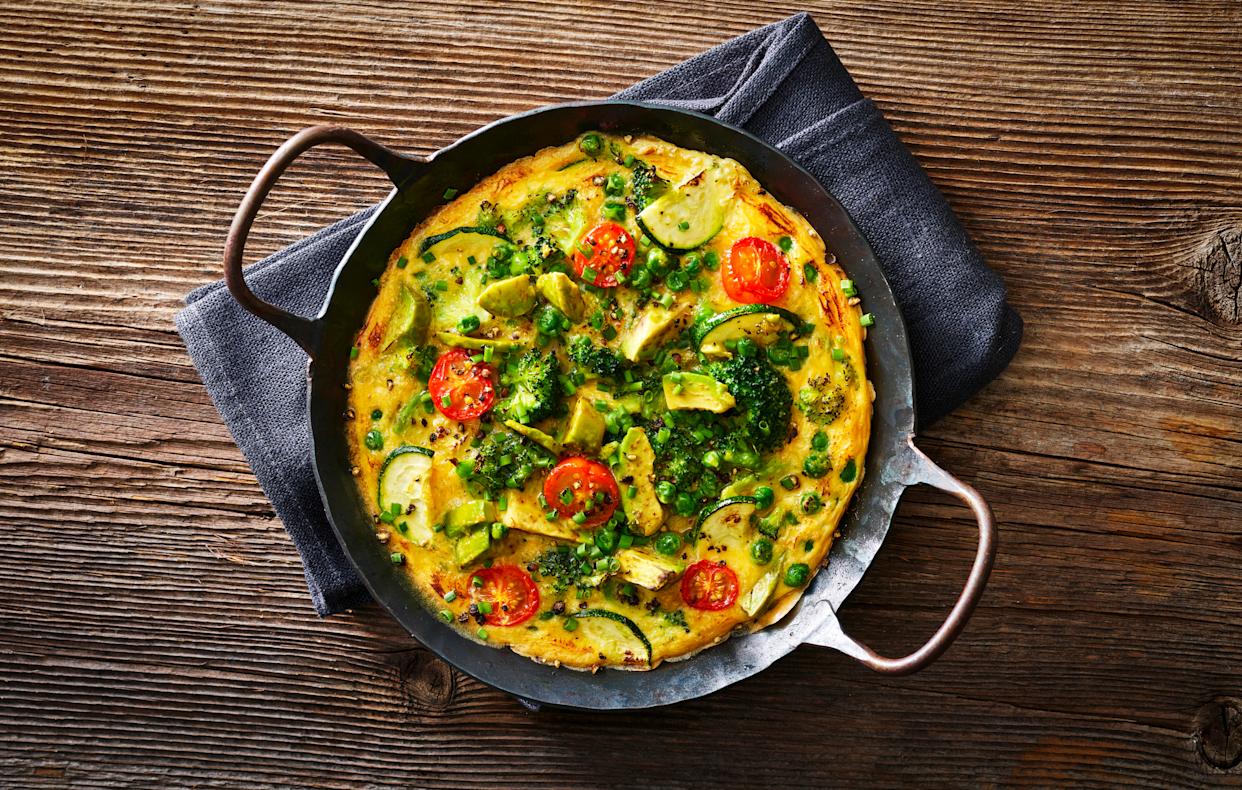
Eggs form part of a healthy balanced diet, but there are other ways to get your protein sources, say nutritionists.
(Westend61 via Getty Images)
When you think about cheap and delicious foods that are high in protein, there’s one food that likely springs to mind: eggs. Whether you poach, boil, scramble or fry eggs, the nutrient-dense breakfast favourite has long been regarded as the gold standard of quality protein – and rightly so, as they pack an impressive 6g per serving.
But if you’re getting tired of trying to find inventive ways to shoehorn more of them into your diet, eggs aren’t the only inexpensive supermarket food that is surprisingly high in macronutrients.
“When people shop for protein, they usually jump straight to eggs, chicken or protein shakes. But in reality, plenty of everyday foods, including some you’d never label as ‘high-protein’, make a meaningful contribution to your daily intake,” explains nutritionist Rob Hobson, author of Unprocess Your Life. “It’s a useful reminder that protein adds up across the day, often from unexpected places.”
Protein is an essential nutrient we all need for energy, growth, and the repair and maintenance of our bodies, particularly our bones and muscles. A diet high in quality sources can improve bone density, increase muscle mass (when paired with strength training) and keep you feeling fuller for longer.
For adults with a healthy BMI, the British Heart Foundation recommends a daily protein intake of 0.75g per kg of body weight. That’s roughly 45g a day for a 60kg woman.
Keen to add a bit more variety to your daily dishes? Below are some alternatives to try.
Frozen peas
Frozen peas are a fantastic source of protein.
(Tatiana via Getty Images)
Cheap and cheerful frozen peas often get overlooked in the “superfood” conversation.
“They’re quietly one of the most underrated protein sources going though,” reckons Hobson. “With a 150g serving packing seven grams of protein, they rank highly on the list of plant-based alternatives to poultry and red meat.
“Not only are they convenient and great for people on a budget, but they are surprisingly useful nutritionally because you get a good hit of protein, fibre and micronutrients, with very little in the way of prep,” he continues.
“They’re easy to add to everyday meals, and you can try stirring through pasta, risottos or soups, or blitz into pestos and dips to help boost protein without changing how a dish tastes.”
Pumpkin seeds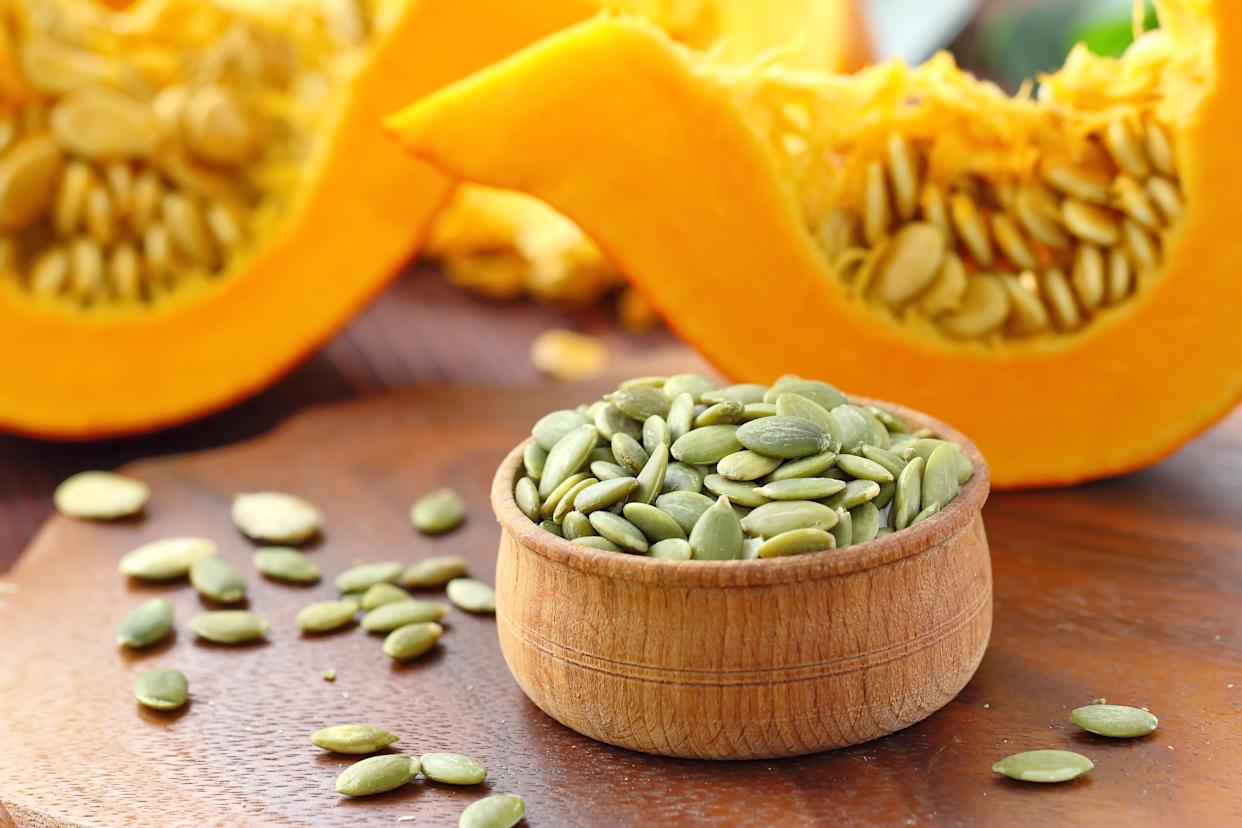
As far as desk-side snacks go, pumpkin seeds are one of the best you can buy for upping your protein intake.
(lisaaMC via Getty Images)
Nuts and seeds are one of those healthy food groups we know we should be eating more of, especially since studies suggest eating a more diverse range of the hard-shelled plants is linked to better cholesterol levels and blood sugar markers.
And if you’re looking for an extra reason to add more of them to your diet, a 30g handful of pumpkin seeds contains a whopping 10.5 grams of protein. That’s similar to some supermarket-sold protein bars, which are often ultra-processed and can contain high amounts of hidden sugar.
“Pumpkin seeds are a really concentrated source of plant protein, but they also bring healthy fats, magnesium and zinc, so they’re doing more than just bumping up protein numbers,” affirms Hobson.
A small handful goes a long way. You can try sprinkling them over salads, soups, or yoghurt, adding them to porridge or using them in pestos and seed mixes for crunch and nutrition.
Edamame beans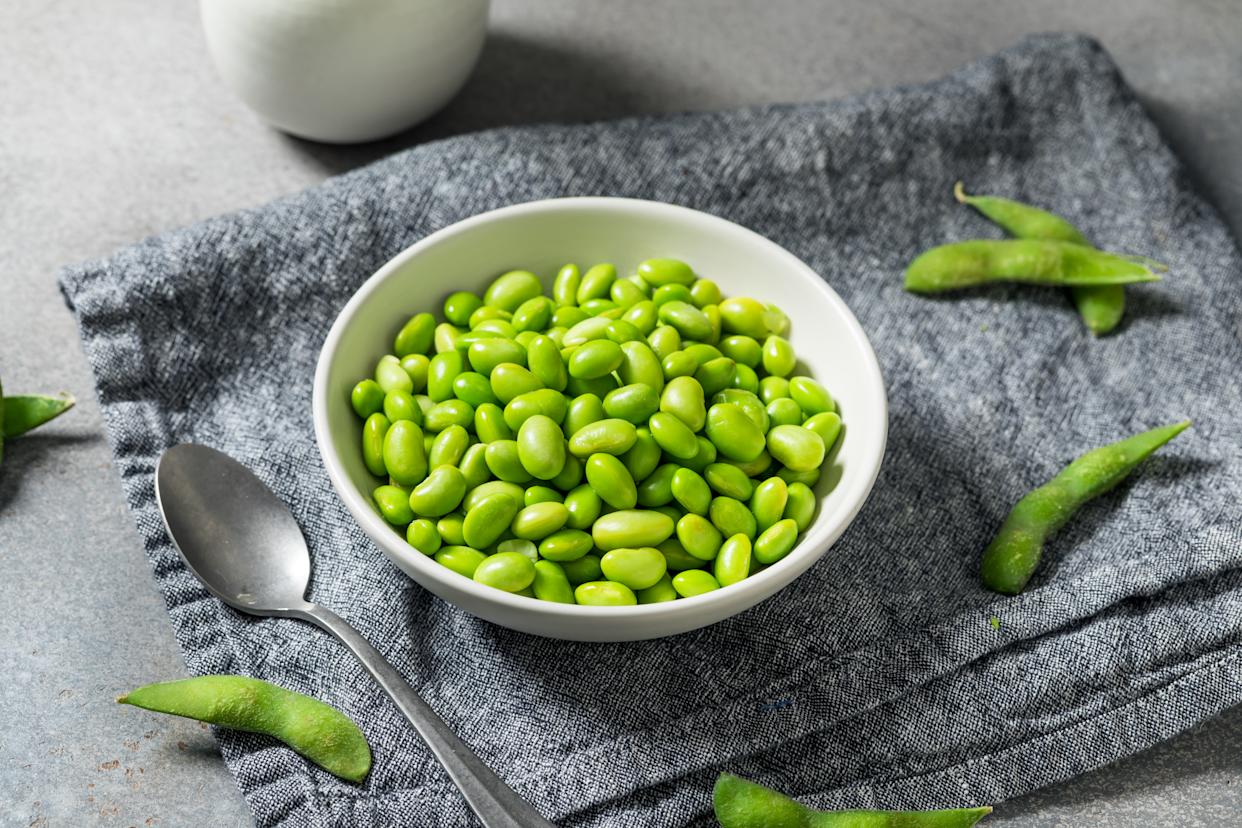
Protein-packed edamame beans can be bought fresh or frozen in most supermarkets and are a great snack or addition to meals.
(bhofack2 via Getty Images)
With around 12g of protein per 100g serving, frozen edamame beans are a delicious addition to stir fries that can hugely boost your daily protein score.
“They really are one of the strongest plant-based protein options you can buy, and they’re a ‘complete’ protein too (containing all the essential amino acids our body needs), which makes them especially useful for people who are trying to eat less meat,” Hobson notes.
Incredibly versatile, they’re great tossed through noodles, grain bowls and salads, or blended into dips and spreads for an easy protein upgrade.
Lentils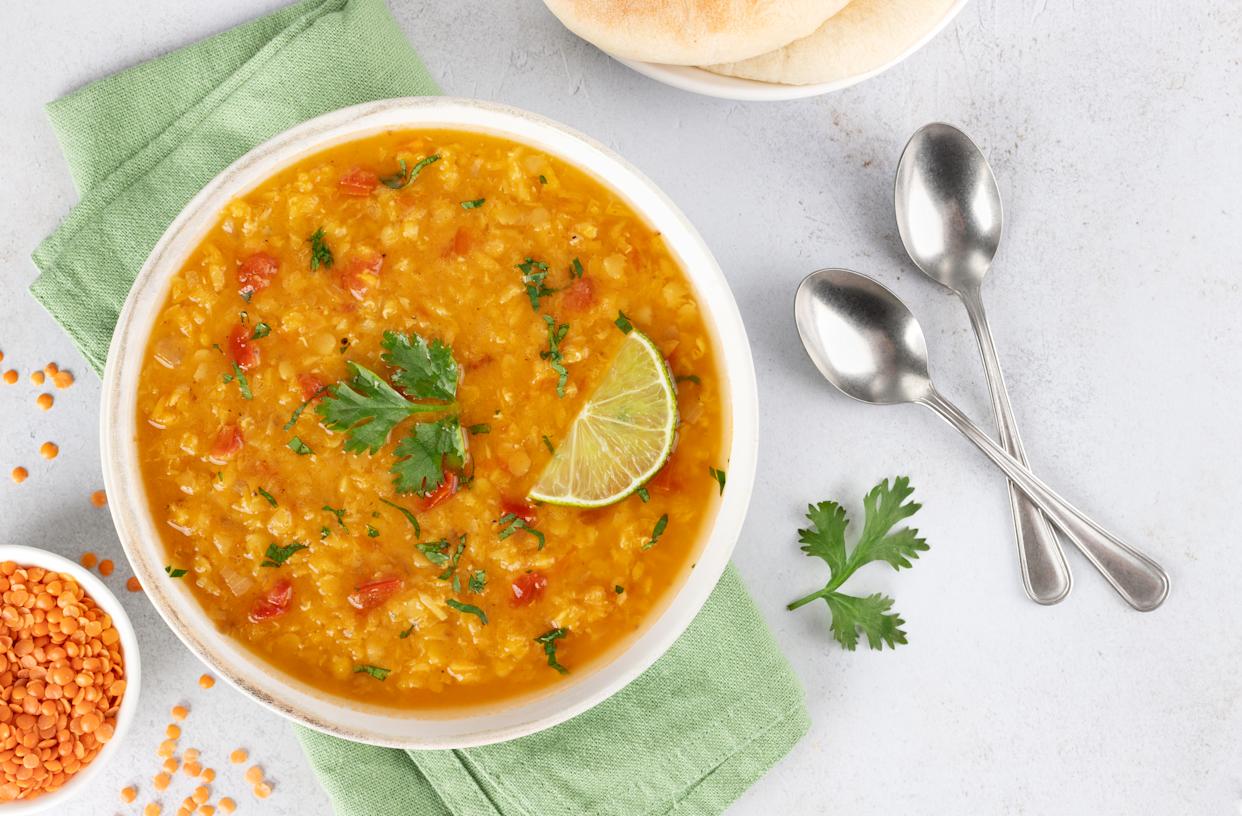
Lentils are fantastic in soups, curries, meal sauces, grain bowls and more and are a great source of protein.
(Anastasiya Larionova via Getty Images)
Thanks to the swathe of vegan cooks sharing inventive dinner recipes on Instagram, green lentils no longer have to be a soggy, unappealing side dish.
And since they contain an impressive 11 grams of protein per 100g serving, they make a solid choice for brawn-building gym-goers who don’t want to rely solely on a rotation of meat and eggs.
“Lentils punch well above their weight nutritionally,” says Hobson. “They provide protein, fibre and slow-release carbs, which makes them very effective for keeping you fuller for longer.”
Add them to curries, soups and stews, or mix into minced meat dishes to boost protein and fibre without changing the flavour too much.
A packet of dried lentils costs as little as a few quid, but you can also lean on ready-cooked pouches to save time.