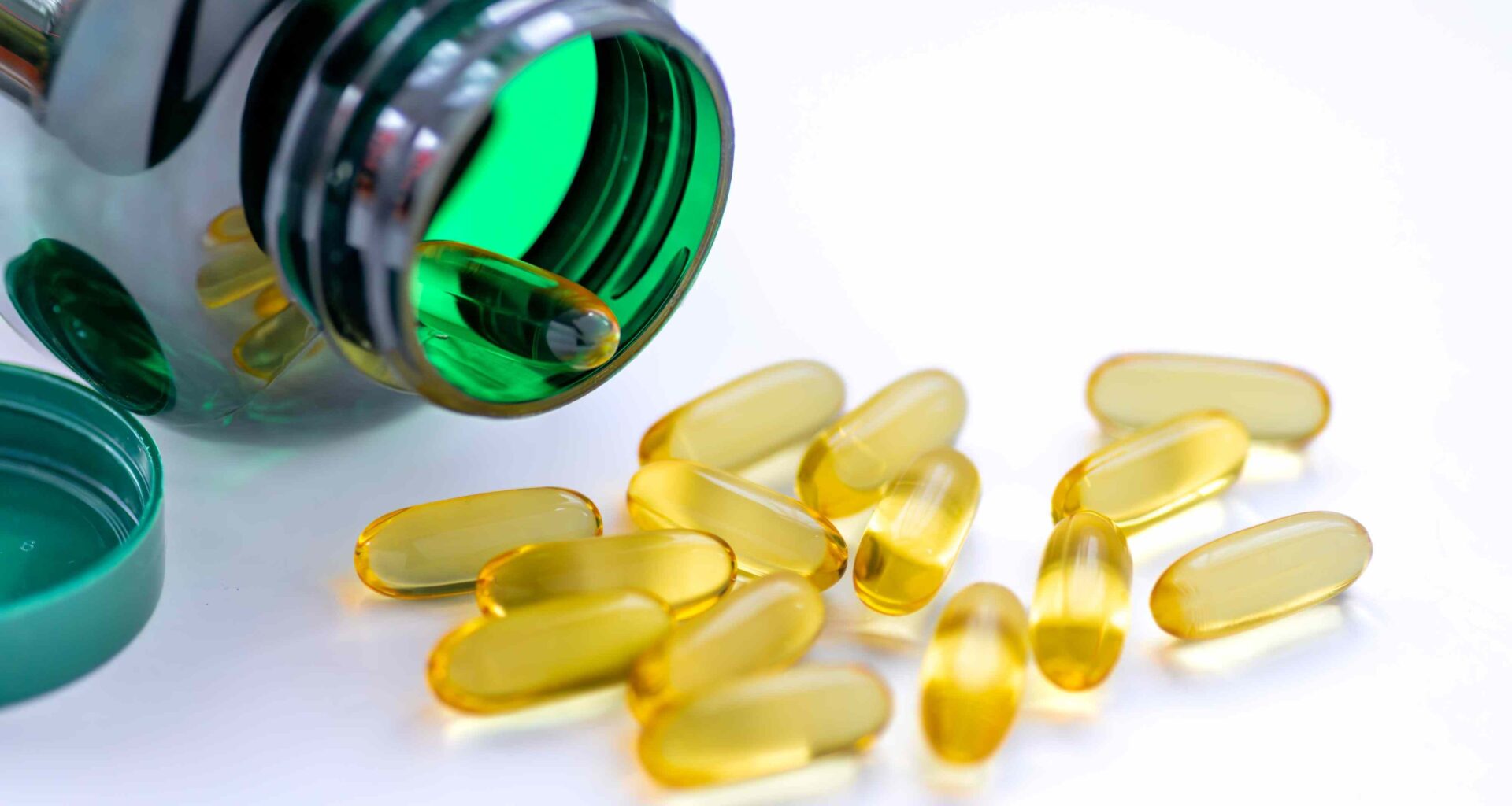
Omega-3 fatty acid supplements are often taken to support heart health by affecting cholesterol and triglycerides (types of fat in the blood). If you use omega-3 consistently, you may see your triglyceride levels drop and your “good” high-density lipoprotein (HDL) cholesterol rise.
Omega-3 fatty acids slightly increase your “good” HDL cholesterol. HDL binds cholesterol in your blood and moves it to your liver. The liver then removes the cholesterol from your body.
Having a high HDL level can lower your risk for heart disease. The mechanism by which omega-3 fatty acids raise HDL is not well understood. However, it likely improves HDL by lowering triglycerides, which can make HDL levels healthier overall.
Studies have shown that omega-3 fatty acids do not change or lower “bad” low-density lipoprotein (LDL) cholesterol. Most of your body’s cholesterol is LDL, and a high LDL level raises your risk for heart disease.
HDL levels below 40 mg/dL and LDL levels above 130 mg/dL are often used as cutoffs indicating increased heart disease risk. Depending on your levels, diet, and other medications you may be taking, a healthcare provider may recommend certain supplements and prescription medications to lower your risk for heart disease.
Triglycerides are a type of fat (lipid) found in your blood. Your body uses triglycerides for energy as needed.
A normal triglyceride level is less than 150 milligrams per deciliter (mg/dL). Triglyceride levels above 150 mg/dL can raise your risk for heart and artery diseases.
Omega-3 fatty acid supplements have been found to lower triglyceride levels:
- Omega-3 fatty acid supplements may be recommended if your triglyceride levels are consistently above 150 mg/dL.
- Taking doses of more than 2 grams per day appears to lower triglycerides by 15% to 30% in people at high risk of heart disease.
- Studies have found that high doses (over 2 grams) are more likely to lower triglyceride levels if taken for at least eight weeks.
How omega-3 fatty acids lower triglyceride levels is not well understood. It is likely because omega-3 fatty acids cause the liver to create less fat and triglycerides. The supplement also helps your body remove excess fat from your blood that isn’t being used for energy.
Omega-3 fatty acid supplements are available as an over-the-counter (OTC) supplement. OTC products usually contain about 1,000 milligrams of fish oil and a varying amount of omega-3 fatty acids. Higher concentrations of omega-3 fish oil can also be prescribed by your healthcare provider.
Some studies have found that getting omega-3 fatty acids from your diet has a more significant effect than taking a supplement. If you are not interested in taking a supplement, consider adding more fish to your diet.
Omega-3 fatty acids can naturally be found in:
- Fatty fish (like salmon, tuna, and sardines)
- Fish oils
- Some plant oils (flaxseed, soybean, canola)
- Chia seeds
- Walnuts
Talk to a healthcare provider about your heart health risks and whether an omega-3 supplement is appropriate for you. They may also recommend diet and lifestyle changes to reduce your risks.