‘We do what Greater Manchester does, we think outside the box’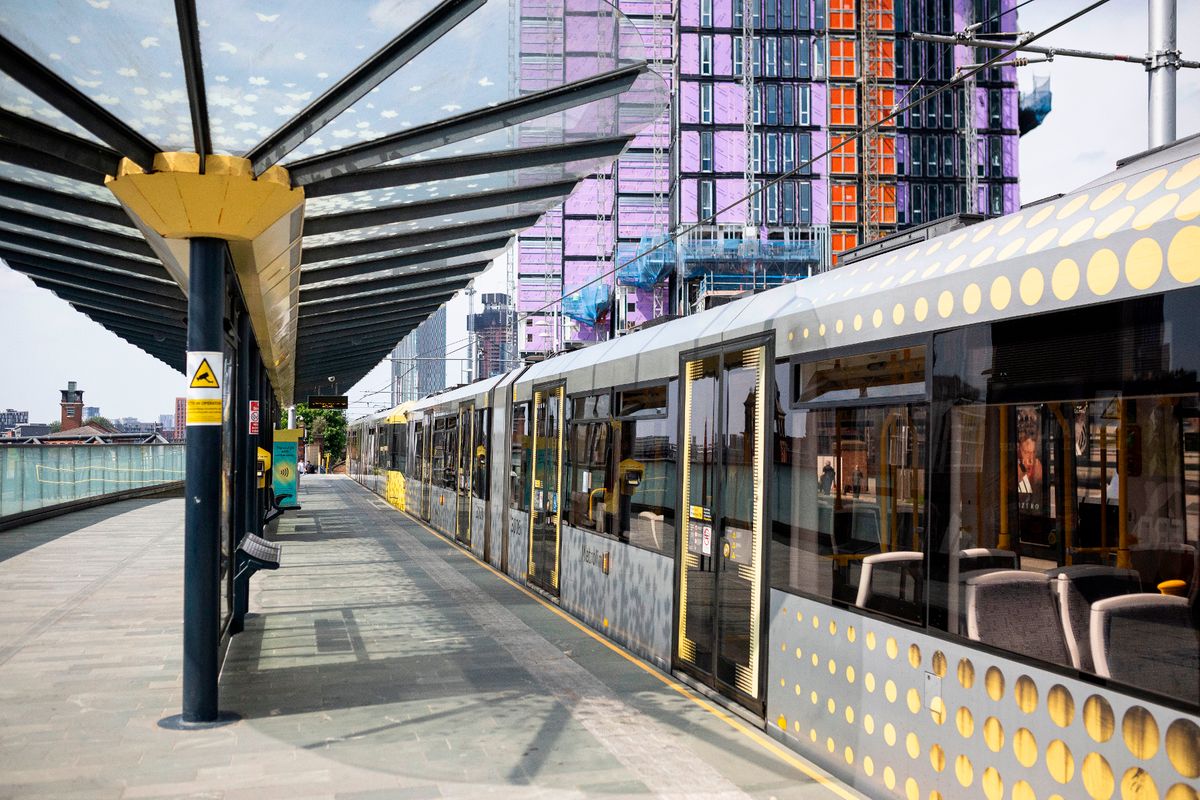
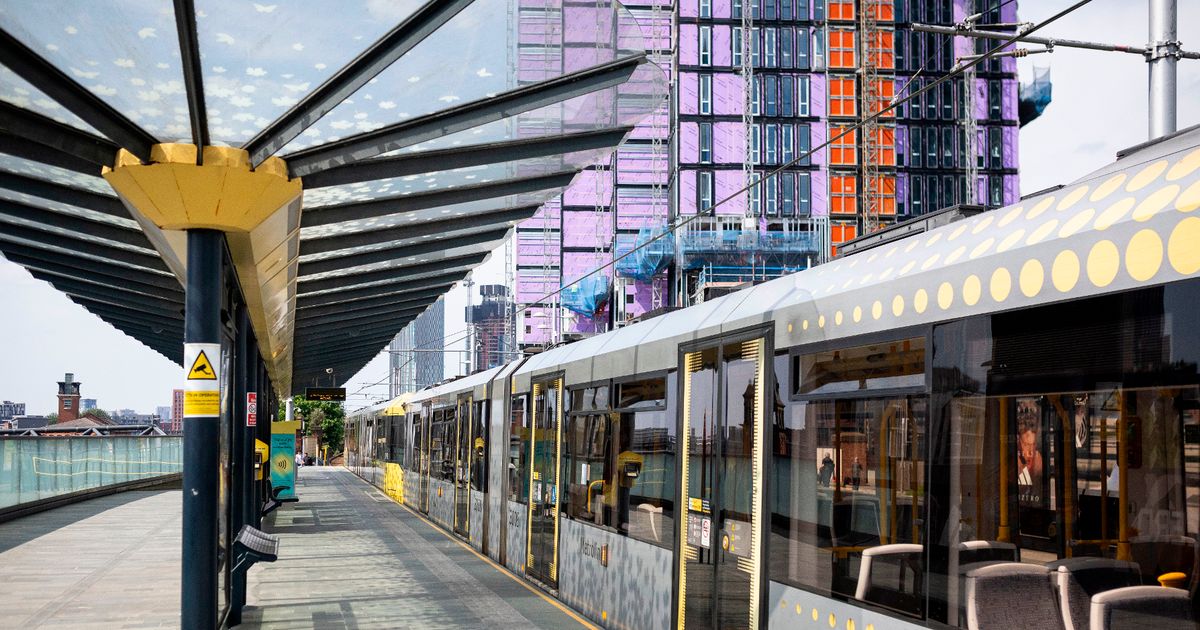
Metrolink(Image: Jake Lindley / Manchester Evening News)
A detailed feasibility study into plans to build a network of tunnels for Metrolink trams and trains to run through is to be carried out in a major step for underground public transport in Greater Manchester.
Transport bosses have agreed to commit £375,000 towards the plans. will be used to cover ‘early feasibility and demand studies’. Those documents, when compiled, would help shape and inform a formal business case for ‘tunnelled metro in Greater Manchester’, councillors were told.
The Greater Manchester Rapid Transit Strategy, a public transport blueprint launched in July 2024, includes a commitment to ‘explore tunnelled options to enable faster, more frequent and higher-capacity rapid transit services to, from and through the regional centre – working with the rail industry’.
Try MEN Premium NOW for just £1
Transport bosses believe Metrolink will have to go underground when capacity limits are reached.
A report by Chris Barnes, network director at Transport for Greater Manchester, read: “Tunnelled options are likely to be needed to avoid our existing surface transport infrastructure becoming a constraint to Greater Manchester’s social and economic development – to enable good growth.”
The funding commitment to study the possibility in greater detail comes after the chancellor, Rachel Reeves, said any plans would be considered by the Government.
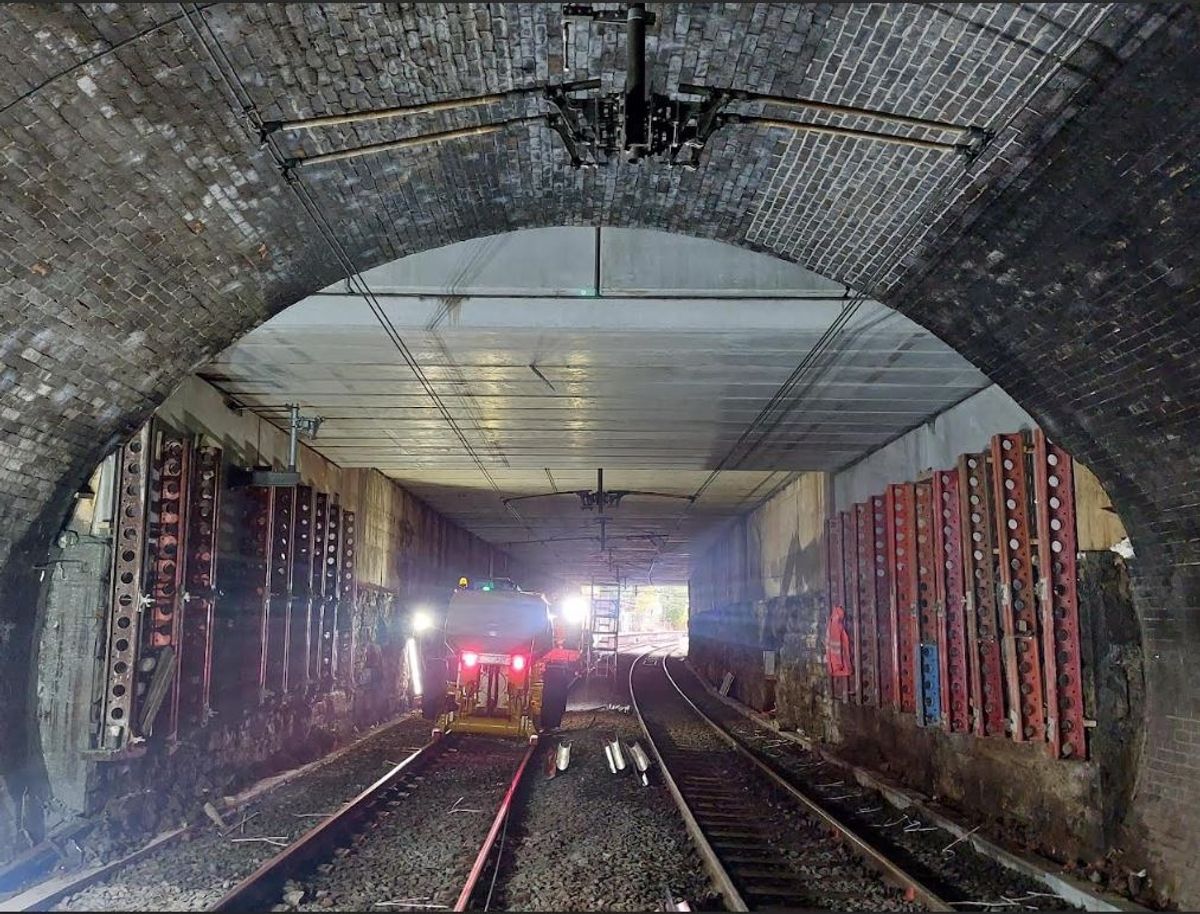
The Metrolink tunnel at Whitefield
The mayor of Greater Manchester, Andy Burnham, announced his intention to open three city centre tunnels for trains and trams last summer, hoping to open them by 2050. The project doesn’t have funding to start construction, but the latest move signals the start of initial preparatory work.
Mr Barnes’ report to the Bee Network Committee said ‘three main axes’ have been identified for further investigation, but ‘other options may arise and be considered’. One potential tunnel route – south-west to north-east axis – would align with ‘the longest serving and busiest Metrolink lines’ – the Bury and Altrincham lines.
“A Metrolink relief tunnel could roughly double the capacity of the network – allowing even longer vehicles and higher frequencies on the lines that use the new tunnel, and freeing up capacity on the remaining lines that continue to use the existing surface network in the city centre to run higher frequencies and new services,” Mr Barnes said.
Another identified tunnel route would align with the Castlefield Corridor and Salford Crescent to Piccadilly. “A National Rail relief tunnel could deliver high-frequency, high-capacity services using an approach similar to the Paris RER, the Munich S-Bahn and London’s Elizabeth line and Thameslink network,” added the report.
“In this instance, there are clearly significant interfaces with the existing National Rail network that need consideration, working closely with the rail industry.
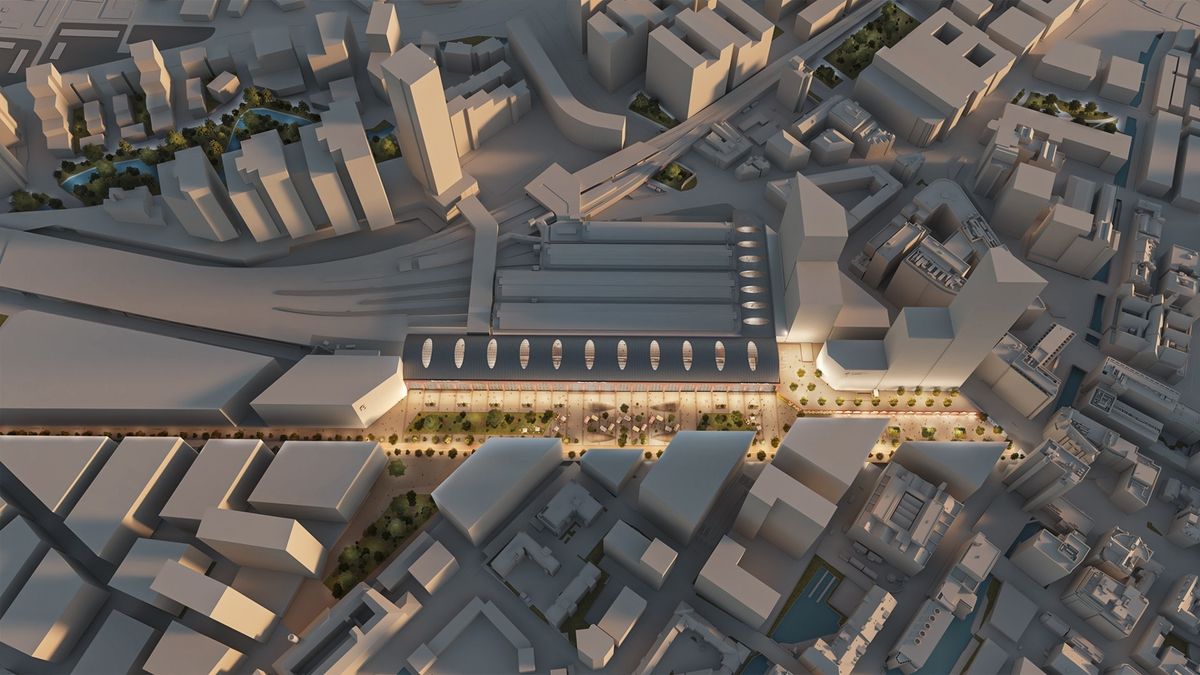
Artists impression of what an underground Manchester Piccadilly station could look like(Image: Copyright Unknown)
A third ‘north-south axis’ would serve Manchester Airport past hospitals and universities. “This axis, which would not directly incorporate any existing Metrolink or National Rail lines, could also be investigated for its potential as a wholly segregated underground metro,” added Mr Barnes in the report.
Mr Barnes told the committee the money would be used for ‘early feasibility work and demand studies’ to be carried out. “Our intention there, in terms of the tunnelled metro, is to work closely with the wider rail industry to explore tunnelled options to enable faster, more frequent and higher-capacity rapid transit services,” he said.
Bury councillor Alan Quinn questioned the existence of a map of possible tunnels. “I think it’s fantastic that when we reach capacity, we do what Greater Manchester does, we think outside the box,” he said. “We say alright, we’ve reached capacity overground we are now going to go underground.”
Martin Lax, Transport Strategy Director at TfGM, said: “It will be a bit of time before we have looked at those routes and finessed them down to ‘what does it look like on a map?’ The map would look like quite broad corridors at the moment, but the work should help us to get there.”
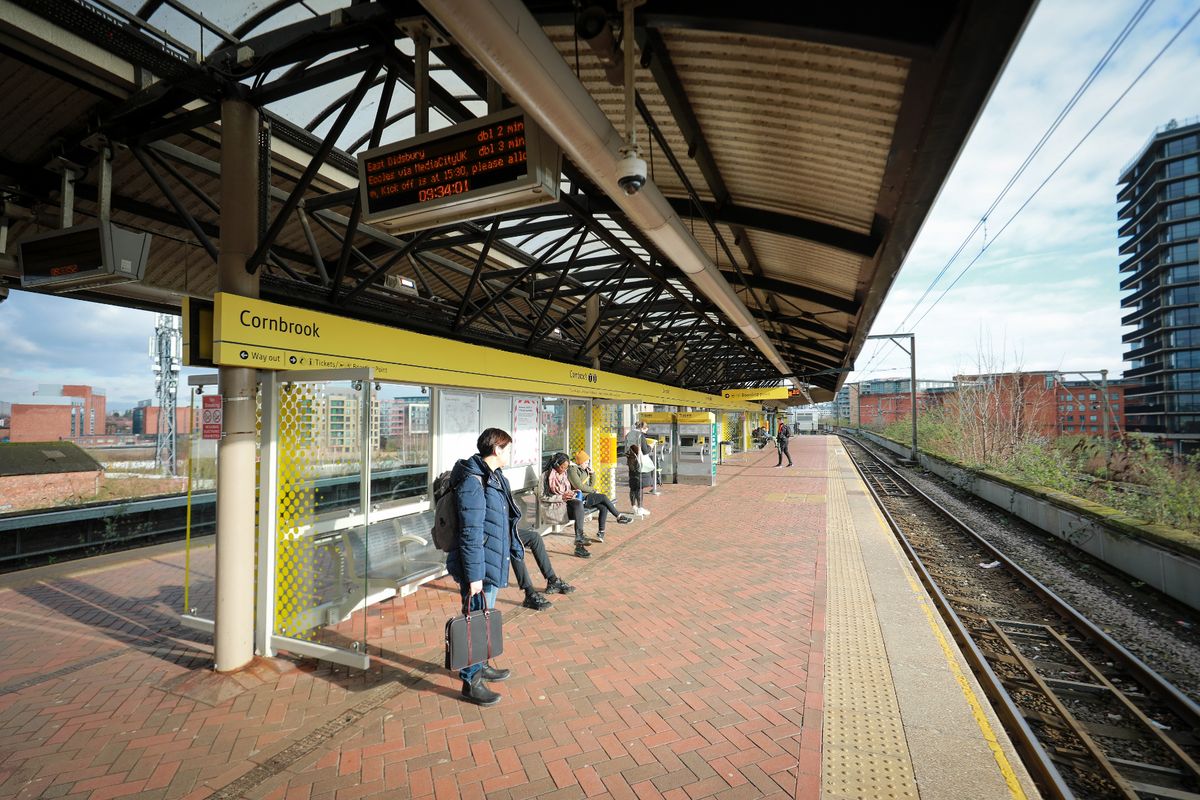
The plans have moved a step forward(Image: ASP)
Stockport councillor Grace Baynham welcomed the tunnel proposals and said: “It would be good to actually get plans that would work.
“In Stockport, we are quite ambitious about what we want the Metrolink to do, and I am sure other boroughs are too,” she said. “Getting that extra capacity in the town centre is going to be key to that. I think it will be necessary if not now, in 30 years from now, potentially even sooner than that.”
Mr Burnham’s subterranean plans were bolstered last month with the government’s Northern Powerhouse Rail announcement. Ministers have committed to constructing a Liverpool-Manchester railway line, and promised to analyse the economic benefits of an underground Piccadilly station, set to cost several billion pounds.
The three proposed tunnels are planned to run from a hub of an underground Piccadilly station, a proposal that would be seriously examined by the Government, Chancellor Ms Reeves said.